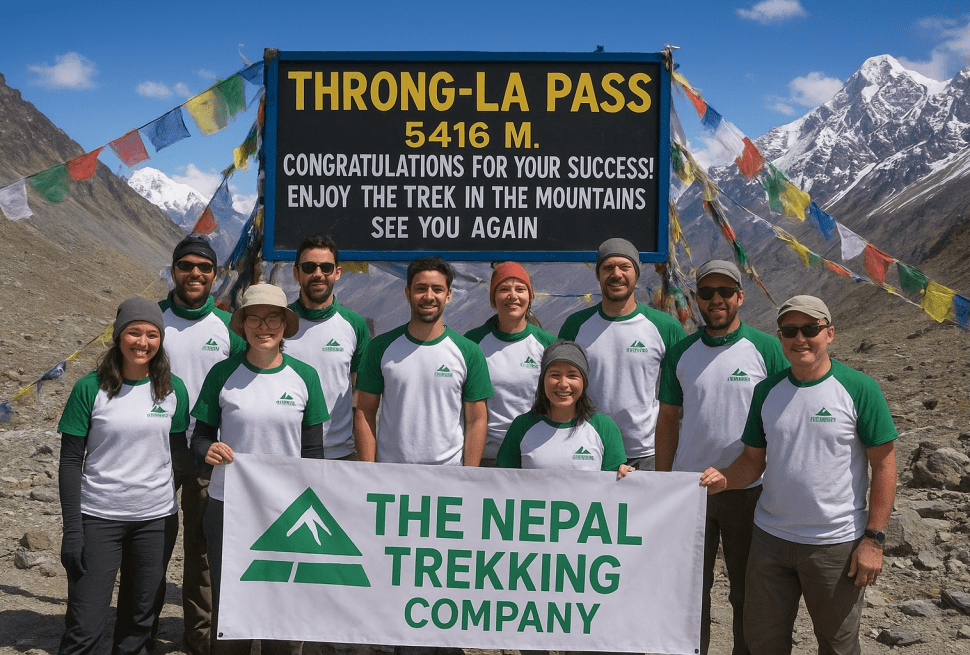

The Manaslu Base Camp Trek is one of Nepal’s most spectacular and least-crowded high-altitude adventures. While hundreds of trekkers queue at Everest Base Camp teahouses every autumn, a much smaller number push into the restricted Manaslu region — standing beneath the sheer 8,163-metre north face of the world’s eighth highest mountain and feeling like they have the Himalayas entirely to themselves.
This guide covers everything you need to plan the trek: the full route, a day-by-day itinerary, permit requirements, difficulty assessment, the best season, what to pack, and how much it will cost in 2026/2027. Whether you are combining it with the classic Manaslu Circuit Via Base Camp or treating the base camp as a standalone objective, this is the complete resource you need.
- What Is the Manaslu Base Camp Trek?
- Why Trek to Manaslu Base Camp: Key Highlights
- Day-by-Day Manaslu Base Camp Trek Itinerary
- Difficulty Level and Fitness Requirements
- Permits Required for Manaslu Base Camp Trek
- Best Season for Manaslu Base Camp Trek
- How Much Does the Manaslu Base Camp Trek Cost?
- Packing List for Manaslu Base Camp Trek
- Frequently Asked Questions
- How to Book

What Is the Manaslu Base Camp Trek?
The Manaslu Base Camp Trek is a high-altitude trekking route in the Gorkha District of western-central Nepal that leads trekkers to the foot of Mount Manaslu — the world’s eighth highest peak at 8,163 metres. The base camp itself sits at approximately 4,800 metres on the northern side of the mountain, reached after a journey through some of the most culturally intact Himalayan landscapes in all of Nepal.
Unlike Everest Base Camp or Annapurna Base Camp, Manaslu Base Camp sits inside a restricted trekking zone — meaning you need special permits, a licensed guide, and some advance planning. That restriction, however, is precisely what keeps the trails blissfully quiet and the teahouses genuinely local. On a typical day between Lho and Samagaon, you may encounter more yaks than trekkers.
The route is almost always combined with the Manaslu Circuit, creating an extraordinary loop that exits over the Larkya La Pass (5,160 m) and descends into the Annapurna region. This combination — circuit plus base camp — is widely regarded as one of the finest two-week treks in the entire Himalaya.
The Nepal Trekking Company offers a fully supported 16-day Manaslu Circuit Via Manaslu Base Camp package that includes licensed guides, porters, permits, and teahouse accommodation throughout.
Why Trek to Manaslu Base Camp: Key Highlights:
People choose the Manaslu base camp trek for many reasons, but these five stand out above all others:
1. Uncrowded Trails in a Restricted Zone.
The Manaslu region receives only a fraction of the trekkers that crowd the Everest and Annapurna circuits. According to Nepal Tourism Board data, the Manaslu circuit attracts fewer than 6,000 foreign trekkers per year compared to over 70,000 for Annapurna. If solitude and silence is what you are after, this is the place.
2. A Close-Up of the World’s 8th Highest Mountain.
The north face of Manaslu is one of the most dramatic Himalayan walls you will ever see from ground level. From Manaslu Base Camp at 4,800 m, the summit towers more than 3,300 metres directly above you — a perspective that photographs can barely capture. The view from the acclimatisation ridge above Samagaon is equally jaw-dropping.
3. Authentic Tibetan Buddhist Culture.
The villages along the Manaslu route — Lho, Sho, Samagaon, Samdo — are home to Nubri and Tsum communities whose culture, architecture, and religious practices are deeply rooted in Tibetan Buddhism. Ancient gompas, carved mani stones, and colourful prayer flags strung between cliffs create an atmosphere unlike anything on the more touristed routes.
4. The Larkya La Pass Crossing.
The circuit route crosses the Larkya La Pass at 5,160 metres — one of the most spectacular high-altitude crossings in Nepal. The descent from Larkya La into the Annapurna valley on a clear morning is an unforgettable end to the trek. You can also continue directly into the Annapurna Circuit from Dharapani if you want to extend your adventure.
5. Exceptional Biodiversity Inside the Conservation Area.
The Manaslu Conservation Area covers 1,663 square kilometres and protects snow leopards, red pandas, Himalayan blue sheep, and over 110 bird species. The lower sections of the trek pass through rhododendron and bamboo forest where wildlife sightings are genuinely common in the early morning.

Day-by-Day Manaslu Base Camp Trek Itinerary (16 Days).
The following itinerary covers the most popular version of the Manaslu base camp trek — beginning in Kathmandu, entering the restricted zone at Jagat, visiting the base camp from Samagaon, then exiting via the Larkya La Pass. Total trekking duration is 13 active days with built-in acclimatisation.
| Day | Route | Altitude | Trek Time |
|---|---|---|---|
| Day 1 | Arrive Kathmandu — permits & briefing | 1,400 m | — |
| Day 2 | Drive Kathmandu → Soti Khola (7–8 hrs) | 700 m | Drive |
| Day 3 | Soti Khola → Machha Khola | 869 m | 5–6 hrs |
| Day 4 | Machha Khola → Jagat | 1,340 m | 6–7 hrs |
| Day 5 | Jagat → Deng (restricted zone begins) | 1,860 m | 5–6 hrs |
| Day 6 | Deng → Namrung | 2,630 m | 5–6 hrs |
| Day 7 | Namrung → Lho (first Manaslu view) | 3,180 m | 4–5 hrs |
| Day 8 | Lho → Samagaon | 3,530 m | 4–5 hrs |
| Day 9 | ⭐ Acclimatisation + Trek to Manaslu Base Camp (4,800 m) | 4,800 m | 4–5 hrs |
| Day 10 | Rest & explore Manaslu Base Camp glacier area | 4,800 m | Leisure |
| Day 11 | Return Samagaon → Samdo | 3,875 m | 3–4 hrs |
| Day 12 | Acclimatisation day — Samdo hike | 3,875 m | Rest |
| Day 13 | Samdo → Dharamsala (Larkya Phedi) | 4,460 m | 3–4 hrs |
| Day 14 | ⭐ Cross Larkya La Pass (5,160 m) → Bhimthang | 5,160 m → 3,590 m | 8–9 hrs |
| Day 15 | Bhimthang → Dharapani → drive Kathmandu | 1,860 m | Trek + drive |
| Day 16 | Departure from Kathmandu | — | — |
Note: This itinerary can be extended to 18–20 days by adding a Tsum Valley detour before Samagaon. Ask us about our Manaslu Tsum Valley Trekking package if you want a more immersive cultural experience alongside the base camp.

Manaslu Base Camp Trek Difficulty Level and Fitness Requirements.
The Manaslu base camp trek is classified as a strenuous / challenging trek. It should not be underestimated, particularly for trekkers who have limited experience above 4,000 metres. Here is an honest breakdown of what the trail demands:
Elevation Profile.
You start close to sea level and reach a maximum of 5,160 m on Larkya La Pass, with Manaslu Base Camp sitting at 4,800 m. The altitude gain in the upper section is rapid — from Samagaon (3,530 m) to base camp (4,800 m) in a single day of trekking. This is why acclimatisation days at Samagaon and Samdo are non-negotiable and built into every responsible itinerary.
Daily Distances and Terrain.
Most trekking days cover 10–16 km with 4–7 hours of walking. The terrain varies from wide river-valley trails in the lower sections to narrow rocky paths, snow-covered slopes, and moraine above Samagaon. The Larkya La crossing on Day 14 begins at midnight or early morning (around 3–4 AM) to make the most of stable weather and is the single hardest day of the trek.
Who Should Do This Trek?
The Manaslu base camp trek is ideal for trekkers who have already completed at least one multi-day Himalayan trek (Annapurna Base Camp, Langtang Valley, or similar) and are comfortable at altitude. Age is not a barrier — we regularly guide trekkers in their 60s and 70s on this route — but cardiovascular fitness is essential.
Read our separate guide to altitude sickness prevention and treatment before you depart. Understanding acclimatisation is perhaps the single most important preparation step for this trek.
Permits Required for Manaslu Base Camp Trek 2026:
The Manaslu region is a restricted trekking area — one of only a handful left in Nepal. This means that independent trekking without a registered guide is not permitted, and all trekkers must carry multiple valid permits at all times. Checkpoints along the trail are active and strictly enforced.
There are three permits required for the Manaslu base camp trek:
1. Manaslu Conservation Area Permit (MCAP).
Issued by the Department of National Parks and Wildlife Conservation. Cost: NPR 3,000 per person (approximately USD 22). Valid for the full duration of your trek.
2. Manaslu Restricted Area Permit (MAPA).
This is the special restricted area permit specific to the Manaslu zone. Cost varies by season:
- September – November: USD 100 per person per week
- December – August: USD 75 per person per week
A minimum group size of two trekkers with a licensed guide is mandatory for this permit.
3. TIMS Card (Trekkers’ Information Management System).
Cost: USD 20 per person. Your licensed trekking company can arrange all three permits on your behalf in Kathmandu before departure. Learn more about Nepal’s permit system on the Trekking Agencies Association of Nepal (TAAN) website.
All permits are included when you book a guided trek through The Nepal Trekking Company’s Manaslu Base Camp package.

Best Season for the Manaslu Base Camp Trek.
The Manaslu region has two ideal trekking windows and two periods to avoid. Planning around these windows will dramatically affect your experience.
🟢 Spring (March–May) — Excellent.
March through May offers warm temperatures in the lower valleys, blooming rhododendrons below 3,500 m, and clear mornings with excellent mountain views. The trail is dry and well-defined. Larkya La Pass is fully open by late March. This is the best time for photography and for combining with a Tsum Valley extension.
🟢 Autumn (September–November) — Best Overall.
The post-monsoon months of September to November are considered the prime season for the Manaslu base camp trek. Skies are crystal clear after months of monsoon washing, temperatures are stable, and the mountain views from Samagaon and the base camp are at their most dramatic. October in particular is peak trekking season across Nepal. You can read more about seasonal planning in our complete guide to the best time to trek in Nepal.
🟡 Winter (December–February) — For Experienced Trekkers Only.
The Larkya La Pass can be dangerously icy and snowbound in deep winter. Teahouses reduce services significantly. Cold temperatures at base camp (can drop to –20°C at night) demand exceptional gear. Some highly experienced trekkers embrace the silence and solitude of winter trekking, but it is not recommended for first-timers on this route.
🔴 Monsoon (June–August) — Not Recommended.
Heavy rainfall between June and August brings landslide risk on the lower trail sections, leeches below 2,500 m, persistent cloud cover hiding the mountains, and wet conditions that make the higher trail sections genuinely hazardous. The Manaslu permit is available year-round but the monsoon window is avoided by almost all operators.
For a full breakdown of Nepal’s trekking seasons by region, see our Trekking Seasons in Nepal guide.
How Much Does the Manaslu Base Camp Trek Cost in 2026?
The total cost of a Manaslu base camp trek depends on whether you are booking a full guided package (recommended and required for this restricted zone) or arranging individual components yourself. Here is a realistic breakdown for 2026:
| Cost Component | Estimated Cost (USD) | Notes |
|---|---|---|
| Guided package (guide, porter, teahouse, transport) | USD 1,300–1,800 | Per person (group of 2+) |
| MAPA Permit (autumn peak season) | USD 100/week | Usually 2 weeks = USD 200 |
| MCAP Permit | ~USD 22 | One-time per trek |
| TIMS Card | USD 20 | Per person |
| Travel insurance (mandatory) | USD 80–150 | Must cover helicopter evacuation above 5,000 m |
| Nepal visa | USD 30–50 | 15-day or 30-day on arrival |
| Personal spending (extras, tips, drinks) | USD 15–25/day | Budget USD 300–400 total |
| Total (excluding flights to Kathmandu) | USD 1,900–2,700 | Per person, all-in |
The Nepal Trekking Company’s Manaslu Circuit Via Manaslu Base Camp 16-day package starts from USD 1,300 per person and includes licensed guide, porter, all teahouse accommodation, airport transfers, and all necessary permits. Contact our team for a detailed quote tailored to your group size and season.
Manaslu Base Camp Trek Packing List.
Packing correctly for the Manaslu base camp trek is critical. The temperature range across the 16-day trek is extreme — from 30°C in the lower river valleys to –10°C or below at base camp and Larkya La. A well-prepared kit bag makes the difference between suffering and enjoying high altitude. Below is a condensed essential list; a full gear guide can be found on our trekking equipment page.
According to the REI layering guide, a three-layer system (moisture-wicking base, insulating mid-layer, waterproof outer shell) is the standard approach for high-altitude variable conditions — and the Manaslu route is a perfect example of why.
Clothing.
- Moisture-wicking thermal base layer (top and bottom)
- Fleece or down mid-layer jacket
- Waterproof hardshell jacket and trousers
- Trekking trousers (x2) and convertible zip-offs for lower valleys
- Insulated down jacket (700-fill or higher for Larkya La and base camp)
- Warm hat, balaclava, and sun hat
- Liner gloves and waterproof over-mitts
- Woollen or thermal trekking socks (x4 pairs minimum)
- High-ankle waterproof trekking boots (broken in before departure)
- Camp sandals or lightweight shoes for teahouses
- Gaiters (essential for Larkya La crossing)
Gear
- Trekking poles (highly recommended — especially for the Larkya La descent)
- 60–70 litre main pack + 25–30 litre day pack
- Sleeping bag rated to –15°C (teahouses above 3,500 m can be extremely cold)
- Headlamp with spare batteries (essential for early Larkya La start)
- Sunglasses (UV400 or polarised — critical at high altitude)
- Water bottles (x2) and a UV steriliser or iodine tablets
- Blister kit, first aid supplies, and personal medications
- Diamox (acetazolamide) if prescribed — discuss with your GP before departure

Frequently Asked Questions — Manaslu Base Camp Trek.
How hard is the Manaslu Base Camp Trek?
The trek is graded strenuous. Daily walks last 5–7 hours over mixed terrain, and the maximum altitude (5,160 m at Larkya La Pass) can cause acute mountain sickness if acclimatisation protocols are not followed. It is not suitable for complete beginners, but experienced trekkers with good cardiovascular fitness handle it well with a properly paced itinerary.
Do I need a guide for the Manaslu Base Camp Trek?
Yes — it is a legal requirement. The Manaslu restricted area permit (MAPA) can only be obtained through a registered trekking company, and the regulations require a minimum group of two trekkers with one licensed guide. Solo trekking in the restricted zone is not permitted under any circumstances.
What is the altitude of Manaslu Base Camp?
Manaslu Base Camp sits at approximately 4,800 metres above sea level on the northern approach to the mountain. This is lower than Everest Base Camp (5,364 m) but still high enough that acclimatisation days at Samagaon (3,530 m) are essential before attempting the base camp hike.
Can I combine the Manaslu Base Camp Trek with the Annapurna Circuit?
Absolutely. The exit point of the Manaslu Circuit, Dharapani, is the same entry point for the Annapurna Circuit. It is entirely possible to transition directly from one to the other if you have enough time. Our team can arrange combined permits and logistics for both routes. Contact us via the inquiry form.
Is travel insurance required for the Manaslu Base Camp Trek?
Travel insurance is not legally mandatory but is absolutely essential in practice. You must carry insurance that covers helicopter evacuation above 5,000 m and emergency medical repatriation. Without this, a single helicopter rescue flight could cost USD 3,000–8,000 out of pocket. The World Nomads and SafeTravel policies are commonly used by trekkers on this route.
What is the difference between Manaslu Base Camp and the Manaslu Circuit?
The Manaslu Circuit is the full loop route that circumnavigates the Manaslu massif and exits via Larkya La Pass — a 14–17 day trek depending on itinerary. The Manaslu Base Camp is a specific destination (4,800 m) on the northern side of the mountain, accessed as a side trip from Samagaon village and typically added to the circuit rather than done as a standalone route.
Ready to Trek to Manaslu Base Camp?
The Manaslu base camp trek is one of Nepal’s great undiscovered adventures — a route that delivers world-class Himalayan scenery, authentic cultural immersion, and the profound satisfaction of standing beneath the world’s eighth highest mountain with almost no one else around.
The Nepal Trekking Company has been guiding trekkers through the Manaslu region for over a decade. Our guides are licensed by the Government of Nepal, all permits are arranged before departure, and our team is available 24/7 throughout your trek.
View our complete Manaslu Circuit Via Manaslu Base Camp (16 Days) package from USD 1,300 or explore our full range of Manaslu region treks. You can also send us an inquiry for a custom itinerary, private group quote, or any questions about permits and logistics.
🏔️ Book Your Manaslu Base Camp Trek
16 Days · From USD 1,300 per person · All permits included