

Nepal Trekking: Top 10 Himalayan Routes for Every Adventurer
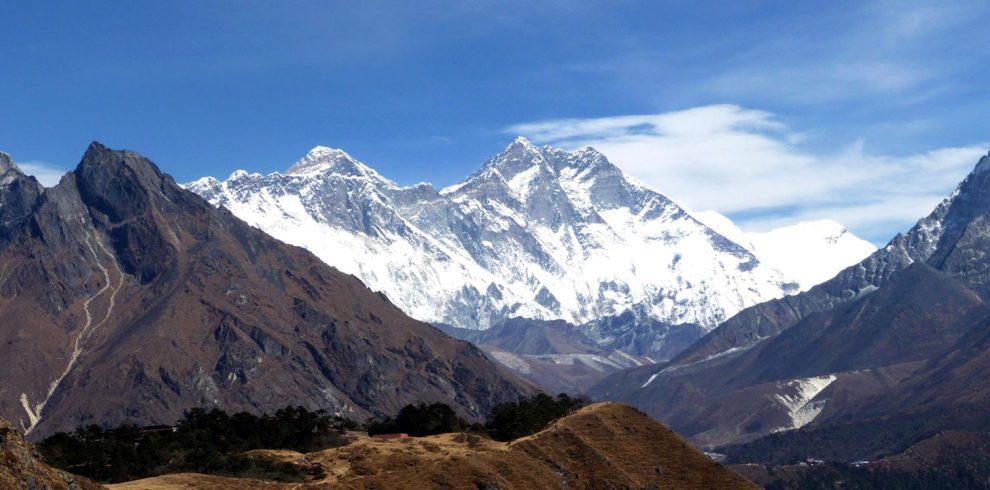
Nepal trekking is one of the greatest outdoor adventures on earth. The country is home to eight of the world’s ten highest peaks, including Mount Everest (8,848 m) — the roof of the world. Every trail in Nepal offers a unique combination of dramatic mountain scenery, ancient culture, and genuine Himalayan wilderness.
The Nepal Trekking Company has guided adventurers for over 15 years across every major trekking region in Nepal. Whether you are a first-time hiker or an experienced mountaineer, we match you with the perfect route, experienced guide, and complete support for a safe, unforgettable journey.
Why Nepal Trekking Is Unlike Anywhere Else on Earth
Nepal sits at the heart of the Himalayas, the world’s highest mountain range. No other country offers this combination of altitude, biodiversity, and living culture in a single trekking destination.
Nepal trekking gives you access to eight of the world’s 14 eight-thousanders. You walk through UNESCO World Heritage villages, ancient Buddhist monasteries, and remote high-altitude passes that few places on earth can match.
The Nepal Tourism Board reports that trekking is the single largest draw for international visitors to Nepal, with hundreds of thousands of trekkers visiting each year. The infrastructure — teahouse lodges, trained guides, and mountain rescue services — is the most developed in Asia.
Key reasons to choose Nepal trekking:
- Views of Everest, Annapurna, Dhaulagiri, Manaslu, and Lhotse
- Culturally rich trails through Sherpa, Tamang, Gurung, and Thakali communities
- Routes for every fitness level — 3-day walks to 21-day circuits
- Year-round trekking across diverse climate zones
- Affordable costs compared to other Himalayan destinations
Top 10 Nepal Trekking Routes in 2025
Here are the 10 best Nepal trekking routes, ranked by popularity and experience value.
1. Everest Base Camp Trek (12–14 Days)
The Everest Base Camp Trek is the most iconic Nepal trekking route in the world. The trail climbs through the Khumbu valley, past Namche Bazaar, Tengboche Monastery, and Dingboche to reach Base Camp at 5,364 m.
It is a moderate-to-hard trek best suited for fit hikers. The Everest Region trekking page has full itinerary details and pricing.
Highlights: Khumbu Icefall views, Sherpa culture, Kala Patthar sunrise (5,545 m) Best Season: March–May, September–November
2. Annapurna Base Camp Trek (10–13 Days)
The Annapurna Base Camp Trek leads deep into the Annapurna Sanctuary — a natural amphitheatre ringed by peaks above 7,000 m. The trail passes through rhododendron forests, Gurung villages, and hot springs at Jhinu Danda.
This is one of the most scenic and accessible Nepal trekking routes. See the full Annapurna Region trekking guide for details.
Highlights: 360° views from ABC (4,130 m), hot springs, Machhapuchhre Base Camp Best Season: March–May, October–November
3. Ghorepani Poon Hill Trek (5–7 Days)
Poon Hill (3,210 m) is the most popular short trek in Nepal for good reason. The sunrise panorama over Annapurna South, Dhaulagiri, and Machhapuchhre is one of the most photographed mountain views in the world.
This route is perfect for beginners and families new to Nepal trekking. Explore our Annapurna Region packages.
Highlights: Ghorepani village, Poon Hill sunrise, rhododendron forests in spring Best Season: October–April
4. Langtang Valley Trek (7–10 Days)
The Langtang Valley Trek is the closest major Nepal trekking route to Kathmandu — just 7–8 hours by road to the trailhead. The valley sits on the Tibetan border and has a strong Tamang Buddhist culture.
Visit our Langtang Region trekking page for current itineraries and group departures.
Highlights: Kyanjin Gompa, Langtang Lirung (7,227 m), yak pastures, local cheese factory Best Season: March–May, October–November
5. Manaslu Circuit Trek (14–18 Days)
The Manaslu Circuit is one of the most rewarding restricted-area Nepal treks. The route circumnavigates the world’s 8th highest mountain (8,163 m) through remote Tibetan-influenced villages and over the dramatic Larkya La Pass (5,160 m).
It requires a special restricted area permit. Read more on our Manaslu Region trekking page.
Highlights: Larkya La Pass, Tibetan Buddhism, pristine wilderness, fewer crowds Best Season: September–November, March–May
Upper Mustang Trek (14–16 Days)
Upper Mustang is Nepal’s last Forbidden Kingdom — a high-altitude desert landscape with ancient Tibetan Buddhist cave monasteries and walled villages virtually unchanged for centuries.
This restricted-area Nepal trekking route requires a special USD 500 permit. Discover full details on the Mustang Region trekking page.
Highlights: Lo Manthang walled city, ancient cave monasteries, Jhong caves, dramatic desert scenery Best Season: May–October (ideal during monsoon when rain shadow keeps it dry)
[H3] 7. Gokyo Lake Trek (12–15 Days)
Gokyo Lake sits at 4,700 m and is considered one of the world’s highest freshwater lake systems. The trek passes through the Gokyo Valley, offering stunning views of Everest, Lhotse, Makalu, and Cho Oyu from Gokyo Ri (5,357 m).
This is an excellent alternative to the classic Everest Base Camp route. Browse Everest Region trekking options.
Highlights: Gokyo Ri panorama, Ngozumpa Glacier, turquoise lakes, fewer crowds than EBC Best Season: March–May, October–November
8. Everest Three Passes Trek (18–21 Days)
The Three Passes Trek is the most challenging classic Nepal trekking circuit. It crosses three high passes — Kongma La (5,535 m), Cho La (5,420 m), and Renjo La (5,360 m) — and combines the Gokyo Valley and Everest Base Camp in one grand loop.
Only experienced trekkers with prior high-altitude experience should attempt this route. See our full Everest Region itinerary.
Highlights: Three 5,000 m+ passes, EBC, Gokyo Ri, best overall Khumbu experience Best Season: April–May, October
9. Kanchenjunga Trek (18–24 Days)
The Kanchenjunga region offers the most remote and pristine Nepal trekking experience. The route reaches Base Camps on both the north and south faces of the world’s third-highest peak (8,586 m).
Few trekkers make it here — which is exactly the appeal. Read more about the Kanchenjunga Region.
Highlights: Untouched wilderness, rare wildlife, traditional Limbu and Rai culture, dual base camps Best Season: March–May, October–November
10. Dolpo Trek (18–28 Days)
Dolpo is Nepal’s most remote trekking region and the highest inhabited plateau in the world. The landscape resembles Tibet more than Nepal — a stark, spiritual, and profoundly quiet wilderness.
The Shey Phoksundo Lake (3,611 m) is one of Nepal’s most beautiful natural features. Explore Dolpa Region trekking for permit and itinerary details.
Highlights: Shey Phoksundo Lake, Tibetan Buddhist culture, Snow Leopard habitat, true wilderness Best Season: May–October
Best Seasons for Nepal Trekking
Choosing the right season is the most important planning decision for any Nepal trekking trip.
Spring (March – May): The best overall season. Rhododendrons bloom, skies are clear, and temperatures on the trail are comfortable. This is also Everest climbing season.
Autumn (September – November): The most popular Nepal trekking season. Post-monsoon skies are crystal clear, offering the sharpest mountain views of the year. October is the peak month.
Winter (December – February): Cold at altitude, but quieter trails and clear skies. Lower routes like Poon Hill and Langtang Valley remain fully accessible.
Monsoon (June – August): Lush and green on lower trails. The best time for rain-shadow regions — Upper Mustang, Dolpo, and Nar Phu Valley stay dry while the rest of Nepal receives heavy rainfall.
According to Himalayan trekking season data from the Nepal Tourism Board, autumn and spring together account for over 70% of all annual trekking permit issuances in Nepal.
[H2] Nepal Trekking Permits and Entry Fees
Every international trekker in Nepal must carry valid permits. The Nepal Trekking Company arranges all permits on your behalf as part of every package.
Standard permits required:
- TIMS Card (Trekkers’ Information Management System) — required for most open trekking areas
- ACAP Permit — Annapurna Conservation Area, USD 30
- SAGARMATHA Permit — Everest/Khumbu region, NPR 3,000
- National Park Entry — Langtang, Shey-Phoksundo, and others
Restricted area permits (additional):
- Upper Mustang — USD 500 per 10 days
- Manaslu — USD 70–100 per week (seasonal)
- Dolpo — USD 500–1,000 depending on zone
- Nar Phu Valley — USD 90 per week
You can find the full current fee structure on the Nepal Department of Immigration official website.
Nepal Trekking Fitness Levels & Who Can Trek
Nepal trekking is accessible to a wider range of people than many assume.
Easy (1–5 days): Ghorepani Poon Hill, Nagarkot Day Hike, Sarangkot. Suitable for beginners, families with older children, and older travellers. Our Family Holiday in Nepal packages are designed for this level.
Moderate (7–14 days): Everest Base Camp, Annapurna Base Camp, Langtang Valley. Requires regular fitness — the ability to walk 5–7 hours daily on uneven terrain.
Challenging (14–21 days): Manaslu Circuit, Kanchenjunga, Three Passes. For experienced trekkers comfortable at altitude above 5,000 m.
Peak Climbing: Mera Peak (6,476 m), Island Peak (6,189 m), and Pisang Peak (6,091 m) are suited to mountaineers seeking a technical summit experience.
We recommend at least 4–6 weeks of regular hiking and cardio training before any Nepal trekking trip above 4,000 m.
What to Pack for Nepal Trekking
Packing the right gear makes a substantial difference to comfort and safety on Nepal trekking routes.
Clothing: Moisture-wicking base layers, fleece mid-layer, down jacket (essential above 3,500 m), waterproof shell jacket, trekking trousers, warm hat, gloves, and merino wool socks.
Footwear: Waterproof, ankle-supporting trekking boots that are fully broken in before departure. Bring lightweight camp shoes or sandals for evenings at teahouses.
Gear: Trekking poles, a 35–45 litre daypack, a sleeping bag rated to -10°C, a headlamp with spare batteries, and a water purification system (filter bottle or tablets).
Health: Basic first aid kit, blister treatment, altitude sickness medication (Diamox — consult your doctor beforehand), rehydration salts, and sunscreen (SPF 50+ — UV is intense at altitude).
Read our comprehensive Trekking Equipment checklist for the full packing list by route and season.
Nepal Trekking Cost: What to Budget in 2025
Nepal trekking is one of the most affordable high-altitude adventure experiences in the world.
Budget estimate per person (guide, permits, teahouse accommodation, meals):
| Trek | Duration | Approx. Cost (USD) |
|---|---|---|
| Poon Hill Trek | 5–7 days | $450 – $650 |
| Langtang Valley | 7–10 days | $550 – $800 |
| Annapurna Base Camp | 10–13 days | $750 – $1,100 |
| Everest Base Camp | 12–14 days | $900 – $1,400 |
| Manaslu Circuit | 14–18 days | $1,200 – $1,800 |
| Upper Mustang | 14–16 days | $1,800 – $2,500 |
All Nepal Trekking Company packages include guide fees, porter fees, all trekking permits, accommodation on trail, and all meals during the trek. Kathmandu hotel and international flights are separate.
Contact us via the online booking form or email for a custom quote based on your group size and preferred dates.
Nepal Trekking Health & Safety
Altitude sickness (Acute Mountain Sickness — AMS) is the most important health consideration for Nepal trekking above 3,000 m.
Preventing AMS: Ascend slowly. Follow the “climb high, sleep low” principle. Drink 3–4 litres of water daily. Avoid alcohol for the first few days at altitude.
Recognising AMS: Headache, nausea, fatigue, dizziness, and loss of appetite are early signs. If symptoms worsen, descend immediately. Our guides are trained in Wilderness First Aid and carry supplemental oxygen on all high-altitude treks.
Travel Insurance: Helicopter evacuation coverage is mandatory for all our Nepal trekking clients. Medical facilities at altitude are limited and helicopter rescue from above 4,000 m typically costs USD 3,000–6,000 without insurance. See our Travel Insurance guidance page for recommended providers.
[H2] Why Trek with The Nepal Trekking Company?
The Nepal Trekking Company is a government-registered, licensed trekking agency based in Thamel, Kathmandu.
We have operated Nepal trekking experiences for over 15 years, guiding thousands of international trekkers from over 60 countries. Our team holds deep personal knowledge of every route — many of our guides grew up in the very villages the trails pass through.
What makes us different:
- Certified guides with Wilderness First Aid training
- Small private groups — you are never a number in a crowd
- All-inclusive transparent pricing — no hidden costs
- Eco-responsible approach: Leave No Trace, fair porter wages, local suppliers
- 24/7 emergency support throughout your trek
- Fully customisable itineraries for your fitness level and timeline
Read about our full team background on the About Us and Why Us pages, or check our licensing and credentials at the Legal Documents page.
[H2] Frequently Asked Questions About Nepal Trekking
Do I need prior experience for Nepal trekking? No prior mountaineering experience is needed for most popular routes. Routes like Poon Hill and Langtang Valley are accessible to anyone with general fitness. Everest Base Camp and Annapurna Base Camp suit fit beginners with good preparation. Technical peak climbs require prior high-altitude experience.
Is Nepal trekking safe for solo travellers? Solo trekking is permitted on most open routes. However, solo trekking in restricted areas (Mustang, Manaslu, Dolpo) requires a licensed guide by law. We strongly recommend a guide for all routes — for safety, navigation, and local cultural knowledge.
How do I get to the start of Nepal trekking trails? Most treks begin with a flight or road journey from Kathmandu. Everest treks begin with a scenic flight to Lukla (35 min). Annapurna and Langtang treks are accessible by road from Kathmandu or Pokhara. We arrange all transport as part of our packages.
Can I combine Nepal trekking with other activities? Absolutely. Many trekkers combine Nepal trekking with a Chitwan Jungle Safari, cultural tours in Kathmandu, or Pokhara lake activities. See our Kathmandu Pokhara Chitwan Tour for a popular combination itinerary.
What is the minimum age for Nepal trekking? There is no official minimum age, but we recommend children be at least 8–10 years old for moderate treks. Younger children are welcome on shorter, lower-altitude routes. Our Family Holiday in Nepal packages are specifically designed for families with children.
Book Your Nepal Trekking Adventure Today
The Himalayas are calling. The Nepal Trekking Company is ready to make your Nepal trekking dream a reality — from your first enquiry to your safe return to Kathmandu.
Get in touch with our team:
- 📞 +977 9841 812218 / 01-5319082 (WhatsApp & Viber welcome)
- ✉️ info@thenepaltrekkingcompany.com
- 📍 Chetrapati Chowk, Thamel, Kathmandu, Nepal
- 🕐 Open 6 AM – 6 PM, 7 days a week
Use our online enquiry form to send your preferred dates, group size, and desired route. We respond within 24 hours with a personalised itinerary and quote.