Complete Altitude Sickness Guide: Symptoms, Prevention & Treatment
Everything trekkers, climbers, and high-altitude travelers need to know — from recognizing early warning signs to life-saving descent decisions.
- What Is Altitude Sickness?
- Causes and Risk Factors
- Types: AMS, HACE, and HAPE
- Symptoms by Severity
- Diagnosis and the Lake Louise Score
- Prevention: The Golden Rules
- Acclimatization Schedule & Timeline
- Treatment Options
- Medications: Diamox & More
- When to Descend Immediately
- Do’s and Don’ts at High Altitude
- Frequently Asked Questions
Whether you are planning a trek to Everest Base Camp, climbing Kilimanjaro, or visiting high-altitude cities like La Paz or Lhasa — understanding altitude sickness is not optional. It is essential.
Altitude sickness affects millions of travelers every year, regardless of age, fitness level, or prior mountain experience. Even elite mountaineers are not immune. The good news? With the right knowledge, proper planning, and early recognition of symptoms, altitude sickness is largely preventable — and always manageable.
This complete altitude sickness guide covers everything you need: what causes it, how to recognize it at every stage, evidence-based prevention strategies, acclimatization schedules, treatment protocols, and the critical warning signs that demand immediate descent.
What Is Altitude Sickness?
Altitude sickness — medically known as Acute Mountain Sickness (AMS) — is a pathological condition caused by exposure to low oxygen levels (hypoxia) at high elevations. The condition occurs when you ascend too rapidly for your body to adapt to the reduced air pressure and decreased oxygen availability.
At sea level, the air you breathe contains approximately 21% oxygen at a pressure of 760 mmHg. As you ascend, the percentage of oxygen remains the same, but the atmospheric pressure drops, meaning each breath delivers fewer oxygen molecules to your lungs.
At 3,500 metres (11,500 feet), you receive roughly 65% of the oxygen available at sea level. At 5,500 metres (18,000 feet), that drops to just 50%. Your body — especially your brain — is acutely sensitive to this reduction.
Altitude sickness is not a sign of weakness. It is a physiological response to hypoxia that can affect anyone — regardless of fitness, age, or prior altitude experience. The World Health Organization recognizes it as a serious travel health concern.

Causes and Risk Factors
The primary cause of altitude sickness is ascending too fast. Your body needs time to produce more red blood cells, increase breathing rate, and make other physiological adjustments to compensate for reduced oxygen.
However, several risk factors increase your susceptibility to altitude sickness:
The #1 risk factor. Climbing too fast prevents acclimatization.
Flying directly to cities above 3,000m like Cusco or Lhasa is high risk.
Prior altitude sickness is the strongest predictor of future episodes.
Pushing too hard on the first day dramatically worsens symptoms.
Even mild dehydration worsens headaches and altitude sickness symptoms.
Both suppress breathing, worsening hypoxia during sleep.
Interestingly, physical fitness does not protect against altitude sickness. In fact, very fit athletes sometimes ascend too rapidly, increasing their risk. Genetics play a role, but there is no reliable way to predict your susceptibility without prior altitude exposure.
Types of Altitude Sickness: AMS, HACE, and HAPE
Altitude sickness exists on a spectrum. Understanding the three distinct types is critical because HACE and HAPE are life-threatening emergencies that require immediate action.
1. Acute Mountain Sickness (AMS)
AMS is the mildest and most common form of altitude sickness. It typically begins 6–12 hours after reaching a high altitude and resolves with rest, hydration, and acclimatization — provided you do not ascend further.
2. High Altitude Cerebral Edema (HACE)
HACE is a severe, life-threatening condition where the brain swells due to fluid accumulation. It is considered the end-stage of AMS. Without prompt treatment and descent, HACE can cause coma and death within hours.
3. High Altitude Pulmonary Edema (HAPE)
HAPE occurs when fluid builds up in the lungs, severely impairing the ability to breathe. It is the most common cause of death from altitude sickness. HAPE can develop without prior AMS symptoms and may worsen rapidly during sleep.
Both HACE and HAPE require immediate descent of at least 300–1,000 metres. Do not wait for morning. Do not hope symptoms improve. Descend now and seek emergency medical care immediately.
Altitude Sickness Symptoms by Severity
Recognizing altitude sickness symptoms early is the most effective way to prevent the condition from escalating into a dangerous emergency. Here is a comprehensive breakdown by severity level:
| Severity | Type | Symptoms | Action Required |
|---|---|---|---|
| Mild | AMS | Headache, fatigue, loss of appetite, mild nausea, dizziness, disturbed sleep | Stop ascending. Rest. Hydrate. Take Ibuprofen for headache. Monitor closely. |
| Moderate | AMS | Severe headache unresponsive to painkillers, vomiting, extreme fatigue, shortness of breath at rest, decreased coordination | Do NOT ascend. Consider descent of 300–500m. Take Diamox. Seek medical advice. |
| Severe | HACE | Confusion, loss of coordination (ataxia), altered consciousness, severe headache, hallucinations, inability to walk straight | IMMEDIATE DESCENT. Administer Dexamethasone. Use Gamow bag if available. Emergency evacuation. |
| Critical | HAPE | Extreme breathlessness at rest, gurgling/crackling breath sounds, pink frothy sputum, blue lips or fingertips, chest tightness | IMMEDIATE DESCENT. Administer Nifedipine. Supplemental oxygen. Emergency medical care urgently. |
The “walk the line” test is a simple field check for HACE: ask the person to walk heel-to-toe in a straight line. Stumbling or inability to do so is a serious red flag requiring immediate descent.
Diagnosis and the Lake Louise Score
In clinical and field settings, altitude sickness is often assessed using the Lake Louise Scoring System — a standardized questionnaire developed at a consensus conference in Lake Louise, Canada.
The score evaluates five symptoms: headache, gastrointestinal symptoms, fatigue/weakness, dizziness/lightheadedness, and difficulty sleeping. Each is scored 0–3. A total score of 3 or more in the presence of headache indicates AMS.
You do not need a doctor to assess altitude sickness. The Lake Louise Score can be self-administered. Many trek operators and guides are trained to use it. Download a free Lake Louise Score calculator here.
Prevention: The Golden Rules of Altitude Safety
The most effective treatment for altitude sickness is prevention. Follow these evidence-based golden rules to dramatically reduce your risk:
Acclimatization Schedule & Timeline
Acclimatization is the process by which your body physiologically adapts to reduced oxygen at altitude. Key adaptations include increased breathing rate, elevated heart rate, production of more red blood cells (via erythropoiesis), and increased 2,3-DPG levels in blood cells to improve oxygen release to tissues.
Here is a sample safe acclimatization timeline for trekking to Everest Base Camp (5,364m) — one of the world’s most popular high-altitude treks:
Many altitude sickness fatalities occur because trekkers skip acclimatization days to save time or money. Rest days are not optional — they are the foundation of your safety on the mountain.
Treatment Options for Altitude Sickness
Treatment of altitude sickness depends entirely on the severity of the condition. Here is a structured approach:
For Mild AMS
Stop ascending immediately. Rest at your current altitude for 24–48 hours. Stay well-hydrated. Take Ibuprofen (600mg) or Paracetamol for headache. Avoid alcohol and sedatives. Most mild altitude sickness resolves on its own with adequate rest.
For Moderate AMS
Consider descent of 300–500 metres. Begin Acetazolamide (Diamox) if not already taking it. Use supplemental oxygen if available. Monitor symptoms every 2–4 hours. Do not ascend until symptom-free for 24 hours.
For Severe HACE
Descend immediately — minimum 1,000 metres or to below 2,400m. Administer Dexamethasone 8mg immediately, then 4mg every 6 hours. Use a Gamow bag (portable hyperbaric chamber) if descent is delayed. Supplemental oxygen at 2–4 litres per minute. Emergency evacuation by helicopter if available.
For HAPE
Descend immediately. Administer Nifedipine 30mg extended-release or 10mg immediate-release followed by 30mg extended-release. Supplemental oxygen is critical. Avoid exertion during descent — use a stretcher or helicopter if possible. Seek hospital care urgently.
Medications for Altitude Sickness
Several medications are used both to prevent and treat altitude sickness. Always consult a doctor before taking any medication for altitude purposes, as individual responses vary significantly.
| Medication | Use | Dose | Side Effects |
|---|---|---|---|
| Acetazolamide (Diamox) | Prevention & mild AMS treatment | 125–250mg twice daily, starting 1–2 days before ascent | Increased urination, tingling hands/feet, altered taste of carbonated drinks |
| Dexamethasone | HACE emergency treatment | 8mg initial, then 4mg every 6 hours | Not for prophylaxis. Rebound worsening if stopped abruptly. |
| Nifedipine | HAPE prevention & treatment | 30mg extended-release once daily | Low blood pressure, dizziness, flushing |
| Ibuprofen | Headache relief in mild AMS | 600mg every 8 hours | GI upset; take with food. Avoid if kidney issues present. |
| Sildenafil (Viagra) | HAPE prevention in high-risk individuals | 50mg every 8 hours | Headache, flushing. Not routinely recommended. |
Acetazolamide (Diamox) is a sulfonamide drug. People with a sulfa allergy should NOT take it. Discuss alternatives like Dexamethasone prophylaxis with your doctor. Read more at CDC Yellow Book — Altitude Illness.

When to Descend Immediately
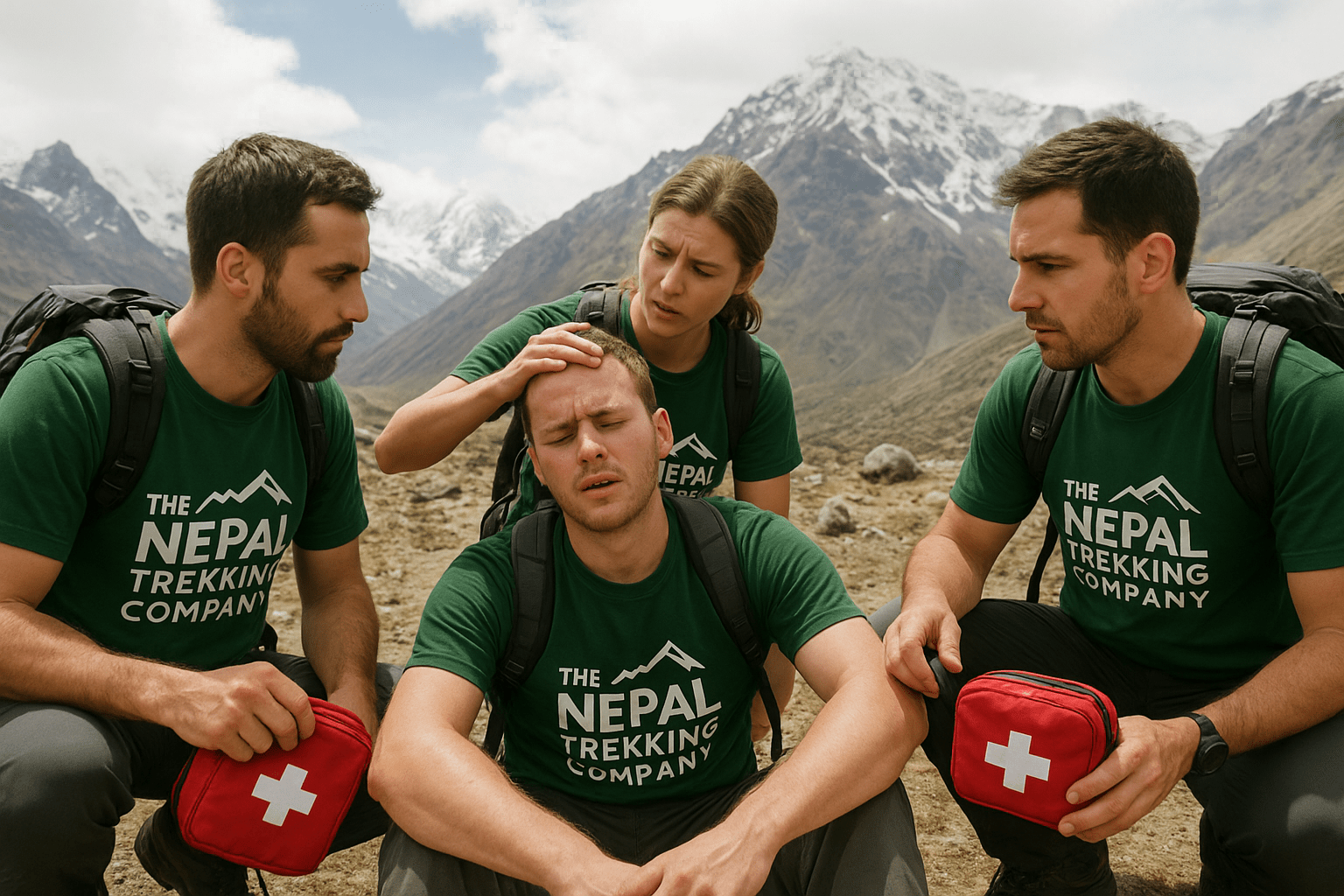
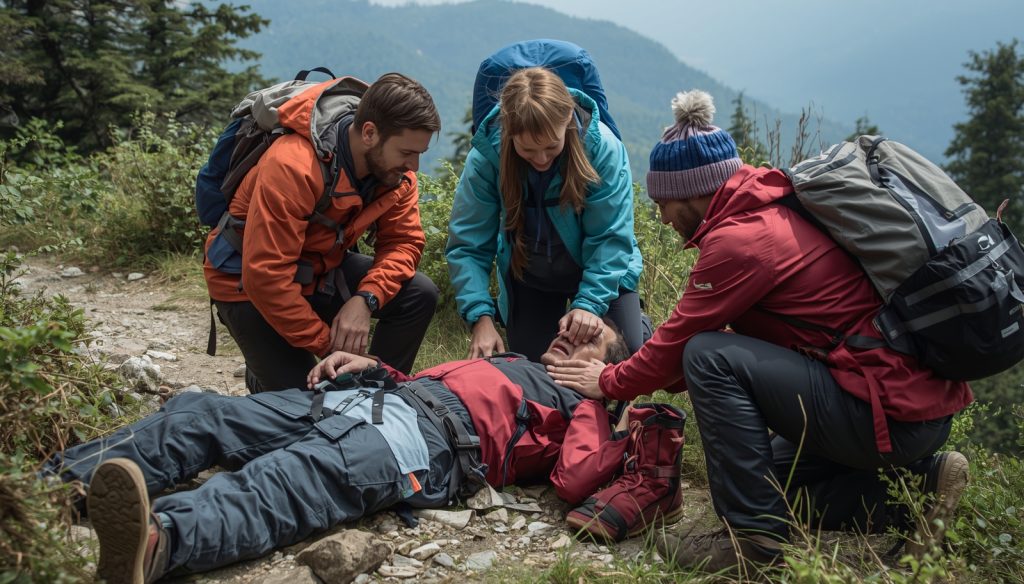
The decision to descend is the most critical decision you may make on a mountain. The following symptoms demand immediate descent — no waiting, no sleeping it off, no hoping for improvement:
Cannot walk in a straight line. A hallmark sign of HACE.
Confusion, disorientation, unusual behaviour, or drowsiness.
Cannot breathe normally while sitting still. Classic HAPE warning sign.
Blood-tinged frothy cough indicates fluid in the lungs. Descend instantly.
Blue or grey lips, fingernails, or skin — severe oxygen deprivation.
Any loss of consciousness at altitude is a critical emergency.
Remember: descent is the definitive treatment. Even descending 300 metres can produce a dramatic, life-saving improvement in symptoms. A Gamow bag or supplemental oxygen can buy time, but they are never substitutes for descent.
Do’s and Don’ts at High Altitude
- Ascend slowly — max 500m/day above 3,000m
- Take a rest day every 3 days
- Drink 3–4 litres of water daily
- Eat carbohydrate-rich meals
- Report any symptoms to your guide immediately
- Carry a pulse oximeter to monitor SpO₂
- Know the location of nearest medical facility
- Purchase comprehensive travel insurance with evacuation cover
- Carry an emergency supply of Dexamethasone and Nifedipine
- Learn basic altitude illness recognition
- Ascend with AMS symptoms — ever
- Drink alcohol in the first 48 hours at altitude
- Take sleeping pills or sedatives (suppress breathing)
- Skip rest/acclimatization days to save time
- Ignore headache, nausea or dizziness
- Smoke cigarettes — worsens hypoxia significantly
- Overexert yourself on day 1
- Wait for symptoms to improve before descending HACE/HAPE
- Go alone on remote high-altitude routes
- Assume fitness protects you from altitude sickness
Altitude Sickness in Popular Trekking Destinations
Altitude sickness is particularly relevant for trekkers in Nepal’s Himalayas, Peru’s Andes, and East Africa’s volcanic peaks. Understanding destination-specific risks can help you plan more safely.
Nepal (Everest Base Camp, Annapurna Circuit)
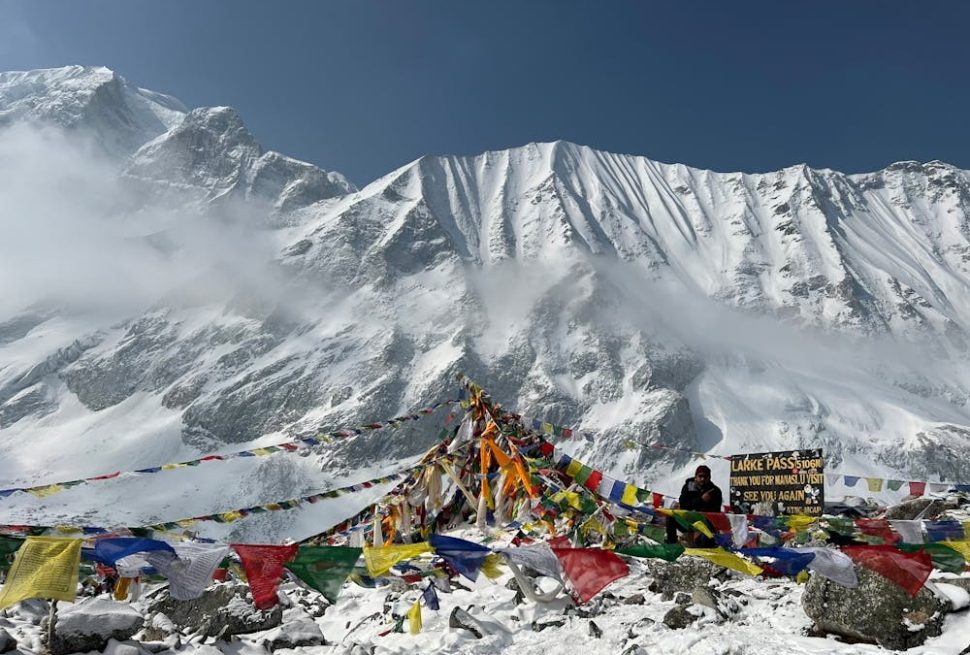
Nepal’s high-altitude treks are among the world’s most iconic — and most dangerous for altitude sickness. Everest Base Camp reaches 5,364m, while the Thorong La Pass on the Annapurna Circuit crests at 5,416m. Both require 2+ weeks of gradual acclimatization. For comprehensive information, visit Nepal Tourism Board. You can also read our internal guide on Everest Base Camp Trekking: Complete Preparation Guide for detailed advice.
Peru (Machu Picchu, Cusco, Rainbow Mountain)
Cusco sits at 3,400m — and many tourists fly directly from sea level, arriving with immediate altitude sickness symptoms. Spend 1–2 days in Cusco before visiting Machu Picchu (2,430m), which is lower and safer for acclimatization. Rainbow Mountain (Vinicunca) at 5,200m should only be visited after several days of acclimatization in the region.
Tanzania (Mount Kilimanjaro)
Kilimanjaro rises to 5,895m and is frequently climbed by non-mountaineers who underestimate altitude risks. Studies show that up to 75% of climbers on rapid routes experience AMS. The 7-day Lemosho route significantly improves acclimatization compared to the 5-day Marangu route. Consult The Altitude Medicine Initiative for up-to-date research on Kilimanjaro-specific altitude risk.
🏔️ Key Takeaways: Complete Altitude Sickness Guide
- Altitude sickness affects anyone above 2,500m — fitness does not protect you.
- The three types are AMS (mild), HACE (brain swelling), and HAPE (lung fluid) — only AMS is non-emergency.
- Ascend slowly: no more than 500m/day in sleeping altitude above 3,000m.
- Hydration, rest days, and recognizing symptoms early are your best prevention tools.
- Diamox (Acetazolamide) significantly reduces AMS risk when started 1–2 days before ascent.
- HACE and HAPE are medical emergencies requiring immediate descent — never delay.
- Always carry travel insurance with helicopter evacuation coverage on high-altitude treks.
- Pulse oximeters are inexpensive, lightweight, and invaluable tools for monitoring altitude safety.
Frequently Asked Questions About Altitude Sickness
Final Thoughts
Altitude sickness is one of the most misunderstood and underestimated risks in high-altitude travel. It does not discriminate by age, fitness level, or experience. But it is also one of the most preventable conditions in adventure medicine — when you take the right precautions.
The key lessons are simple: ascend slowly, stay hydrated, never ascend with symptoms, and always be prepared to descend. Carry the right medications, know the warning signs of HACE and HAPE, and invest in comprehensive travel insurance with helicopter evacuation.
Mountains are magnificent, but they demand respect. Follow this complete altitude sickness guide, listen to your body, and your high-altitude adventure will be one of the most rewarding experiences of your life — safely completed and unforgettable for all the right reasons.
For further reading, visit the Wilderness & Environmental Medicine Journal for the latest clinical guidelines on altitude illness management.