
Table of Contents:
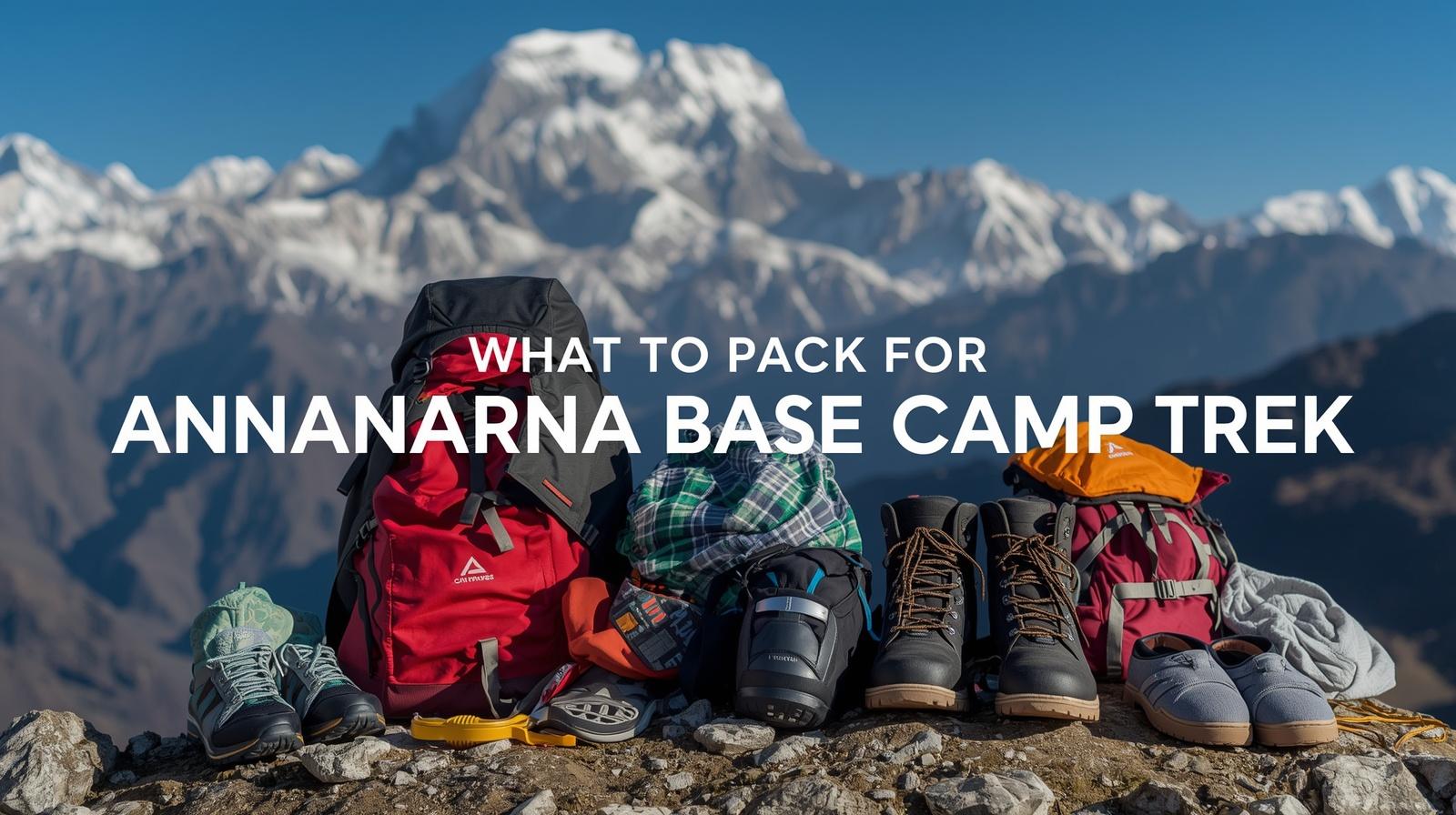
What To Pack For Annapurna Base Camp? Packing the right gear can make the difference between an unforgettable adventure and a difficult experience.
The Annapurna Base Camp (ABC) trek reaches an altitude of 4,130 meters, where temperatures can drop below freezing, especially at night. At the same time, lower regions can be warm and humid. That’s why smart packing and proper layering are essential.
This guide covers exactly what to pack, how much to carry, and expert tips based on real trekking conditions.
🎒 What To Pack For Annapurna Base Camp? (Weight Guide):
Before listing items, understand this:
- 🎯 Ideal backpack weight (without porter): 6–10 kg
- 🎯 With porter: 10–15 kg (duffel bag)
👉 Most trekkers hire a porter, which allows you to carry only essentials in a daypack.
👕 Clothing Guide – What To Pack For Annapurna Base Camp Trek (Detailed Layering System):
Layering helps you adjust to changing temperatures throughout the day.
🧥 1. Base Layer (Moisture Control).
This is your first layer and should keep sweat away from your body.
- 2–3 moisture-wicking T-shirts
- 1–2 thermal tops (for cold nights)
👉 Avoid cotton—it stays wet and makes you cold.
🧶 2. Mid Layer (Insulation).
Keeps your body warm.
- Fleece jacket or pullover
- Lightweight insulated jacket
👉 You’ll use this mostly in the mornings and evenings.
🧊 3. Outer Layer (Protection).
Protects against wind, rain, and snow.
- Waterproof jacket (Gore-Tex recommended)
- Windproof shell
👉 Weather in the Himalayas can change suddenly—even in peak season.
👖 Lower Body Clothing.
- 2 trekking pants (quick-dry)
- 1 thermal legging (for nights/high altitude)
- Waterproof pants (for rain/snow protection)
🥾 Footwear (Critical for Trek Success).
Your feet are your most important asset on this trek.
✔️ Trekking Boots.
- Must be waterproof and well broken-in
- Good ankle support is essential
👉 Never bring new boots—you risk blisters.
✔️ Socks.
- 3–4 pairs wool socks
- 1–2 liner socks (reduce friction)
✔️ Camp Shoes.
- Sandals or flip-flops for evenings in teahouses
🎩 Head, Hands & Face Protection.
At higher altitudes, exposure increases.
- Warm beanie (for cold nights)
- Sun hat or cap
- UV-protection sunglasses
- Buff or neck gaiter
🧤 Gloves.
- Inner gloves (lightweight)
- Insulated outer gloves (for cold mornings)
🎒 Trekking Gear (Detailed) – What To Pack For Annapurna Base Camp?.
🎒 Backpack.
- 30–40L daypack (if carrying yourself)
- Comfortable straps + rain cover
🛌 Sleeping Bag (Very Important).
- Recommended: -10°C to -15°C rating
👉 Teahouses provide blankets, but they may not be enough at higher altitudes.
🥾 Trekking Poles.
- Highly recommended for:
- Descending (protect knees)
- Stability on uneven terrain
🔦 Headlamp.
- Essential for early mornings or power cuts
- Carry extra batteries
🧴 Toiletries & Personal Hygiene.
You won’t have luxury facilities on the trek.
- Toothbrush & toothpaste
- Small quick-dry towel
- Wet wipes (very useful)
- Hand sanitizer
- Toilet paper (carry your own)
☀️ Sun Protection (Very Important).
UV exposure is stronger at altitude.
- Sunscreen SPF 30–50
- Lip balm with SPF
- Sunglasses (UV protection)
💊 First Aid & Health Essentials.
Altitude and long walking days can affect your body.
- Basic first aid kit
- Blister treatment (Compeed recommended)
- Pain relievers
- Altitude sickness medication (consult doctor)
📱 Electronics & Accessories.
- Power bank (electricity costs extra in teahouses)
- Charging cables
- Universal adapter
- Camera or smartphone
🍫 Snacks & Energy Food.
While food is available, snacks help maintain energy.
- Energy bars
- Chocolates
- Nuts and dry fruits
- Electrolyte powder
📄 Important Documents.
- Passport (copy)
- Travel insurance (must include high altitude trekking)
- Permits:
- ACAP (Annapurna Conservation Area Permit)
- TIMS Card
🌦️ Seasonal Packing Guide (Detailed).
🌸 Spring (March–May).
- Mild temperatures
- Warm days, cool nights
- Pack: light layers + down jacket
🍂 Autumn (September–November).
- Best trekking season
- Clear skies
- Slightly colder nights
❄️ Winter (December–February).
- Very cold at higher altitude
- Snow possible
👉 Pack:
- Extra thermals
- Heavy down jacket
- Thick gloves
🌧️ Monsoon (June–August).
- Rainy, slippery trails
👉 Pack:
- Waterproof gear
- Rain cover
- Quick-dry clothing
⚖️ Porter vs Carrying Yourself.
🎒 Carry Yourself.
- More freedom
- Must pack light
👬 Hire Porter.
- Easier trekking
- Carry heavier gear comfortably
👉 Recommended for beginners.
⚠️ Common Packing Mistakes (Avoid These).
❌ Overpacking unnecessary clothes
❌ Carrying heavy items “just in case”
❌ Not bringing warm layers
❌ Using new trekking boots
❌ Forgetting rain protection
📊 Quick Packing Checklist – What To Pack For Annapurna Base Camp Trek(SEO-Friendly Table).
| Category | Essential Items |
|---|---|
| Clothing | Down jacket, fleece, thermals |
| Footwear | Trekking boots, wool socks |
| Gear | Backpack, poles, sleeping bag |
| Health | First aid, sunscreen |
| Documents | Passport, permits |
🧭 Where to Buy or Rent Gear ?
Most trekking gear is available in Kathmandu and Pokhara.
👉 You can rent:
- Sleeping bags
- Down jackets
- Trekking poles
❓ FAQ – What To Pack For Annapurna Base Camp Packing:
Q: Do I really need a sleeping bag?
Yes, especially above 3,000m where nights get very cold.
Q: Can beginners do this trek?
Yes, with proper preparation and packing.
Q: How cold does it get?
Temperatures can drop to -10°C or lower at base camp.
Q: Is gear expensive in Nepal?
No, you can find affordable options in Kathmandu and Pokhara.
🏁 Final Thoughts:
Packing smart is the key to enjoying your trek to Annapurna Base Camp. Focus on essentials, avoid unnecessary weight, and prepare for changing weather conditions.
With the right gear, your journey through the Himalayas will be safe, comfortable, and unforgettable.



https://shorturl.fm/Jrao2
[…] What to Pack for Annapurna Base Camp Trek — Complete Packing List […]