

Table of Contents:
Nepal is one of the world’s top trekking destinations, but not all trails are open to everyone. Some of the most remote and culturally rich regions fall under Restricted Area Permit Nepal 2026, where special rules apply—especially for solo trekkers.
In 2026, there has been a major update regarding solo trekking in restricted regions. This guide provides complete, up-to-date information on Restricted Area Permit Nepal 2026 (RAP), rules, costs, and what has changed for single trekkers.

What is a Restricted Area Permit Nepal 2026?
A Restricted Area Permit Nepal 2026 is a special trekking permit issued by the Government of Nepal to control access to sensitive regions. These areas are usually:
- Near international borders (especially Tibet/China)
- Environmentally fragile
- Rich in unique Tibetan-influenced culture
- Remote and less developed
Trekkers must obtain RAP through the Department of Immigration via a registered trekking agency.
Why Are Some Areas Restricted?
Restricted areas are not just about rules—they are about preservation and safety.
Key reasons:
- Cultural Protection – preserving ancient traditions and lifestyles
- Environmental Conservation – protecting fragile ecosystems
- Border Security – controlling access near sensitive borders
- Trekker Safety – ensuring proper monitoring in remote regions
Major Restricted Trekking Regions in Nepal:
Some of the most famous restricted areas include:
- Upper Mustang
- Upper Dolpo
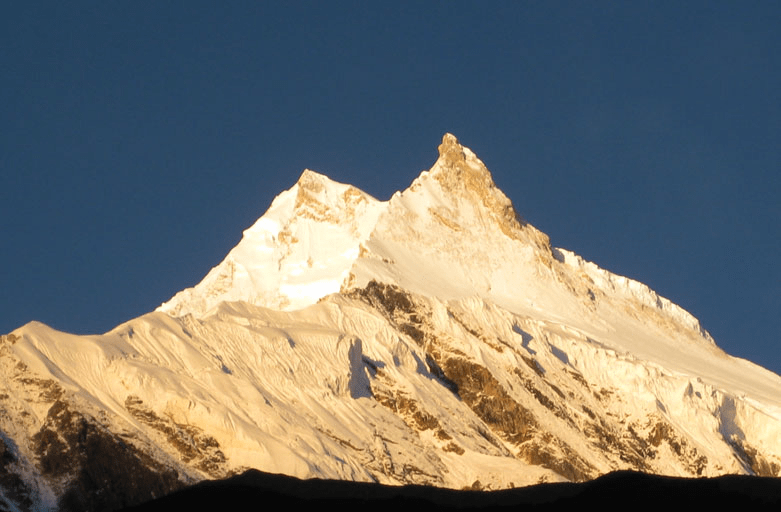
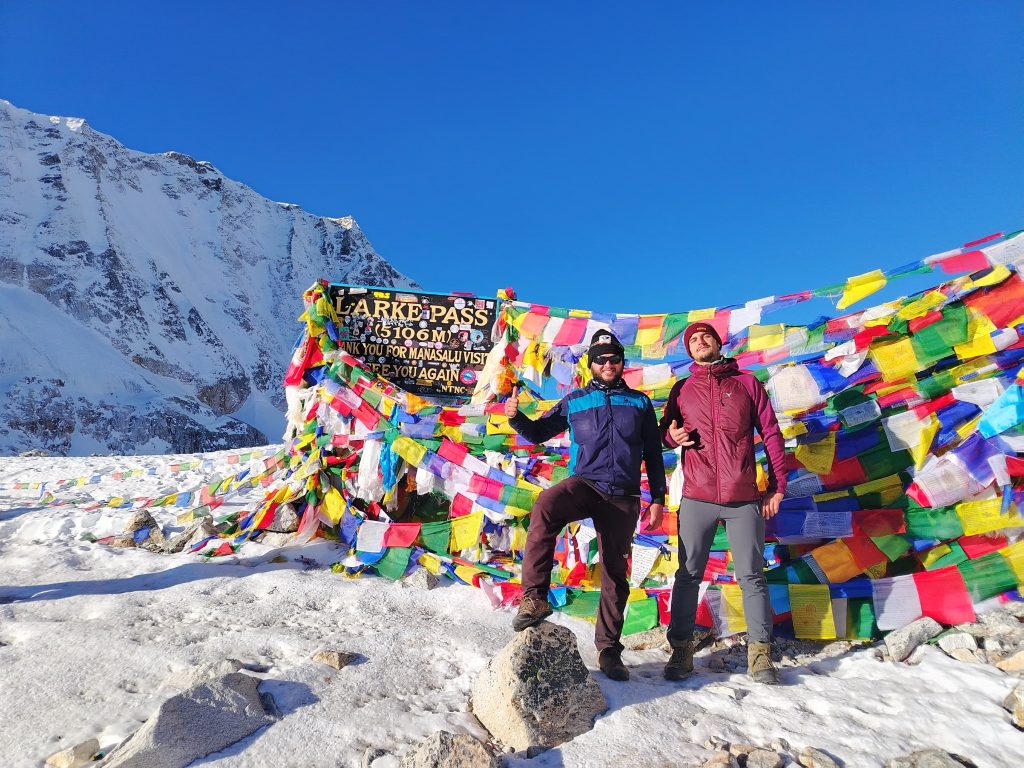
- Manaslu Region (including Tsum Valley)
- Nar Phu Valley
- Kanchenjunga Region
- Humla & Limi Valley
These regions offer untouched landscapes, ancient monasteries, and authentic Himalayan culture.

🚨 2026 UPDATE: Can Single Trekkers Get RAP?
👉 YES — Solo trekkers can now obtain Restricted Area Permits (RAP) in 2026.
According to recent updates from Nepal’s Department of Immigration:
- The minimum 2-person rule has been removed
- Solo foreign trekkers are now allowed to access restricted areas legally
Mandatory rules still apply:
- ✔️ Must book through a registered trekking agency
- ✔️ Must hire a licensed trekking guide
- ✔️ Permit is issued only via agency (not individually)
- ✔️ Must follow fixed itinerary and routes
These rules remain strictly enforced for safety and regulation.
Before 2026 (Old Rule).
Previously:
- Minimum 2 trekkers required
- Solo trekkers had to:
- Join a group
- Or create a “dummy permit” (not officially legal)
This made solo trekking complicated and sometimes expensive.
After 2026 (New Rule).
Now:
- Solo trekkers can apply legally
- No need to find a trekking partner
- Easier planning and flexibility
👉 However, guide + agency requirement remains compulsory
How to Get a Restricted Area Permit Nepal 2026 (Step-by-Step):
1. Choose Your Trek.
Select a restricted region like Upper Mustang or Manaslu.
2. Contact a Registered Trekking Agency.
You cannot apply directly—only agencies can process RAP.
3. Submit Required Documents.
You will need:
- Passport copy
- Valid Nepal visa
- Trekking itinerary
- Travel insurance
- Passport-size photos
4. Agency Applies for Permit.
The agency submits documents to the Department of Immigration.
5. Receive Your Permit.
Carry it throughout the trek—checked at multiple checkpoints.
Permit Cost (2026 Overview):
RAP costs vary depending on:
- Trekking region
- Number of days
- Season
Example (approximate ranges):
- Upper Mustang: USD 500 for 10 days
- Manaslu: USD 70–100 per week
- Upper Dolpo: USD 500+
👉 Fees are fixed and government-regulated, usually payable in Nepali Rupees.
Additional Permits Required:
Besides RAP, you may also need:
- TIMS Card (through agency only in 2026)
- National Park / Conservation Area Permits (ACAP, MCAP, etc.)
👉 Permit rules are stricter in 2026, with more checkpoint monitoring.
Rules You Must Follow in Restricted Areas:
- Trek only on approved routes
- Do not travel without your guide
- Respect local culture and traditions
- Carry permits at all times
- Follow instructions from local authorities
Violation can lead to fines or permit cancellation.
Pros & Cons for Solo Trekkers (2026):
✅ Advantages.
- No need to find a trekking partner
- More flexibility in planning
- Easier access to remote regions
❌ Limitations.
- Cannot trek independently
- Must hire guide
Final Thoughts:
The 2026 update is a big milestone for solo travelers in Nepal. While true independent trekking is still not allowed in restricted areas, the removal of the 2-person rule makes these incredible regions far more accessible.
If you dream of exploring untouched Himalayan landscapes, ancient Tibetan cultures, and remote valleys, restricted area trekking is worth every effort.

Share your unique link and cash in—join now!
Share your unique link and cash in—join now!
Refer and earn up to 50% commission—join now!
https://shorturl.fm/AnrfN
https://shorturl.fm/Jrao2
[…] Restricted Area Permits for Single Trekkers in Nepal 2026 […]