


In this guide to Nepal festivals, we’ll walk through 12 of the most important celebrations, when they happen, where to see them best, and how to join in respectfully. If you’re also planning the rest of your trip, our complete Nepal travel guide covers visas, permits, and packing tips to go with this festival calendar.
Table of Contents.
- Why Nepal Festivals Are Worth Building a Trip Around
- 1. Dashain
- 2. Tihar
- 3. Holi
- 4. Indra Jatra
- 5. Bisket Jatra
- 6. Gai Jatra
- 7. Teej
- 8. Buddha Jayanti
- 9. Maghe Sankranti
- 10. Losar
- 11. Chhath Parva
- 12. Mani Rimdu
- Tips for Attending Nepal Festivals Respectfully
- FAQ
Why Nepal Festivals Are Worth Building a Trip Around.
Nepal follows the lunar calendar, so most festival dates shift slightly each year. As a result, timing your visit takes a little planning — but the payoff is enormous. During festival season, entire cities like Kathmandu, Bhaktapur, and Patan become open-air stages, with music, masked dances, and family rituals spilling into every courtyard and street.
Meanwhile, rural celebrations in places like Mustang and the Khumbu region offer a quieter, more intimate look at Nepal’s Buddhist heritage. Either way, understanding Nepal festivals will completely change how you experience the country.
1. Dashain — Nepal’s Biggest Festival. (September/October)
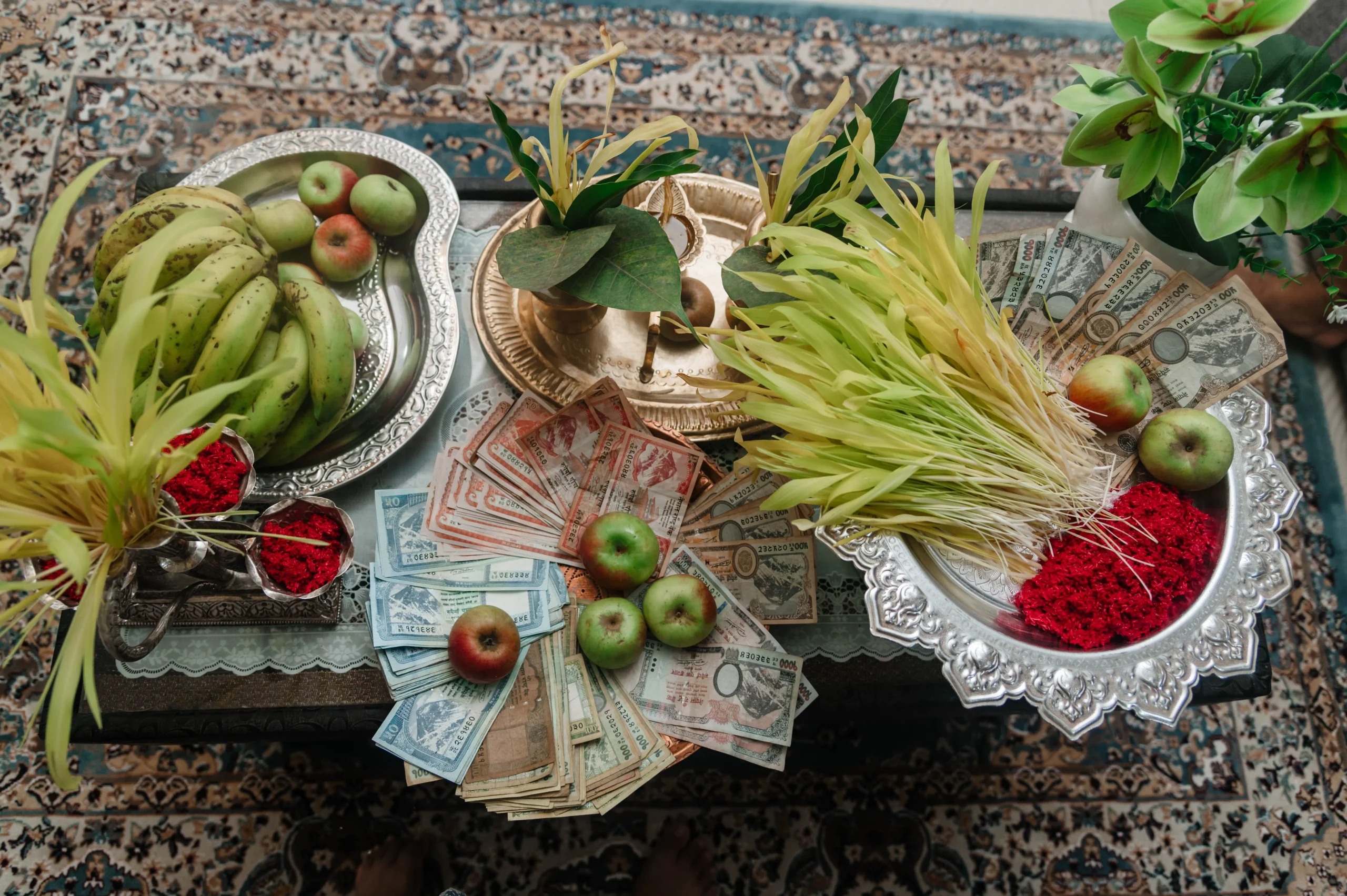
Dashain is the largest and longest of all Nepal festivals, lasting 15 days and celebrating the goddess Durga’s victory over evil. Families reunite from across the country, elders bless younger relatives with a red tika mark, and giant bamboo swings appear in villages and city neighborhoods alike.
- Best places to experience it: Kathmandu Valley, Gorkha
- Traveller tip: Domestic transport gets extremely busy as locals travel home — book long-distance buses or flights early.
2. Tihar — The Festival of Lights (October/November).
Coming shortly after Dashain, Tihar is a five-day festival honoring animals and siblings. Crows, dogs, and cows are each worshipped on separate days, while homes are decorated with oil lamps and intricate flower garlands. On the final day, sisters perform a blessing ritual for their brothers called Bhai Tika.
- Best places to experience it: Kathmandu’s old neighborhoods, especially in the evening
- Traveller tip: Walk through Thamel or Patan Durbar Square at night to see the oil-lamp displays at their best.
3. Holi — The Festival of Colors (March).
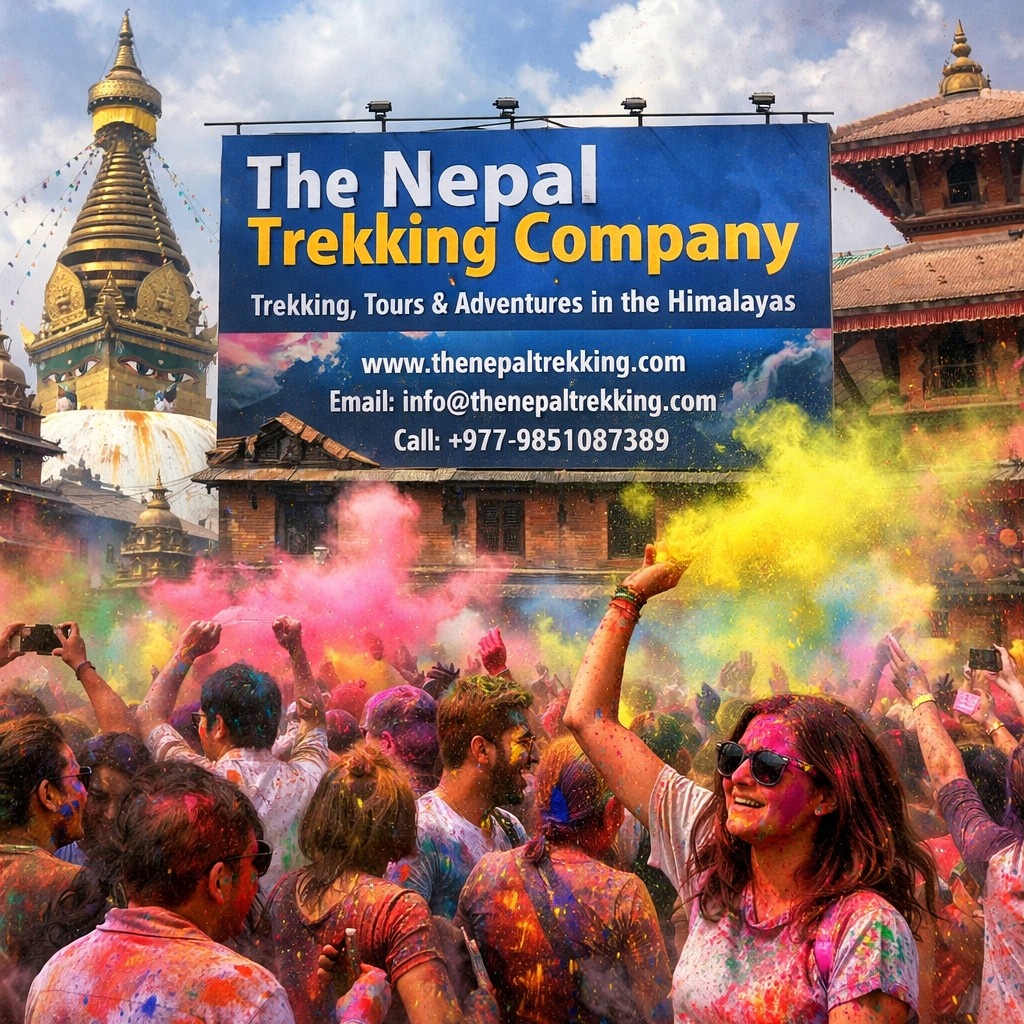 Just as in India, Holi is one of the most joyful Nepal festivals, filling the streets with colored powder, water balloons, and music. In Kathmandu, the celebration often stretches across an entire week, with the biggest water-and-color fights happening around Basantapur Durbar Square.
- Best places to experience it: Basantapur Durbar Square, Kathmandu
- Traveller tip: Wear clothes you’re willing to throw away afterward, and keep electronics sealed in a plastic bag.
4. Indra Jatra (September).
This eight-day festival honors Indra, the god of rain, and features one of the most striking traditions among Nepal festivals: the public appearance of the Kumari, Nepal’s Living Goddess, who is paraded through Kathmandu in a wooden chariot.
- Best places to experience it: Kathmandu Durbar Square
- Traveller tip: Arrive early to secure a good viewing spot — the chariot procession draws massive crowds.
5. Bisket Jatra (April).
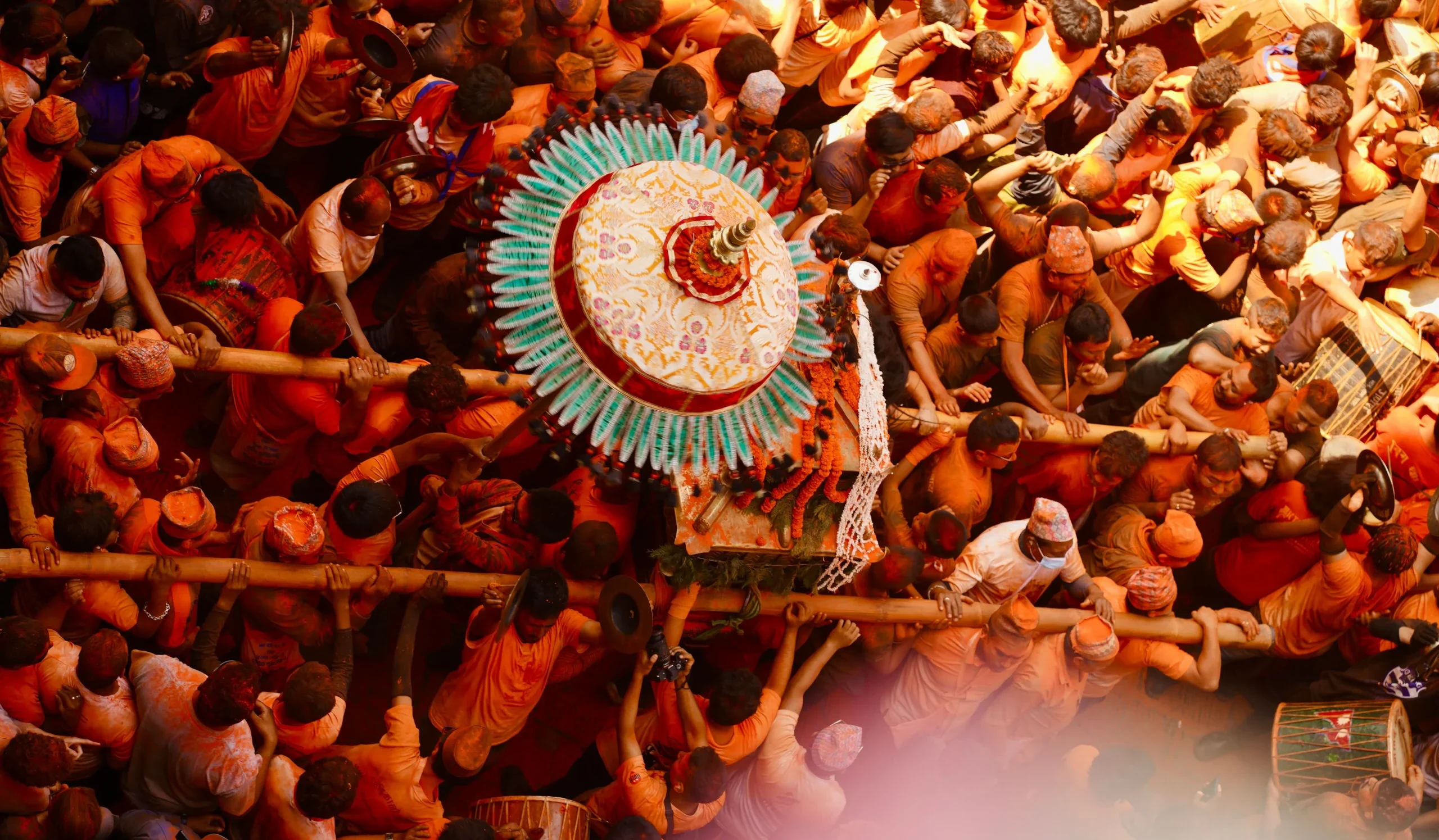
Celebrated most dramatically in Bhaktapur, Bisket Jatra marks the Nepali New Year with a tug-of-war between neighborhoods over a massive wooden chariot, followed by the raising of a 25-meter ceremonial pole.
- Best places to experience it: Bhaktapur Durbar Square
- Traveller tip: Stand well back from the chariot ropes — the pulling can get physically intense.
6. Gai Jatra — The Festival of Cows (August).
Gai Jatra is a uniquely Nepali way of processing grief. Families who have lost a loved one that year lead a cow — or a child dressed as one — through the streets, believed to help guide the deceased to the afterlife. However, the mood is far from somber; it’s filled with comedy, satire, and street performances.
- Best places to experience it: Kathmandu and Bhaktapur
- Traveller tip: Watch for satirical street performances mocking politicians — it’s a beloved local tradition.
7. Teej (August/September).
 Teej is a women’s festival honoring marital happiness and family wellbeing. Women dress in vivid red saris, fast, dance, and sing traditional songs, with large public gatherings at temples across the country.
- Best places to experience it: Pashupatinath Temple, Kathmandu
- Traveller tip: Dress modestly if visiting temple grounds during the celebrations.
8. Buddha Jayanti (April/May).
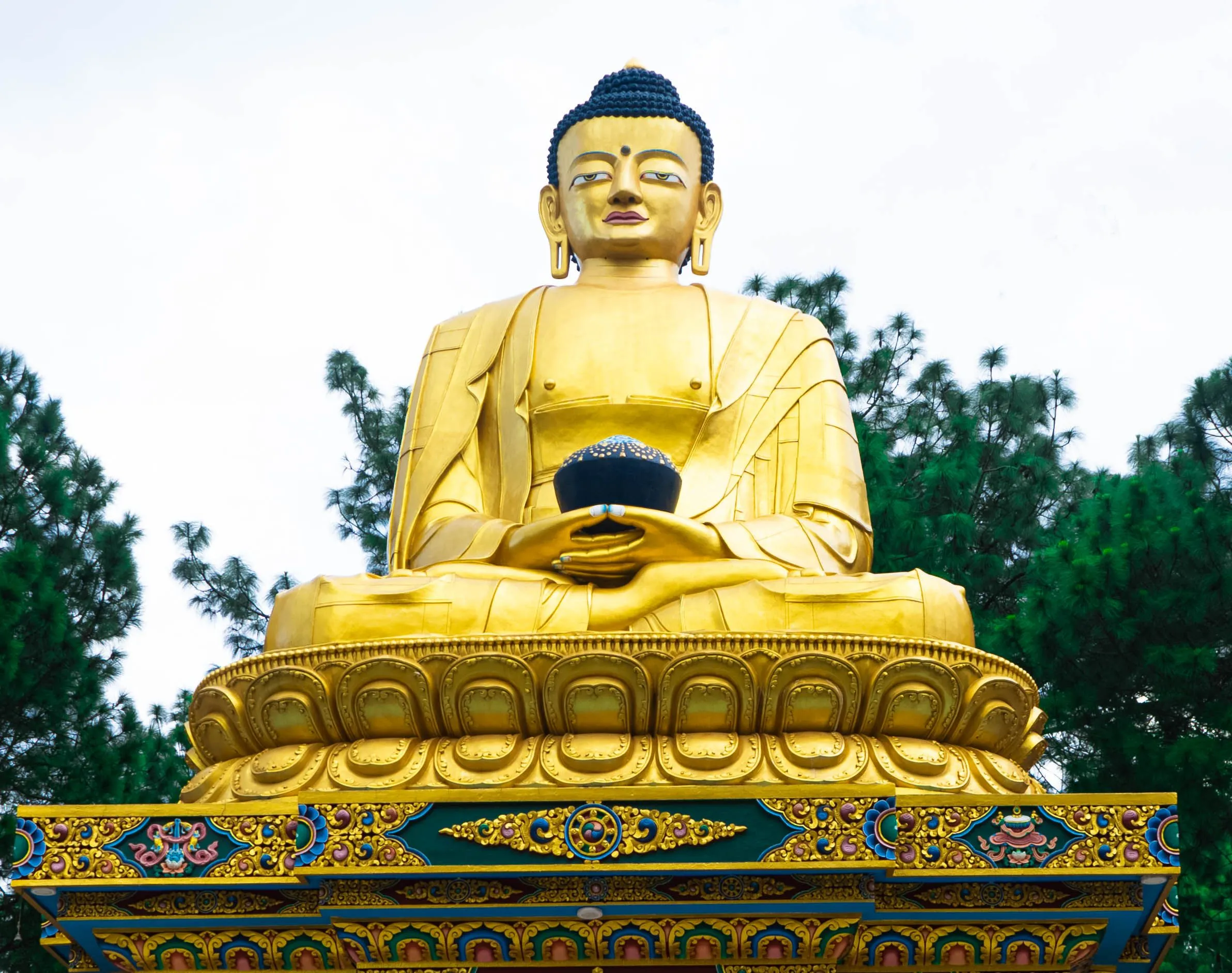
This festival celebrates the birth of Lord Buddha, who was born in Lumbini, Nepal. Monasteries are lit with butter lamps, and monks lead processions through Kathmandu and around the great stupas of Swayambhunath and Boudhanath.
- Best places to experience it: Boudhanath Stupa, Lumbini
- Traveller tip: Visit Boudhanath at dusk when hundreds of butter lamps are lit around the stupa.
9. Maghe Sankranti (Mid-January).
Marking the transition of winter into longer days, this festival is celebrated with ritual bathing in holy rivers and feasts of sesame sweets, sweet potatoes, and rice pudding known as khichdi.
- Best places to experience it: Devghat and the confluence points along the Koshi River
- Traveller tip: Try the sesame-based sweets (til ko laddu) sold at street stalls — they’re a festival-only treat.
10. Losar — Tibetan and Sherpa New Year (February/March).
Celebrated by Nepal’s Buddhist communities, especially Sherpas and Tibetans, Losar involves monastery dances, family gatherings, and the sharing of a special butter tea and barley dish. It’s one of the best Nepal festivals for experiencing Himalayan Buddhist culture up close.
- Best places to experience it: Boudhanath, Namche Bazaar
- Traveller tip: Combine a Losar visit with an early Everest region trek for a rare cultural-and-mountain itinerary.
11. Chhath Parva (October/November).
Popular in Nepal’s southern Terai region, Chhath is dedicated to the sun god and involves worshippers standing waist-deep in rivers at sunrise and sunset, offering prayers for family prosperity.
- Best places to experience it: Janakpur and riverbanks throughout the Terai
- Traveller tip: Arrive before sunrise to see the full ritual — it’s a quiet, moving experience best witnessed early.
12. Mani Rimdu (October/November).
Held at Tengboche Monastery in the Everest region, Mani Rimdu is a masked-dance festival performed by monks to celebrate the triumph of Buddhism. Trekkers heading toward Everest Base Camp often time their trip specifically around it.
- Best places to experience it: Tengboche Monastery, Khumbu region
- Traveller tip: Check the exact dates with the Nepal Tourism Board each year, as the lunar calendar shifts it slightly.
Tips for Attending Nepal Festivals Respectfully.
- Dress modestly, especially at temples, monasteries, and religious processions.
- Ask permission before photographing rituals, family ceremonies, or the Kumari.
- Book accommodation and domestic transport early — Dashain and Tihar see the heaviest demand.
- Carry small cash denominations, as many festival vendors don’t accept cards.
- Pair your festival visit with our Nepal travel planning guide for visas, permits, and packing advice.
Final Thoughts.
Nepal festivals reveal a side of the country that trekking alone never will. Whether you’re watching butter lamps flicker around Boudhanath or getting pulled into a tug-of-war chariot in Bhaktapur, timing your visit around a festival transforms an ordinary trip into a truly incredible one.
Frequently Asked Questions.
What is the biggest of all Nepal festivals?
Dashain is Nepal’s biggest and most important festival, celebrated over 15 days by nearly the entire country.
What is the best time of year to see Nepal festivals?
September through November is the richest festival window, covering Indra Jatra, Dashain, Tihar, and Chhath Parva in a single season.
Are Nepal festivals safe for foreign travellers to attend?
Yes, most are welcoming to visitors. However, crowded events like Indra Jatra and Bisket Jatra require extra caution around large moving crowds and chariots.
Do I need a guide to attend festivals in Nepal?
Not necessarily, though a local guide can help explain rituals, secure better viewing spots, and navigate crowded festival areas more comfortably.


