
Is solo trekking in Nepal safe in 2026? The honest answer is more complicated than a yes or no. Nepal’s mountains are as spectacular and welcoming as ever, but the rules around solo trekking in Nepal changed dramatically after 2023, and enforcement tightened even further this year. Before you book a flight to Kathmandu expecting to wander off into the Himalayas by yourself, you need to understand what “solo trekking in Nepal” actually means under current law, where it’s genuinely safe, and where it’s no longer legally possible at all.
This guide breaks down the real safety picture for anyone asking whether solo trekking in Nepal is safe in 2026 — the mandatory guide policy, updated permit costs, the regions where independent trekking still exists, and the practical steps that keep a solo trip safe from start to finish. If you take one thing from this article, let it be this: is solo trekking in Nepal safe? Yes, but only if you plan around the current rules, not the ones from a few years ago.

- What “Solo Trekking” Actually Means in Nepal Now
- Is Solo Trekking in Nepal Safe? The Real Risks
- Nepal’s 2026 Trekking Rules: Mandatory Guides Explained
- Where You Can Still Trek Without a Guide
- Permit and Guide Costs in 2026
- 10 Safety Tips for Solo Trekkers in Nepal
- Frequently Asked Questions
- Final Verdict
What “Solo Trekking” Actually Means in Nepal Now.
For years, solo trekking in Nepal meant exactly that — buying a permit, picking a trail, and walking it alone with nothing but a map and a teahouse guidebook. That era is over for almost every popular route in the country, which is why so many travelers now search for whether solo trekking in Nepal is safe before they book anything.
In April 2023, Nepal’s government introduced a rule requiring every foreign trekker to hire a licensed guide through a registered trekking agency before entering a national park, conservation area, or restricted area. The rule existed on paper for a couple of years without much enforcement, but in 2026 that changed. Checkpoints on major routes now consistently check guide credentials, and trekkers without one risk being turned back, fined, or blacklisted from future permits.
If you’re weighing this against a specific route, our Everest Base Camp trekking guide covers exactly how this rule plays out on the ground in the Khumbu region.
The rule doesn’t mean you have to join a group tour. You can still travel to Nepal by yourself, book independently, and walk with just one licensed guide and no one else. That is what “solo trekking in Nepal” realistically means in 2026 — solo in the sense of no companions, not solo in the sense of no guide.
Is Solo Trekking in Nepal Safe? The Real Risks.
Nepal is one of the safer countries in Asia when it comes to violent crime against travelers, which is a big part of why solo trekking in Nepal has such a strong reputation among independent travelers. Theft and scams exist in tourist hubs like Thamel, but assault against trekkers is rare. The dangers that actually end trips — and occasionally lives — are environmental, not criminal:
- Altitude sickness (AMS): The single biggest risk on any high-altitude trek, including Everest Base Camp and Annapurna Circuit. It can affect fit, experienced hikers just as easily as beginners.
- Sudden weather changes: Himalayan weather can shift from clear skies to whiteout conditions within hours, especially above 4,000 meters.
- Getting lost or injured with no one nearby: On remote sections, a twisted ankle or a missed trail marker can turn serious fast if there’s no one to help or raise the alarm.
- Delayed rescue: Search and rescue in remote terrain takes time. Every hour without help matters in an emergency.
This is exactly the reasoning behind Nepal’s mandatory guide policy — a rising number of missing-person cases and preventable high-altitude deaths involving people trekking completely alone pushed the Nepal Tourism Board and the Trekking Agencies’ Association of Nepal (TAAN) to act. A licensed guide is trained to recognize early AMS symptoms, monitor conditions, and coordinate a rescue quickly if something goes wrong — the exact gap that used to make solo trekking in Nepal risky. For altitude-specific prep, see our guide to preventing altitude sickness in Nepal.
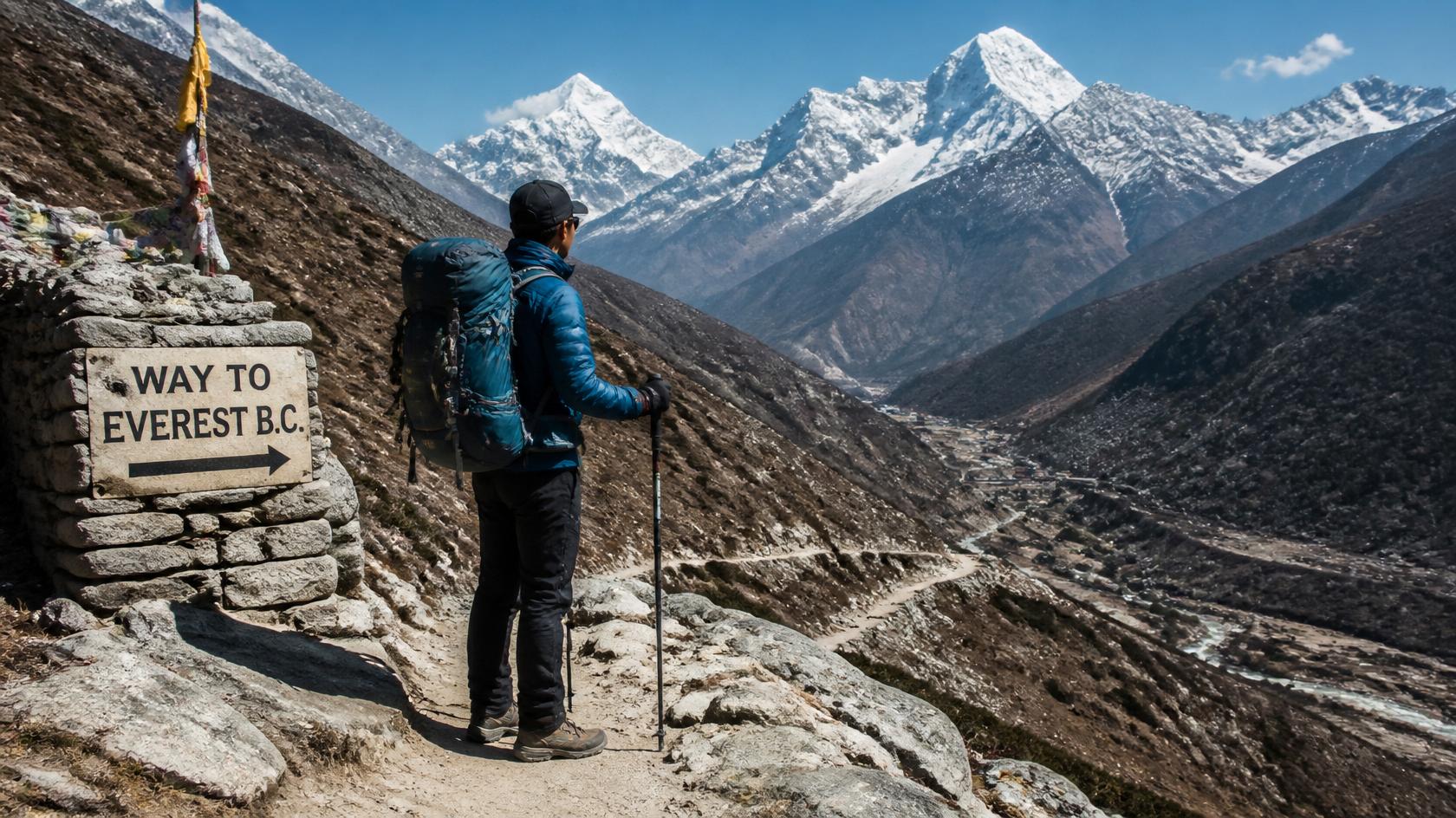
Nepal’s 2026 Trekking Rules: Mandatory Guides Explained.
Here’s what’s actually in force this year:
Guides are mandatory on almost every major route.
Everest/Khumbu, Annapurna, Langtang, Manaslu, and all restricted areas (Upper Mustang, Upper and Lower Dolpo, Nar Phu Valley, Tsum Valley, Kanchenjunga) require a government-licensed guide booked through a registered agency. This applies whether you’re trekking with a group or entirely by yourself.
Restricted-area solo permits are now allowed.
Until March 2026, Nepal’s 13 restricted districts required a minimum of two foreign trekkers per permit application, which forced solo travelers to team up with strangers or skip the region. The Department of Immigration removed that minimum-group requirement this year, so a single trekker can now apply for a Restricted Area Permit (RAP) alone — provided a licensed guide from a registered agency still accompanies them.
The old TIMS card is being phased out.
The paper Trekkers’ Information Management System (TIMS) card is no longer issued in the Everest/Khumbu region, where it’s been replaced by the Khumbu Pasang Lhamu Rural Municipality permit. In other regions, TIMS is being replaced by a digital e-TIMS system processed entirely through registered agencies rather than picked up in person.
Enforcement is real, not theoretical.
Checkpoints that used to wave independent trekkers through now check credentials consistently. Trekking without the required permits or guide can mean an on-the-spot fine or being sent back down the trail.
Rules around solo trekking in Nepal shift quickly — always confirm current requirements directly with the Nepal Tourism Board or TAAN before you travel.
Where You Can Still Trek Without a Guide.
Not every trail in Nepal falls under the mandatory guide rule. If walking completely independently matters to you, a few options remain:
- Short day hikes around Kathmandu and Pokhara — trails like Nagarkot, Champadevi, Sarangkot, and the Pokhara lakeside hills generally don’t require permits or guides.
- Some lower-elevation valley walks outside national park or conservation area boundaries.
For multi-day treks into national parks, conservation areas, or the Himalayas proper, though, a licensed guide is now a legal requirement, not a recommendation.
Permit and Guide Costs in 2026.
Budgeting for a solo (guide-accompanied) trek in Nepal in 2026 typically includes the costs below. If you want a full cost breakdown by route, our Nepal trekking cost guide goes deeper into region-by-region pricing.
| Item | Approximate 2026 Cost |
|---|---|
| Licensed guide (per day) | USD 25–40 |
| Porter (per day, optional) | USD 20–25 |
| Sagarmatha (Everest) National Park permit | ~USD 22 |
| Annapurna Conservation Area Permit (ACAP) | ~USD 22–30 |
| Manaslu Restricted Area Permit (peak season) | ~USD 100/week |
| Upper Mustang Restricted Area Permit | Recently revised to a daily rate (confirm current figure before booking) |
| On-the-spot fine for missing permits/guide | ~USD 120 |
Permit fees for restricted areas in particular have changed more than once in the past year, so treat any number you read — including the ones above — as a starting estimate and verify current pricing with a registered agency before you finalize your budget.
10 Safety Tips for Solo Trekkers in Nepal.
Trekking solo in Nepal in 2026 can absolutely be done safely, guide requirement and all. Here’s how experienced solo trekkers stay protected:
- Book through a registered agency. Verify the agency is TAAN-registered and the guide is government-licensed — not just someone offering a cheap rate online.
- Buy trekking-specific travel insurance that explicitly covers high-altitude trekking and helicopter evacuation, not just general travel insurance. See our guide to trekking insurance in Nepal for providers that actually cover altitude.
- Acclimatize properly. Build in rest days on any route above 3,000 meters, regardless of how fit you are.
- Share your itinerary with someone back home and update them at points along the trek where you have signal.
- Carry a satellite communicator or local SIM for connectivity in areas without reliable mobile coverage.
- Know AMS symptoms — headache, nausea, dizziness — and descend immediately if they appear and don’t improve with rest.
- Check the weather forecast daily with your guide, especially before crossing high passes.
- Carry appropriate gear for sudden temperature drops, even in the shoulder seasons.
- Keep your permits and guide documentation on you at all times for checkpoint verification.
- Trust your guide’s local judgment on route changes or turning back — that experience is exactly what the mandatory guide policy is designed to add to your trip.

If you’re mapping out your first solo-with-guide trek, our Everest Base Camp trekking guide and Annapurna Circuit itinerary breakdown go into route-specific planning in more detail — both written with solo trekking in Nepal specifically in mind.
Frequently Asked Questions.
Is solo trekking in Nepal safe in 2026?
It’s safer than ever in terms of medical and rescue support, largely because a licensed guide is now required on nearly every major route. Environmental risks like altitude sickness and sudden weather changes remain the biggest concerns, not crime.
Can I still trek completely alone in Nepal, with no guide at all?
Not on routes inside national parks, conservation areas, or restricted areas — a licensed guide is legally required there. Some short day hikes near Kathmandu and Pokhara remain guide-free.
Do solo trekkers need a travel companion to get a permit?
No. As of March 2026, the minimum two-person requirement for restricted-area permits was removed, so a single trekker can apply alone, provided a licensed guide is booked through a registered agency.
How much does a guide cost for solo trekking in Nepal?
Licensed guides typically charge USD 25–40 per day, depending on the region and season. This is separate from park permits and porter fees.
What happens if I trek without the required guide or permits?
You risk an on-the-spot fine, being turned back at a checkpoint, or losing eligibility for future permits. Enforcement in 2026 is consistent across major checkpoints.
Final Verdict: Is Solo Trekking in Nepal Safe?
Solo trekking in Nepal in 2026 is safe when you plan around the current rules rather than around outdated blog posts. Traveling without a companion is still entirely possible and popular — trekking without any licensed guide on major routes is not, and trying it risks both your safety and your legal standing on the trail. Book a licensed guide through a registered agency, insure yourself properly, respect acclimatization schedules, and Nepal’s trails remain some of the most rewarding solo travel experiences in the world.
Trekking rules in Nepal have changed multiple times within a single year — always confirm current permit requirements and pricing with the Nepal Tourism Board, TAAN, or a registered trekking agency before you book.


