Planning your dream journey to the Everest Base Camp (EBC) is one of the most exciting adventures you’ll ever take. But one question always comes first: When is the best time to do Everest Base Camp trek?
Choosing the right season makes all the difference in your trekking experience — from crystal-clear views of Mt. Everest to comfortable weather and safe trails.
At The Nepal Trekking Company, we believe “Your comfort is our commitment, and your adventure is our passion. That’s why we customize your trek to match your pace, your style, and your dream.”
Let’s dive into the complete guide to the best time to trek Everest Base Camp in 2025 and beyond.
Table of Contents.
Why Timing Matters for Everest Base Camp Trek.
The Everest region (Khumbu) experiences drastic weather shifts. Picking the wrong season could mean slippery trails, heavy snowfall, blocked passes, or no mountain views.
By trekking at the best time of year, you’ll enjoy:
- Clear panoramic mountain views
- Stable weather with less risk of storms
- Pleasant daytime temperatures for walking
- More chances to experience Sherpa culture and local festivals
- Safer trails with fewer natural obstacles
The Two Best Seasons for Everest Base Camp Trek:
After decades of guiding trekkers, experts agree there are two golden seasons:
1. Spring (March – May) 🌸
- Why it’s best: Blooming rhododendrons, stable weather, long daylight hours.
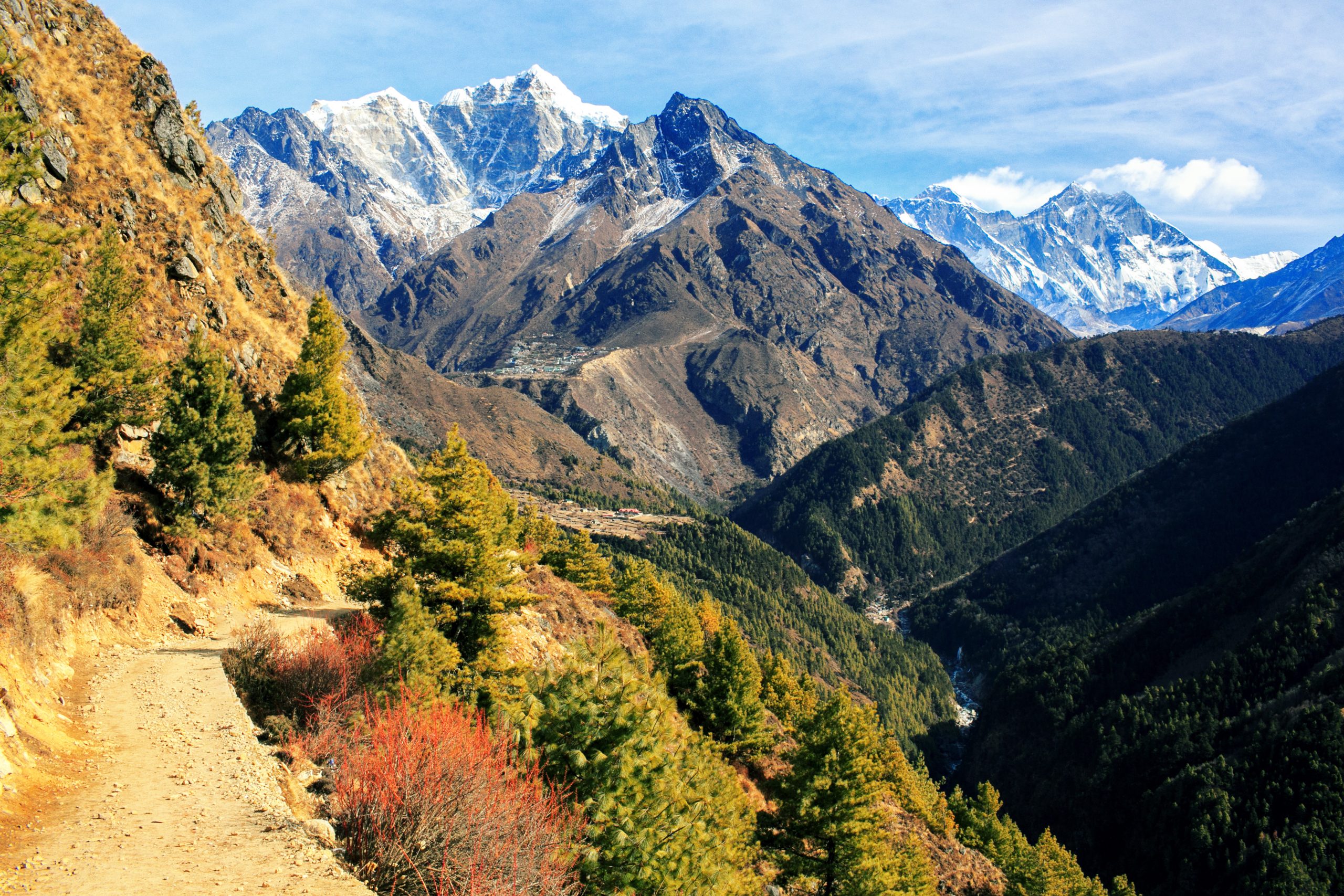
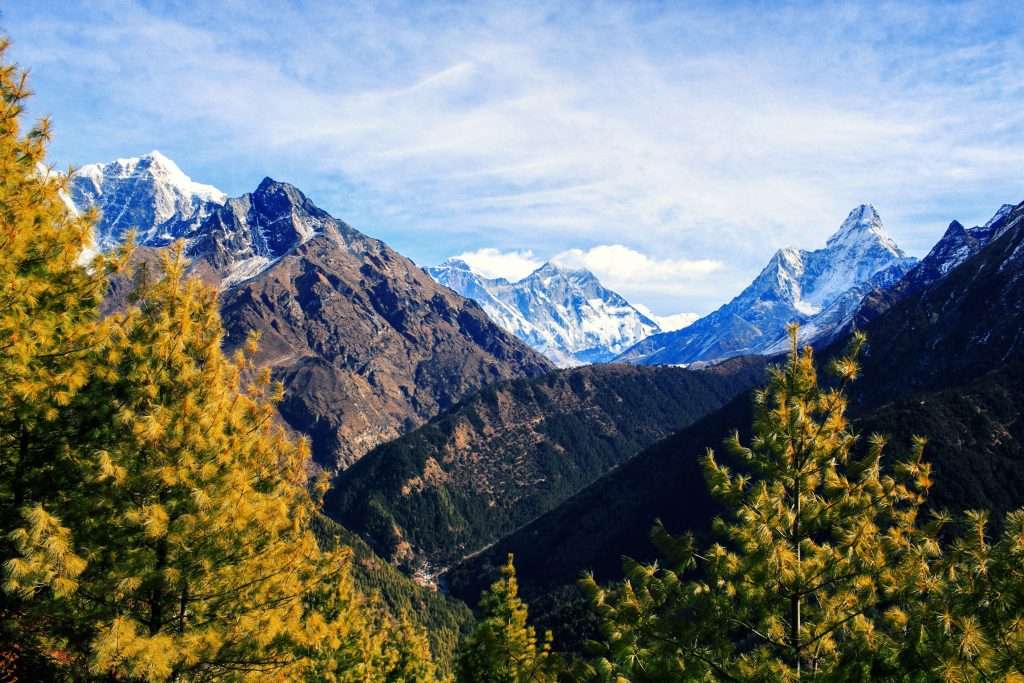
- Views: Unobstructed views of Mt. Everest, Lhotse, Nuptse, and Ama Dablam.
- Temperature: 10–15°C daytime at lower altitudes, colder at higher camps.
- Highlights:
- Perfect for photography and nature lovers
- Great time for climbers heading to summit Everest
- Moderate crowds, lively teahouses
2. Autumn (September – November) 🍂
- Why it’s best: Post-monsoon clarity with dramatic skies.
- Views: Crystal clear Himalayan panorama.
- Temperature: Mild days, cold nights but comfortable for trekking.
- Highlights:
- Peak trekking season — buzzing atmosphere
- Local festivals like Dashain & Tihar add cultural charm
- Best conditions for first-time trekkers
Everest Base Camp Trek in Winter & Summer
Though spring and autumn are most popular, other seasons have their own charm.
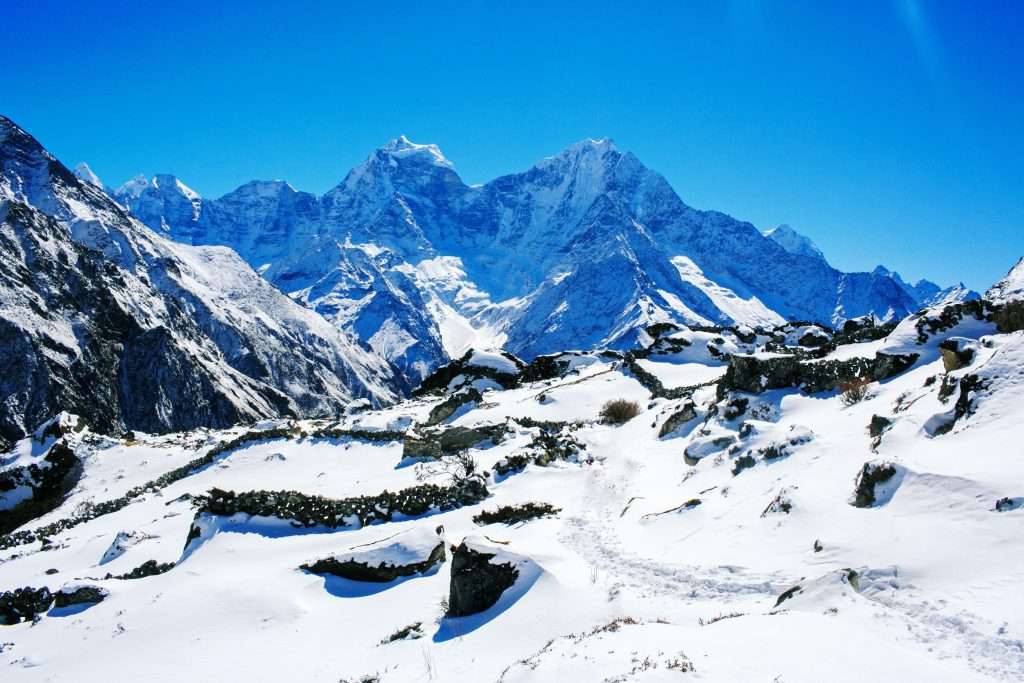
Winter (December – February) ❄️
- Pros: Quiet trails, fewer trekkers, serene snow-covered landscapes.
- Cons: Freezing nights, risk of blocked passes.
- Best for: Experienced trekkers seeking solitude.
Summer/Monsoon (June – August) 🌧️
- Pros: Lush green valleys, fewer trekkers.
- Cons: Rain, leeches, clouded mountain views, flight delays.
- Best for: Adventure seekers who don’t mind unpredictable weather.
Month-by-Month Breakdown of EBC Trek Weather
- January: Coldest month, quiet trails, stunning snow views.
- February: Cold but clearer skies, improving conditions.
- March: Start of prime season, flowers bloom, lively trails.
- April: Warm, dry, colorful — ideal for trekking & climbing.
- May: Bright skies, warmer days, end of spring season.
- June: Start of monsoon, rain in lower regions.
- July: Heavy rain, flights often delayed.
- August: Monsoon fading, still wet trails.
- September: Fresh skies, start of autumn season.
- October: Peak trekking month, best all-round conditions.
- November: Clear, stable, slightly colder, fantastic views.
- December: Cold but peaceful, great for solitude lovers.
How to Choose the Best Time for YOU.
Ask yourself:
- Do you prefer crowds or solitude?
- Do you want lush greenery or snowy peaks?
- Do you prefer mild or cold temperatures?
If it’s your first Everest Base Camp trek, we recommend spring or autumn for the best experience.
Customizing Your Everest Base Camp Trek.
At The Nepal Trekking Company, every trek is designed around you.
✨ “Because your comfort is our promise, your adventure our masterpiece.”
We customize:
- Trekking pace & acclimatization days
- Side trips (Gokyo Lakes, Chola Pass, Island Peak)
- Accommodation upgrades (from teahouses to lodges)
- Group or private trek options
👉 Contact us today to design your perfect Everest Base Camp journey.
Practical Tips for Trekking in the Best Season

- Book early during spring & autumn (lodges fill quickly).
- Carry layers for unpredictable mountain weather.
- Acclimatize properly to avoid altitude sickness.
- Stay hydrated — 3–4 liters water per day.
- Get insured — travel insurance covering altitude trekking is a must.
Cost of Everest Base Camp Trek in Best Season.
On average, the Everest Base Camp trek cost ranges from $1200 – $1800, depending on:
- Season (autumn/spring prices slightly higher)
- Trekking duration (12–16 days)
- Group vs private trekking
- Additional side trips & upgrades
Booking in spring or autumn gives you the best value for money since conditions are perfect.
Frequently Asked Questions (FAQ)

Q1: What is the best month to do Everest Base Camp trek?
👉 October and April are considered the best months for clear skies and comfortable weather.
Q2: Can I trek Everest Base Camp in winter?
👉 Yes, but expect freezing nights and fewer open teahouses. Great for solitude seekers.
Q3: Is monsoon season suitable for EBC trek?
👉 Not ideal due to rain and flight delays, but landscapes are lush and green.
Q4: How difficult is the trek in peak season?
👉 Moderate difficulty; trails are busier, but facilities are well managed.
Q5: Can I customize my trek itinerary?
👉 Absolutely! At The Nepal Trekking Company, your trek is personalized because “Your comfort is our priority, your adventure our masterpiece.”
Final Thoughts
The best time to do Everest Base Camp trek is undoubtedly spring (March–May) and autumn (September–November). With breathtaking views, stable weather, and cultural experiences, these seasons guarantee a once-in-a-lifetime journey.
At The Nepal Trekking Company, we make sure every step of your trek is unforgettable. Whether you want a classic EBC trek, a luxury lodge experience, or an adventurous side route, we’ve got you covered.
👉 Ready to start your journey? Contact us today and let us plan your perfect Everest adventure.