
Table of Contents:
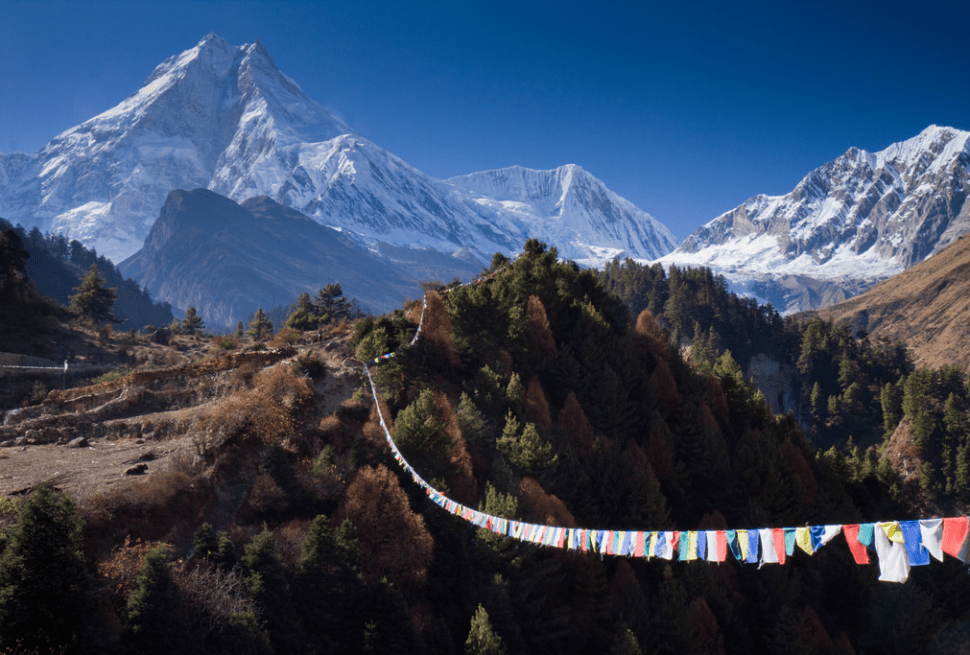
Nepal is open for trekking, and travelers from every corner of the world are welcome. The teahouses are warm, the trails are clear, and the Himalayas are as breathtaking as ever. Whether you are a first-time hiker looking for a gentle five-day walk or an experienced trekker planning a high-altitude pass crossing, this guide shows you how to plan your journey. At The Nepal Trekking Company, we help travelers every season, and the message is simple: Nepal is open for trekking, and now is a wonderful time to come.

In this guide you will find the best treks, the right season, permits, costs, a sample itinerary, packing advice, safety tips and answers to common questions.
Note: visa fees, permit prices and trekking regulations are revised from time to time. Confirm current details with official sources or a registered trekking agency before you travel.
Why Nepal Is Open for Trekking and Worth the Journey.
Nepal is home to eight of the world’s fourteen peaks above 8,000 meters, including Mount Everest at roughly 8,849 meters. But the appeal goes far beyond summit statistics. Now that Nepal is open for trekking, you can enjoy a country that offers:
- Extraordinary variety: In a single trek you can move from subtropical forest and terraced rice fields to alpine meadows, glacial moraines and high desert.
- A living culture: The trails pass through Sherpa, Gurung, Tamang, Magar and Thakali communities, with monasteries, mani walls and prayer flags marking the way.
- The teahouse system: On the main routes you sleep in simple lodges and eat hot meals daily, so there is no need to carry a tent.
- Options for everyone: Treks range from three-day walks to month-long expeditions, for every fitness level and budget.
- Warm hospitality: A friendly “Namaste” opens doors and conversations along every trail.
Nepal Is Open for Trekking: Entry and Visa Basics.
Yes, Nepal is open for trekking and for international visitors. The major regions, including Everest (Khumbu), Annapurna, Langtang and Manaslu, are operating. Most travelers arrive at Tribhuvan International Airport (KTM) in Kathmandu, which connects to major hubs across Asia and the Middle East.
Many nationalities can get a tourist visa on arrival or apply online before departure to save time at the airport. Fees and durations depend on the length of your stay, so check the Department of Immigration of Nepal for the latest rules. For general travel information, visit the official Nepal Tourism Board website.
Before you fly, make sure that:
- Your passport is valid for at least six months from your arrival date.
- You carry passport-size photos for permit applications.
- Your travel insurance covers trekking at altitude and emergency helicopter evacuation.
- You have checked the health and entry requirements published by your own government.
Best Treks Now That Nepal Is Open for Trekking.
Here are nine routes to consider. Each one shows a different side of the country.
1. Everest Base Camp Trek
Duration: 12 to 14 days | Max altitude: about 5,364 m (Base Camp), 5,545 m (Kala Patthar) | Difficulty: Moderate to challenging
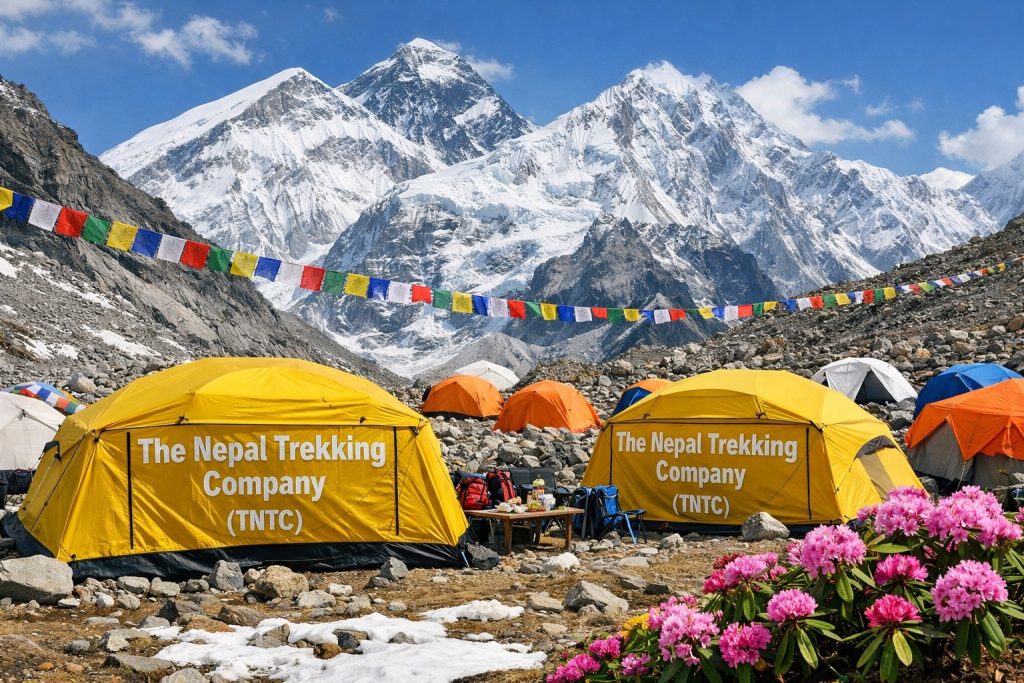
The most famous trek on the planet begins with a mountain flight to Lukla and follows the Dudh Koshi valley to Namche Bazaar, the Sherpa capital. From there you climb through Tengboche, Dingboche and Lobuche to Base Camp. Many trekkers also climb Kala Patthar for the best sunrise views of Everest. See our Everest Base Camp trek package for itinerary details.
2. Annapurna Circuit
Duration: 12 to 18 days | Max altitude: 5,416 m (Thorong La Pass) | Difficulty: Challenging
This classic route loops around the Annapurna massif and crosses the high Thorong La Pass. You pass lush valleys, Tibetan-influenced villages like Manang, and the deep Kali Gandaki gorge. Road building has changed some sections, but side trails still offer quiet walking.
3. Annapurna Base Camp
Duration: 7 to 12 days | Max altitude: about 4,130 m | Difficulty: Moderate
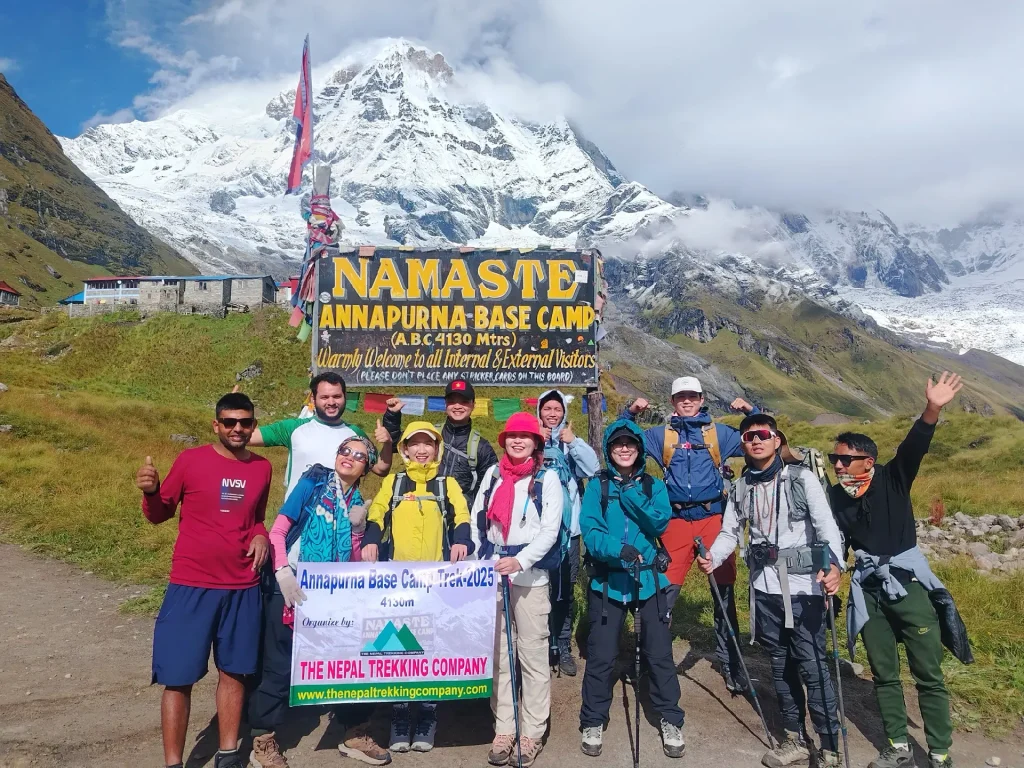
A favorite for first-time Himalayan trekkers, this route leads into a glacial amphitheater ringed by peaks, including Annapurna I and Machapuchare. Expect rhododendron forests, long stone staircases and hot springs at Jhinu Danda.
4. Langtang Valley Trek
Duration: 7 to 10 days | Max altitude: about 3,870 m | Difficulty: Moderate
Close to Kathmandu, Langtang offers glaciers, yak pastures and Tamang culture without extreme altitude. The valley’s rebuilding after the 2015 earthquake is a story of community resilience, and your visit supports it.
5. Manaslu Circuit
Duration: 14 to 18 days | Max altitude: 5,106 m (Larkya La Pass) | Difficulty: Challenging
For quieter trails, Manaslu delivers remote villages, Tibetan Buddhist culture and dramatic scenery. It lies in a restricted area, so special permits and registered agency arrangements are required.
6. Gokyo Lakes Trek
Duration: 11 to 14 days | Max altitude: about 5,357 m (Gokyo Ri) | Difficulty: Moderate to challenging
Branching from the Everest trail, this route reaches a chain of turquoise glacial lakes beside the Ngozumpa Glacier. It is often less crowded than the Base Camp route and offers superb views of Everest, Lhotse, Makalu and Cho Oyu.
7. Poon Hill and Ghorepani
Duration: 4 to 5 days | Max altitude: about 3,210 m | Difficulty: Easy to moderate
A gentle introduction with a big reward: a sunrise panorama over the Annapurna and Dhaulagiri ranges. Ideal for families, beginners and anyone short on time.
8. Mardi Himal Trek
Duration: 5 to 7 days | Max altitude: about 4,500 m | Difficulty: Moderate
A beautiful ridge walk with close views of Machapuchare and the Annapurnas on a short itinerary.
9. Upper Mustang
Duration: 10 to 14 days | Difficulty: Moderate
The former Kingdom of Lo is a high, dry landscape of red cliffs, ancient caves and walled villages. It is a restricted area, and because it sits in a rain shadow it can be explored even in the monsoon.

Best Time to Trek While Nepal Is Open for Trekking All Year.
Nepal is open for trekking in every season, but the experience changes with the weather.
| Season | Months | What to expect |
|---|---|---|
| Autumn | September to November | Clear skies, stable weather and excellent visibility. The busiest season. |
| Spring | March to May | Warm days, blooming rhododendrons and good views. Haze can build in late spring. |
| Winter | December to February | Cold, crisp and quiet. Best for lower treks; high passes may close. |
| Monsoon | June to August | Heavy rain and leeches in the hills, but fewer crowds. Rain-shadow regions like Upper Mustang work well. |
Our advice: For a first trek, aim for October, November or April. These months fill quickly, so book flights, guides and teahouse space early.
Permits You Need Because Nepal Is Open for Trekking.
Nepal regulates trekking to protect the environment and keep visitors safe. Depending on your route, you may need some combination of these permits:
- TIMS card (Trekkers’ Information Management System): A registration card required on many routes. Some regions now use local permits instead.
- National park or conservation area permit: For example Sagarmatha National Park, Langtang National Park or the Annapurna Conservation Area.
- Local municipality permit: Some rural municipalities, such as those in Khumbu, issue their own permits.
- Restricted area permit: Needed for Manaslu, Upper Mustang and Upper Dolpo. These are arranged through a registered trekking agency and often require a licensed guide and a minimum group size.
Guides and agencies: Nepal has been tightening rules around licensed guides and registered agencies on many routes, and enforcement varies by region and season. A licensed guide also improves your safety and supports the local economy.
Where to get permits: Permits are issued in Kathmandu and Pokhara, and your agency can usually handle everything. Carry your passport and a few passport-size photos. Fees are often revised at the start of the fiscal year in mid-July, so always confirm the latest information. Contact us and we will check current requirements for your route.
How Much Does a Trek Cost?
Costs vary with route, season, group size and comfort level. The main expenses to budget for are:
- Permits and fees: Entry permits, TIMS or local permits and any restricted-area fees.
- Guide and porter: Daily wages, plus a customary tip at the end of the trek.
- Accommodation and food: Teahouse rooms are inexpensive, and prices rise with altitude because supplies are carried up on foot.
- Transport: Flights (such as Kathmandu to Lukla), jeeps or buses to the trailhead.
- Insurance and gear: Trekking insurance with altitude and evacuation cover, plus any equipment you buy or rent.
- Extras: Hot showers, charging, Wi-Fi, treated water and snacks, usually charged separately at higher altitudes.
Ask any agency for an itemized quote so you can compare like with like. Be cautious of prices that look too good to be true, as they often cut corners on safety or porter welfare.
Sample 14-Day Itinerary: Everest Base Camp
- Day 1: Arrive in Kathmandu and rest.
- Day 2: Sightseeing, permit and gear check.
- Day 3: Fly to Lukla, trek to Phakding.
- Day 4: Trek to Namche Bazaar.
- Day 5: Acclimatization day in Namche.
- Day 6: Trek to Tengboche.
- Day 7: Trek to Dingboche.
- Day 8: Acclimatization day in Dingboche.
- Day 9: Trek to Lobuche.
- Day 10: Gorak Shep and Everest Base Camp.
- Day 11: Kala Patthar at sunrise, descend to Pheriche or Pangboche.
- Day 12: Trek back to Namche Bazaar.
- Day 13: Trek to Lukla.
- Day 14: Fly to Kathmandu.
Mountain flights can be delayed by weather, so add a spare day or two if you can.

What to Pack When Nepal Is Open for Trekking.
Clothing
- Moisture-wicking base layers
- Fleece mid-layer and a down jacket
- Waterproof and windproof jacket and trousers
- Trekking trousers and quick-dry shirts
- Warm hat, sun hat, gloves and a buff
- Thermal socks and spares
Gear
- Broken-in trekking boots and camp sandals
- Sleeping bag rated for cold nights (rentable in Kathmandu)
- Daypack with rain cover and a duffel bag for your porter
- Trekking poles and a headlamp with spare batteries
- UV-protection sunglasses
- Water bottles and purification tablets or a filter
Health and extras
- Personal first-aid kit, blister care and prescription medicines
- High-SPF sunscreen and lip balm
- Power bank and charging cables
- Cash in Nepali rupees and copies of your passport and insurance
Altitude, Health and Safety on the Trail
Most trekking problems come from going too high too fast. Take these precautions:
- Climb high, sleep low. Follow a gradual ascent and include acclimatization days.
- Know the symptoms of altitude sickness: headache, nausea, dizziness, loss of appetite and unusual fatigue. Confusion, loss of balance or breathlessness at rest need immediate descent and medical help.
- Never ascend with symptoms. If you feel unwell, rest or go down.
- Drink plenty of water and eat regular meals, even if your appetite drops.
- Practice food and water hygiene. Treat all drinking water and wash your hands often.
- Check weather and trail conditions with your guide, and respect their decision to turn back.
- See your doctor before the trip, especially if you have heart or lung conditions, and ask about altitude medication.
Responsible Trekking and Local Culture
Your visit supports thousands of families in mountain communities. A few habits keep the trails beautiful and the culture respected:
- Greet people with “Namaste”.
- Dress modestly in villages and at religious sites.
- Walk clockwise around stupas, mani walls and prayer wheels.
- Ask before photographing people and ceremonies.
- Carry out what you carry in and avoid single-use plastic.
- Treat porters fairly, with proper clothing, insurance and reasonable loads.
- Buy from local teahouses and shops.
- Step to the uphill side of the trail when yaks and mules pass.
Frequently Asked Questions
Is Nepal open for trekking right now?
Yes. Nepal is open for trekking and the main regions are operating. Always check current entry rules and permit requirements before you travel.
Do I need trekking experience?
No. Poon Hill is easy, and Langtang and Annapurna Base Camp are moderate. Choose a route that matches your fitness and time, and train for a couple of months beforehand.
Can I trek in Nepal without a guide?
Rules have been tightening, and licensed guides are required or strongly advised in many areas. Restricted areas always require a registered agency. Check the latest regulations for your route.
How fit do I need to be?
For moderate treks, be comfortable walking five to seven hours a day on hilly terrain for several days in a row. Cardio, hill walks with a loaded pack and strength work all help.
Is trekking in Nepal safe?
For the vast majority of visitors, yes. The main risks are altitude sickness, weather and injury. Acclimatize well, travel with a licensed guide, carry insurance and listen to local advice.
What is the best trek for beginners?
Poon Hill, Mardi Himal and Annapurna Base Camp are popular first treks, and Langtang Valley is a good option from Kathmandu.
Will I have mobile signal and electricity?
Most main routes have teahouses with electricity (often for a fee) and Wi-Fi or mobile signal in many villages, but coverage becomes patchy at altitude. Do not rely on it for emergencies.
How should I handle money on the trail?
Carry enough Nepali rupees in small notes for the whole trek. ATMs are found in Kathmandu, Pokhara and a few larger towns, but not along most routes.
Nepal Is Open for Trekking: Start Planning Today
The trails are alive with prayer flags and trekkers from around the world, and the mountains are waiting. Whether you picture yourself at Everest Base Camp, crossing Thorong La or watching sunrise from Poon Hill, the journey begins with one decision. Nepal is open for trekking, so pick your season, choose a route that suits your fitness, arrange your permits through a registered agency, and prepare well.
Ready to go? Contact The Nepal Trekking Company and we will help you build the perfect itinerary.