
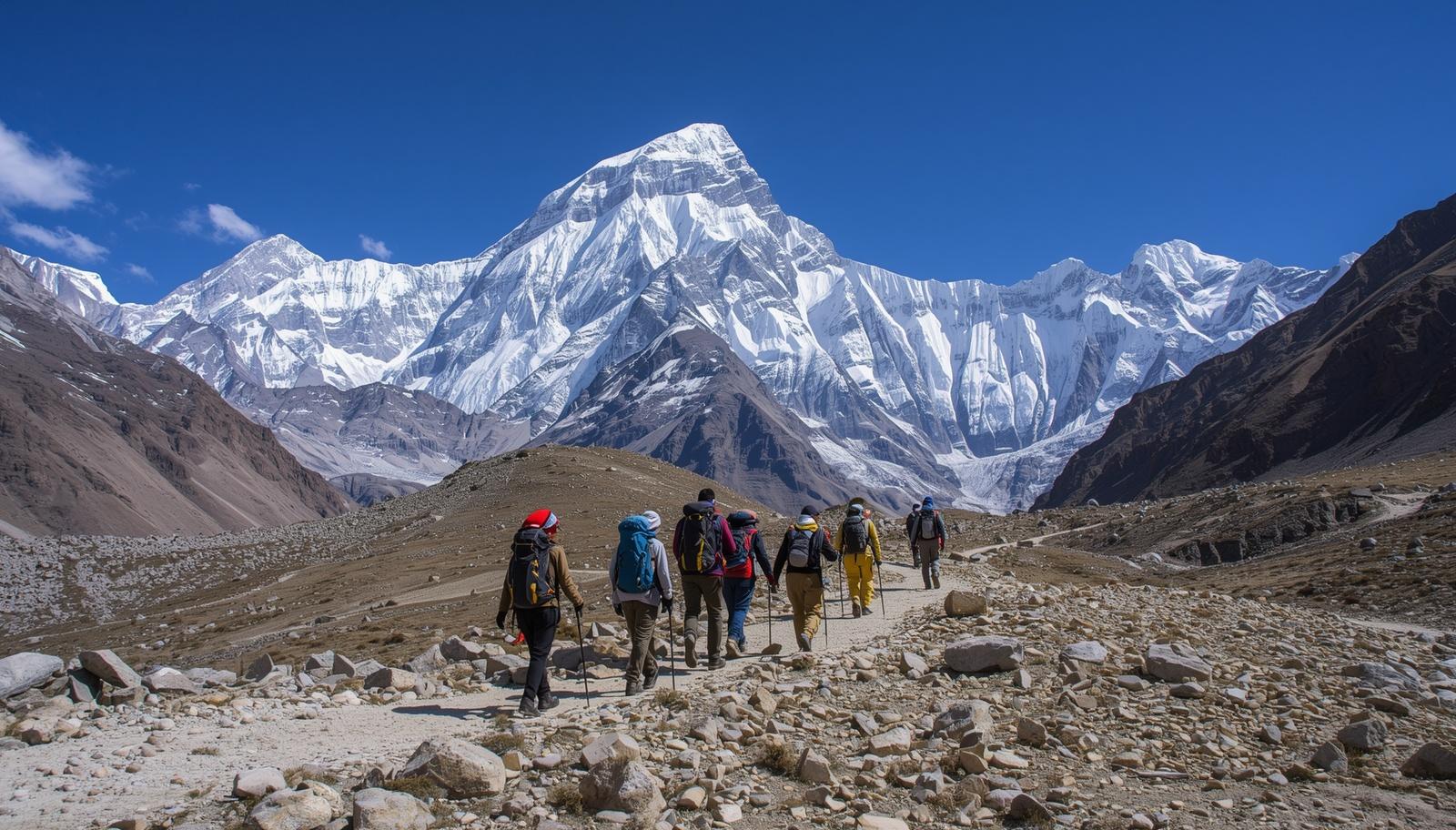
Top 10 Himalayan Trekking Routes in Nepal: The Ultimate Guide for All Skill Levels:
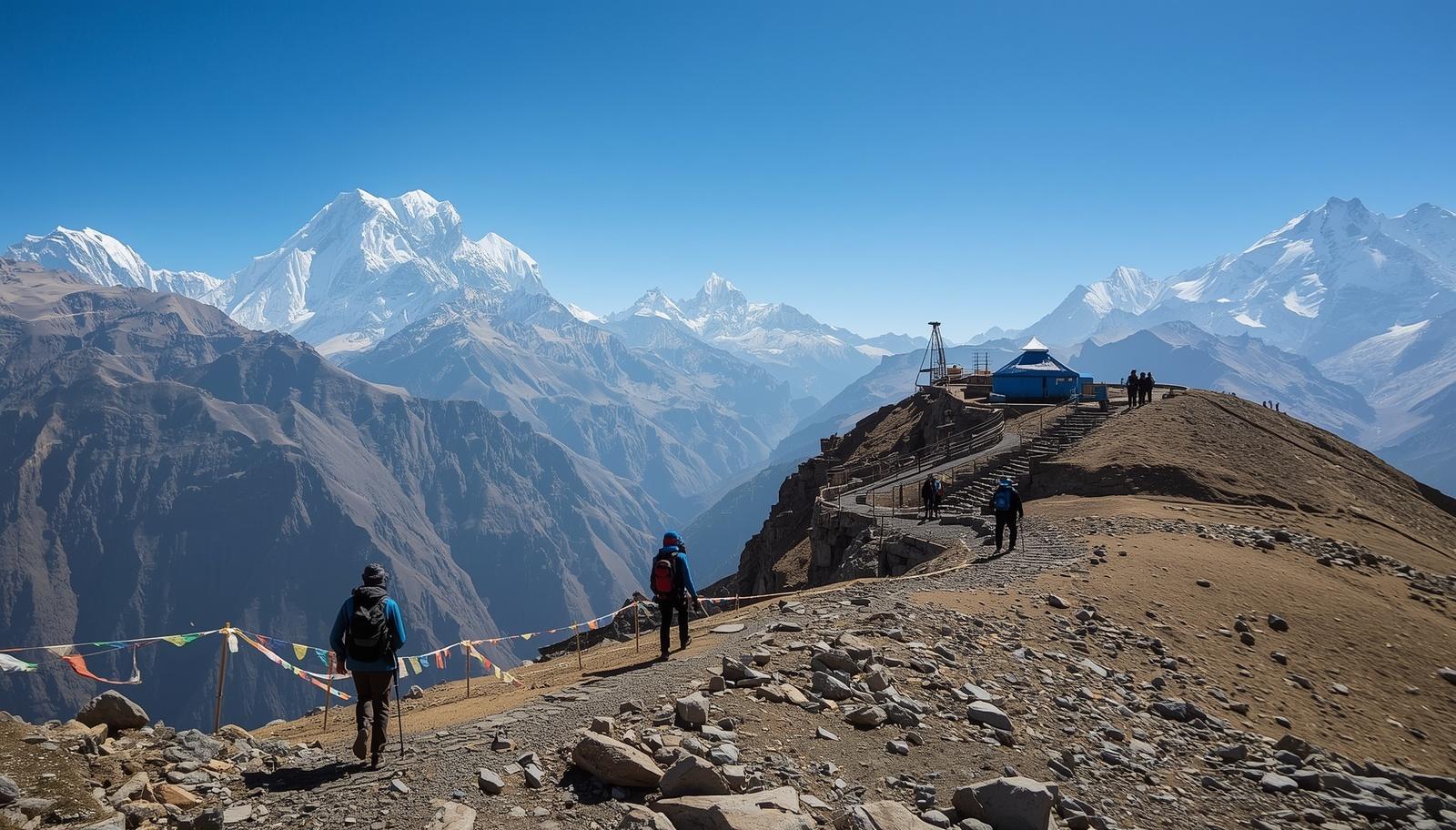
When it comes to the Top 10 Himalayan Trekking Routes in Nepal, few destinations on Earth match the raw beauty, cultural richness, and sheer adventure awaiting in the shadow of the world’s highest peaks. Nepal — home to eight of the world’s fourteen 8,000-meter mountains — offers Himalayan trekking routes in Nepal that cater to every skill level, from first-time trekkers seeking gentle hillside walks to seasoned adventurers pursuing challenging high-altitude expeditions.
In this comprehensive guide, we explore the top 10 Himalayan trekking routes in Nepal, providing detailed insights into what makes each trek unique, what to expect on the trail, and how to prepare for the adventure of a lifetime. Whether you’re dreaming of standing at Everest Base Camp, crossing the legendary Thorong La Pass on the Annapurna Circuit, or discovering hidden valleys known only to a few, this ultimate guide has everything you need.
Why Nepal is the Ultimate Destination for Himalayan Trekking Routes:
The Himalayan trekking routes in Nepal are legendary for several compelling reasons. Nepal hosts an unparalleled concentration of the world’s highest mountains, including Mount Everest (8,848.86 m), making it the ultimate playground for mountain enthusiasts. The country’s diverse geography means trekkers experience subtropical forests, alpine meadows, barren high-altitude deserts, and glaciated valleys — all within a single trek.
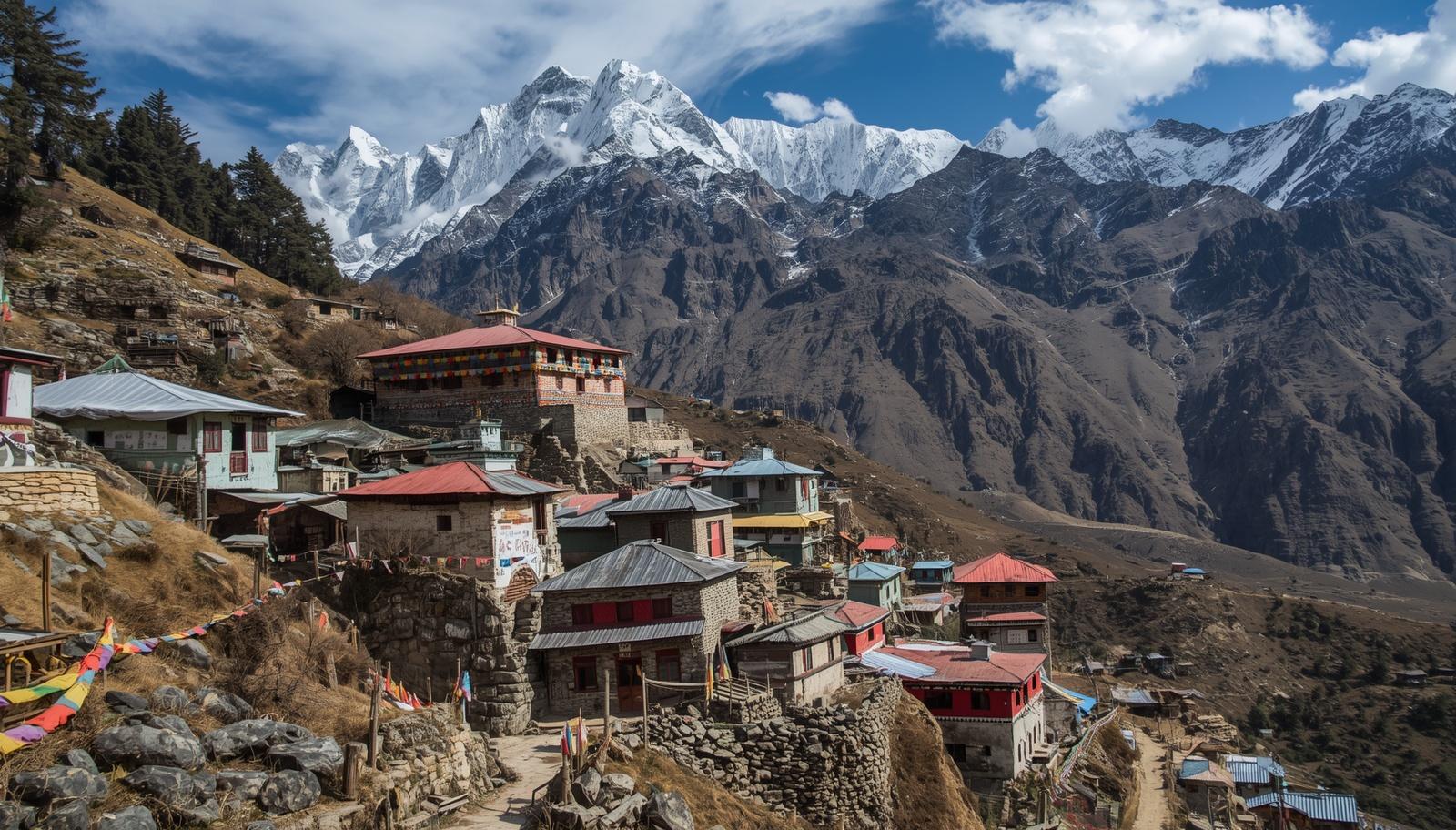
Beyond the natural splendor, Nepal’s rich cultural tapestry adds profound depth to every Himalayan trekking route in Nepal. You’ll walk through ancient Sherpa, Gurung, Tamang, and Tibetan Buddhist communities, visit centuries-old monasteries, and experience hospitality refined over generations. The well-established teahouse system along most major routes means you can trek comfortably without carrying camping equipment, making these adventures accessible to a broader range of travelers.
According to the Nepal Tourism Board, trekking is the country’s most popular tourist activity. The top 10 Himalayan trekking routes in Nepal have become increasingly accessible with improved infrastructure, better teahouses, and professional guiding services — yet they retain their wild, authentic character.
Best Time to Experience Himalayan Trekking Routes in Nepal:
Choosing the right season is crucial for experiencing the Himalayan trekking routes in Nepal at their best. The two prime seasons are:
Spring (March to May)
Spring is one of the most beautiful times for Himalayan trekking in Nepal. Rhododendron forests burst into vibrant blooms of red, pink, and white, creating stunning natural displays along the trails. Temperatures are moderate, with clear morning views giving way to afternoon clouds.
Autumn (September to November)
Autumn is the peak season for trekking routes in Nepal — and for good reason. The post-monsoon period offers crystal-clear skies, stable weather, and the best mountain visibility of the year. This is the ideal time for high-altitude routes like Everest Base Camp and the Manaslu Circuit.
Winter and Monsoon Considerations:
Winter (December to February) sees fewer crowds, but high passes may be closed. Lower-altitude treks like Poon Hill remain accessible. The monsoon (June to August) brings heavy rainfall to most regions, though rain-shadow areas like Upper Mustang remain accessible year-round.
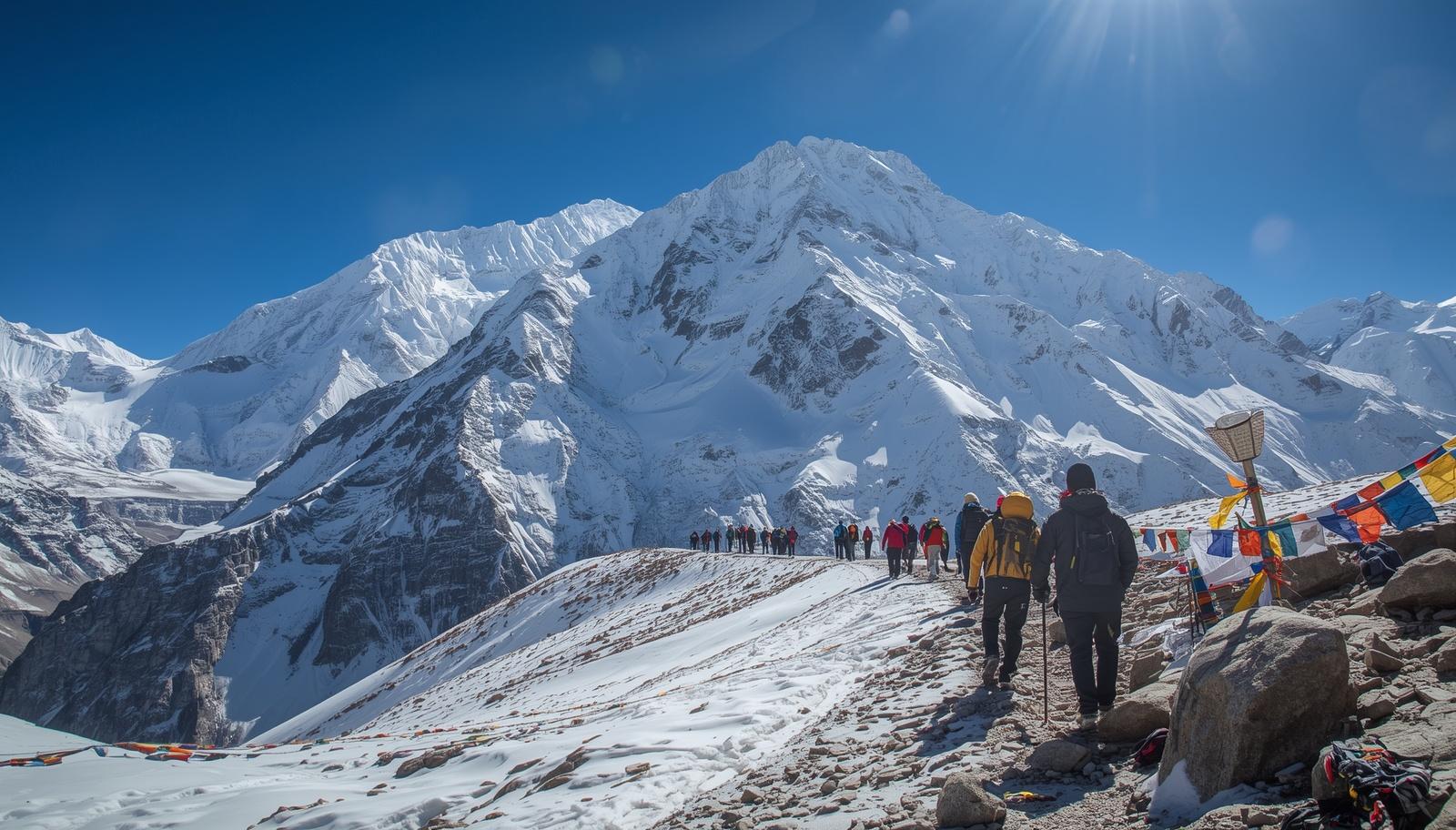
Quick Comparison: Top 10 Himalayan Trekking Routes in Nepal:
| # | Trek Name | Duration | Max Altitude | Difficulty | Best For |
|---|---|---|---|---|---|
| 1 | Everest Base Camp | 12–14 days | 5,644 m | Moderate–Hard | Iconic experience |
| 2 | Annapurna Circuit | 15–20 days | 5,416 m | Moderate–Hard | Diverse landscapes |
| 3 | Annapurna Base Camp | 7–12 days | 4,130 m | Moderate | Mountain panoramas |
| 4 | Manaslu Circuit | 14–18 days | 5,160 m | Challenging | Off-the-beaten-path |
| 5 | Langtang Valley | 7–10 days | 4,984 m | Moderate | Near Kathmandu |
| 6 | Gokyo Lakes | 12–15 days | 5,357 m | Moderate–Hard | Scenic lakes & views |
| 7 | Upper Mustang | 12–14 days | 3,840 m | Moderate | Cultural immersion |
| 8 | Poon Hill | 4–5 days | 3,210 m | Easy–Moderate | Beginners & families |
| 9 | Kanchenjunga | 20–25 days | 5,143 m | Strenuous | Remote wilderness |
| 10 | Mardi Himal | 5–7 days | 4,500 m | Moderate | Quick Himalayan fix |
1. Everest Base Camp Trek – The World’s Most Iconic Route:

The Everest Base Camp Trek stands as the crown jewel of all top 10 Himalayan trekking routes in Nepal. This legendary trek takes you to the base of the world’s highest mountain at 5,364 meters, following in the footsteps of Edmund Hillary and Tenzing Norgay Sherpa.
- Duration: 12–14 days
- Maximum Altitude: 5,644 m (Kala Patthar)
- Difficulty: Moderate to Challenging
- Best Season: March–May, September–November
- Starting Point: Lukla (flight from Kathmandu)
Along this iconic Himalayan trekking route in Nepal, you’ll experience vibrant Sherpa culture in Namche Bazaar, Tengboche, and Dingboche. You’ll visit the famous Tengboche Monastery, witness spectacular sunrises over Everest from Kala Patthar, and walk across swaying suspension bridges draped in prayer flags.
The trek provides unparalleled views of four 8,000-meter peaks: Everest, Lhotse, Makalu, and Cho Oyu, along with dozens of other towering summits. For comprehensive planning, visit The Nepal Trekking Company’s Everest Base Camp guide.
2. Annapurna Circuit Trek – The Classic Himalayan Adventure:

Often hailed as the world’s greatest trek, the Annapurna Circuit is a Himalayan trekking route in Nepal that has captivated adventurers for decades. It takes you through an incredible variety of landscapes — from subtropical valleys to the high-altitude desert around Thorong La Pass.
- Duration: 15–20 days
- Maximum Altitude: 5,416 m (Thorong La Pass)
- Difficulty: Moderate to Challenging
- Best Season: March–May, September–November
- Starting Point: Besisahar or Dharapani
This Himalayan trekking route circles the entire Annapurna Massif, providing 360-degree mountain panoramas. You’ll pass through traditional Gurung and Thakali villages, each with distinct cultures and cuisines. The crossing of Thorong La Pass at 5,416 meters is a major achievement and a defining moment among all top 10 Himalayan trekking routes in Nepal.
3. Annapurna Base Camp Trek – Journey to the Sanctuary:

The Annapurna Base Camp Trek is one of the most rewarding Himalayan trekking routes in Nepal for those seeking dramatic mountain scenery without extreme altitude challenges. This trek leads you deep into the Annapurna Sanctuary, a glacial basin surrounded by a spectacular amphitheater of towering peaks.
- Duration: 7–12 days
- Maximum Altitude: 4,130 m
- Difficulty: Moderate
- Best Season: March–May, September–November
- Starting Point: Nayapul (1.5 hrs from Pokhara)
At Annapurna Base Camp, you stand in a natural amphitheater surrounded by giants: Annapurna I (8,091 m), Annapurna South, Hiunchuli, and the sacred Machapuchare (Fishtail) peak. The 360-degree sunrise panorama from ABC is one of the most breathtaking sights among all top 10 Himalayan trekking routes in Nepal.
4. Manaslu Circuit Trek – The Hidden Himalayan Gem.

For trekkers seeking an authentic, less-crowded alternative, the Manaslu Circuit Trek is one of the finest Himalayan trekking routes in Nepal. Circling the world’s eighth-highest mountain, Manaslu (8,163 m), this restricted-area trek offers pristine natural beauty and rich Tibetan Buddhist culture.
- Duration: 14–18 days
- Maximum Altitude: 5,160 m (Larkya La Pass)
- Difficulty: Challenging
- Best Season: March–May, September–November
- Special Requirements: Restricted area permit, minimum 2 trekkers
The restricted-area status has helped preserve both the environment and traditional cultures along this route. The spectacular Larkya La Pass offers panoramic views of Manaslu, Himlung Himal, Cheo Himal, and Annapurna II. For details, visit The Nepal Trekking Company’s Manaslu Circuit page.
5. Langtang Valley Trek – Close to Kathmandu, Close to Heaven.

The Langtang Valley Trek is one of the most accessible top 10 Himalayan trekking routes in Nepal, located just north of Kathmandu. Despite being close to the capital, this trek offers stunning mountain scenery, rich Tamang culture, and a genuine wilderness experience.
- Duration: 7–10 days
- Maximum Altitude: 4,984 m (Tserko Ri) or 3,800 m (Kyanjin Gompa)
- Difficulty: Moderate
- Best Season: March–May, September–November
- Starting Point: Syabrubesi (7–8 hrs from Kathmandu)
The trek ascends through Langtang National Park, home to red pandas, Himalayan black bears, and over 250 bird species. The cultural highlight is Kyanjin Gompa, an ancient Buddhist monastery at high altitude. Rebuilt after the 2015 earthquake, this resilient community welcomes trekkers with open arms.
6. Gokyo Lakes Trek – Turquoise Wonders of the Everest Region.

The Gokyo Lakes Trek offers a spectacular alternative to the standard Everest Base Camp route and ranks among the most scenic Himalayan trekking routes in Nepal. This trek takes you to a series of pristine turquoise glacial lakes in the heart of the Khumbu region.
- Duration: 12–15 days
- Maximum Altitude: 5,357 m (Gokyo Ri)
- Difficulty: Moderate to Challenging
- Best Season: March–May, September–November
- Starting Point: Lukla
From Gokyo Ri you can see four of the world’s six highest mountains: Everest, Lhotse, Makalu, and Cho Oyu, plus the massive Ngozumpa Glacier — the longest in the Himalayas. Many trekkers combine this with Everest Base Camp via the Cho La Pass, creating one of the most comprehensive top 10 Himalayan trekking routes in Nepal experiences possible.
7. Upper Mustang Trek – The Last Forbidden Kingdom.

The Upper Mustang Trek stands apart from all other top 10 Himalayan trekking routes in Nepal due to its unique Tibetan Buddhist culture and otherworldly desert landscapes. Once a restricted kingdom that only opened to foreigners in 1992, Upper Mustang offers a journey back in time to a medieval Tibetan Buddhist civilization.
- Duration: 12–14 days
- Maximum Altitude: 3,840 m (Lo Manthang)
- Difficulty: Moderate
- Best Season: March–November (including monsoon)
- Special Requirements: Restricted area permit
The landscape resembles the Tibetan Plateau — arid, windswept, painted in shades of ochre, rust, and grey. The medieval walled city of Lo Manthang has remained virtually unchanged for centuries. Because it lies in the rain shadow of the Annapurna and Dhaulagiri ranges, this is one of the few Himalayan trekking routes in Nepal that can be trekked during the monsoon season.
8. Poon Hill Trek – Perfect for Beginners.

The Poon Hill Trek is the ideal introduction to Himalayan trekking routes in Nepal for beginners, families, and those with limited time. This short but spectacular trek in the Annapurna region offers magnificent mountain views and cultural experiences without demanding extreme fitness or high-altitude acclimatization.
- Duration: 4–5 days
- Maximum Altitude: 3,210 m (Poon Hill)
- Difficulty: Easy to Moderate
- Best Season: October–April (March–April for rhododendrons)
- Starting Point: Nayapul (1.5 hrs from Pokhara)
The pre-dawn climb to Poon Hill reveals a breathtaking 360-degree panorama of over 20 peaks above 6,000 meters. In spring, the rhododendron forests burst into magnificent bloom, creating tunnels of vibrant red, pink, and white flowers — making it one of the most photogenic of all top 10 Himalayan trekking routes in Nepal.
9. Kanchenjunga Base Camp Trek – Remote Wilderness Adventure:

The Kanchenjunga Base Camp Trek is one of the most remote and challenging of all top 10 Himalayan trekking routes in Nepal, taking adventurous trekkers to the base of the world’s third-highest mountain, Kanchenjunga (8,586 m).
- Duration: 20–25 days
- Maximum Altitude: 5,143 m
- Difficulty: Challenging to Strenuous
- Best Season: March–May, September–November
- Special Requirements: Restricted area permit, minimum 2 trekkers
This Himalayan trekking route passes through villages inhabited by Limbu, Rai, Sherpa, and Tibetan communities. The Kanchenjunga Conservation Area protects red pandas, snow leopards, and Himalayan black bears. The region sees far fewer trekkers than Everest or Annapurna, meaning you’ll often have trails and viewpoints entirely to yourself.
10. Mardi Himal Trek – The Rising Star of Nepal Trekking:

The Mardi Himal Trek is one of the newest and most exciting Himalayan trekking routes in Nepal. Officially opened in 2012, this trek in the Annapurna region has quickly gained popularity among trekkers seeking spectacular mountain views, fewer crowds, and pristine trail conditions.
- Duration: 5–7 days
- Maximum Altitude: 4,500 m (Mardi Himal Base Camp)
- Difficulty: Moderate
- Best Season: March–May, September–November
- Starting Point: Kande or Phedi (30 mins from Pokhara)
The trail ascends through pristine rhododendron and oak forests, emerging above the treeline to high alpine meadows with jaw-dropping views of Machapuchare, Annapurna South, and Hiunchuli. In just 5–7 days, you can reach base camp and return to Pokhara — making it one of the most time-efficient top 10 Himalayan trekking routes in Nepal for serious mountain views.
Essential Preparation for Himalayan Trekking Routes in Nepal:
Successfully completing any of these top 10 Himalayan trekking routes in Nepal requires proper preparation across three key areas:
Physical Fitness:
Start training at least 2–3 months before your trek. Focus on cardiovascular exercise (hiking, running, cycling) 4–5 times per week, stair climbing with a weighted backpack, leg strengthening (squats, lunges), and core stability work.
Mental Preparation:
Long days of walking, basic accommodation, and high altitude test mental resilience. Prepare yourself for multiple consecutive days of 5–7 hours of trekking, simple teahouse meals, possible altitude discomfort, and variable weather.
Research and Expert Support:
Thoroughly research your chosen Himalayan trekking route in Nepal. Consider joining a reputable agency like The Nepal Trekking Company for expert guidance, safety support, and logistics.
Trekking Permits and Regulations:
Most top 10 Himalayan trekking routes in Nepal require one or more of the following permits:
| Permit Type | Applicable Treks | Where to Obtain |
|---|---|---|
| TIMS Card | Most standard treks | Nepal Tourism Board, Kathmandu/Pokhara |
| National Park Permit | Everest, Langtang, etc. | Park entrance gates or agency |
| Conservation Area Permit | Annapurna, Manaslu | Nepal Tourism Board or agency |
| Restricted Area Permit | Upper Mustang, Manaslu, Kanchenjunga | Registered trekking agency only |
For comprehensive permit and visa information, consult the Nepal Immigration Department.
Altitude Sickness and Safety on Himalayan Trekking Routes:
Recognizing AMS Symptoms:
Watch for headache, nausea, loss of appetite, fatigue, dizziness, difficulty sleeping, and shortness of breath during exertion — especially above 3,000 m on any of the top 10 Himalayan trekking routes in Nepal.
Prevention Strategies:
Ascend gradually (no more than 300–500 m per day above 3,000 m), drink 3–4 liters of water daily, take scheduled rest days, follow the “climb high, sleep low” principle, avoid alcohol and tobacco, and consult your doctor about Diamox (acetazolamide).
Emergency Preparedness:
Always carry comprehensive travel insurance that covers helicopter evacuation. Ensure your guide carries a communication device and knows evacuation procedures. Helicopter rescue services are available from Lukla, Jomsom, and Syabrubesi on most popular routes.
What to Pack for Himalayan Trekking Routes in Nepal:
Clothing
Moisture-wicking base layers, insulating mid-layers (fleece or down jacket), waterproof outer shell jacket and pants, trekking pants, warm hat, sun hat, buff/neck gaiter, liner and warm outer gloves, and multiple pairs of wool trekking socks.
Footwear
Broken-in waterproof trekking boots with ankle support are essential for all Himalayan trekking routes in Nepal. Bring camp sandals and gaiters for snow and rain protection.
Equipment
A 40–50 litre backpack, sleeping bag rated to at least -10°C for high-altitude routes, trekking poles, headlamp with spare batteries, 2-litre water capacity, water purification tablets, UV-protective sunglasses, SPF 50+ sunscreen and lip balm.
Documents & Essentials
Passport, all required permits, adequate cash (many areas don’t accept cards), first aid kit with altitude medication, and travel insurance documents.
Conclusion: Choose Your Perfect Himalayan Trekking Route in Nepal:
The top 10 Himalayan trekking routes in Nepal offer unparalleled diversity, breathtaking beauty, and transformative experiences for trekkers of all skill levels. From the iconic Everest Base Camp trek to the remote wilderness of Kanchenjunga, from the cultural treasures of Upper Mustang to the accessible beauty of Poon Hill, Nepal’s Himalayan trekking routes provide something for everyone.
For beginners, the Poon Hill Trek or Mardi Himal Trek offer accessible introductions. Intermediate trekkers will love Annapurna Base Camp or Langtang Valley. Experienced adventurers seeking major challenges will find their match on the Everest Base Camp, Annapurna Circuit, Manaslu Circuit, or Kanchenjunga treks.
Whatever Himalayan trekking route in Nepal you choose, proper preparation, respect for local cultures, and environmental responsibility will ensure your trek is safe, enjoyable, and sustainable. Ready to start planning? Contact The Nepal Trekking Company today.
Frequently Asked Questions About the Top 10 Himalayan Trekking Routes in Nepal:
What is the best Himalayan trekking route in Nepal for beginners?
The Poon Hill Trek is widely considered the best Himalayan trekking route in Nepal for beginners. With a maximum altitude of just 3,210 m, excellent teahouse facilities, and a duration of only 4–5 days, it offers spectacular mountain views without extreme physical demands. The Mardi Himal Trek and Langtang Valley Trek are also excellent beginner choices.
How much does it cost to trek the Himalayan routes in Nepal?
Costs vary significantly. Budget treks like Poon Hill cost $300–500 total, while premium guided Everest Base Camp treks range from $1,200–2,500. Restricted area treks like Upper Mustang and Manaslu are more expensive due to higher permit fees ($500–700 just for permits).
Do I need a guide for trekking in Nepal?
For popular Himalayan trekking routes in Nepal like EBC and Annapurna, a guide is highly recommended but not always legally required. For restricted areas (Upper Mustang, Manaslu, Kanchenjunga), hiring a guide through a registered agency is mandatory.
What permits are required for the top 10 Himalayan trekking routes in Nepal?
Most treks require a TIMS Card and a National Park or Conservation Area permit. Restricted-area treks (Upper Mustang, Manaslu, Kanchenjunga) require additional, more expensive permits arranged through a registered trekking agency.
Can I trek during the monsoon season?
Most Himalayan trekking routes in Nepal are not ideal during monsoon (June–August) due to heavy rain and reduced visibility. However, rain-shadow areas like Upper Mustang and Dolpo remain excellent year-round and are particularly popular during monsoon.
Is Nepal safe for solo female trekkers?
Nepal is generally very safe for solo female travelers on established Himalayan trekking routes. Popular routes have constant foot traffic and well-established teahouse networks. Hiring a guide is recommended for added safety, navigation assistance, and cultural mediation.
Ready to Start Your Himalayan Adventure?
Join thousands of satisfied trekkers who have explored the top 10 Himalayan trekking routes in Nepal with The Nepal Trekking Company. Our expert local guides, carefully crafted itineraries, and commitment to safety make us your ideal partner.
Contact us today for a free consultation and customized itinerary!