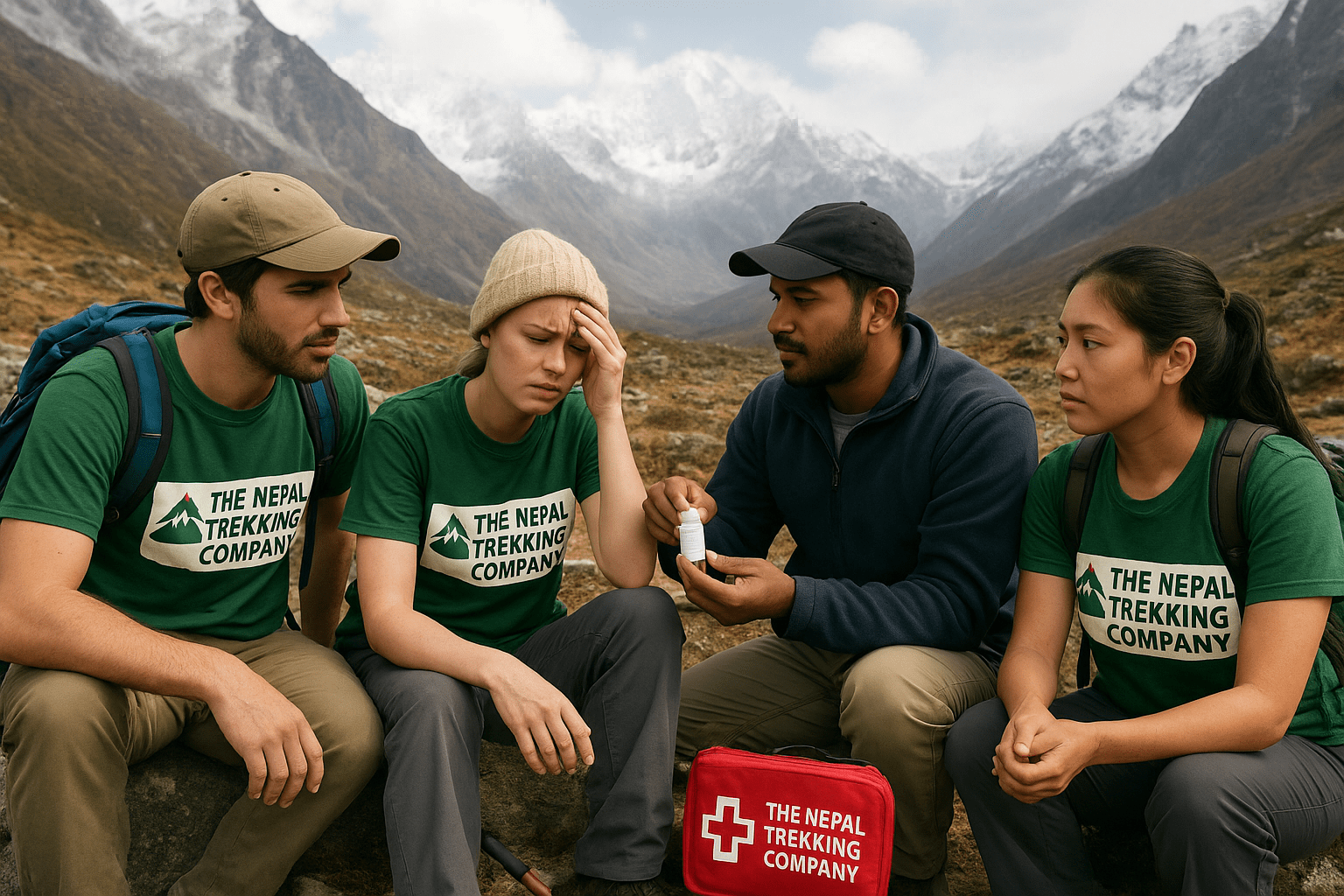

Introduction: Why Acclimatization Matters in the Himalayas.
Trekking in the Himalayas is a dream for many adventurers. Towering peaks, breathtaking valleys, and rich cultural experiences make Nepal the ultimate trekking destination. But before you lace up your boots, one thing is crucial: knowing how to acclimatize in the Himalayas.
Acclimatization is the process by which your body adapts to high altitude, lower oxygen levels, and changing conditions. Without proper preparation, trekkers may face Acute Mountain Sickness (AMS), which can ruin the adventure or even become life-threatening.
In this blog, we’ll share 7 proven and practical tips that will help you stay healthy, enjoy your trek, and confidently conquer the Himalayas.
Table of Contents
What is Acclimatization in the Himalayas?

Acclimatization is your body’s natural adjustment to high altitude. At sea level, oxygen concentration is around 21%, but as you ascend above 3,000 meters in the Himalayas, the oxygen level drops significantly. This reduced oxygen can cause:
- Headaches
- Nausea
- Fatigue
- Difficulty sleeping
Without proper acclimatization, these symptoms may progress into serious altitude illnesses like HAPE (High-Altitude Pulmonary Edema) or HACE (High-Altitude Cerebral Edema).
That’s why every trekker must learn how to acclimatize in the Himalayas for a safe journey.
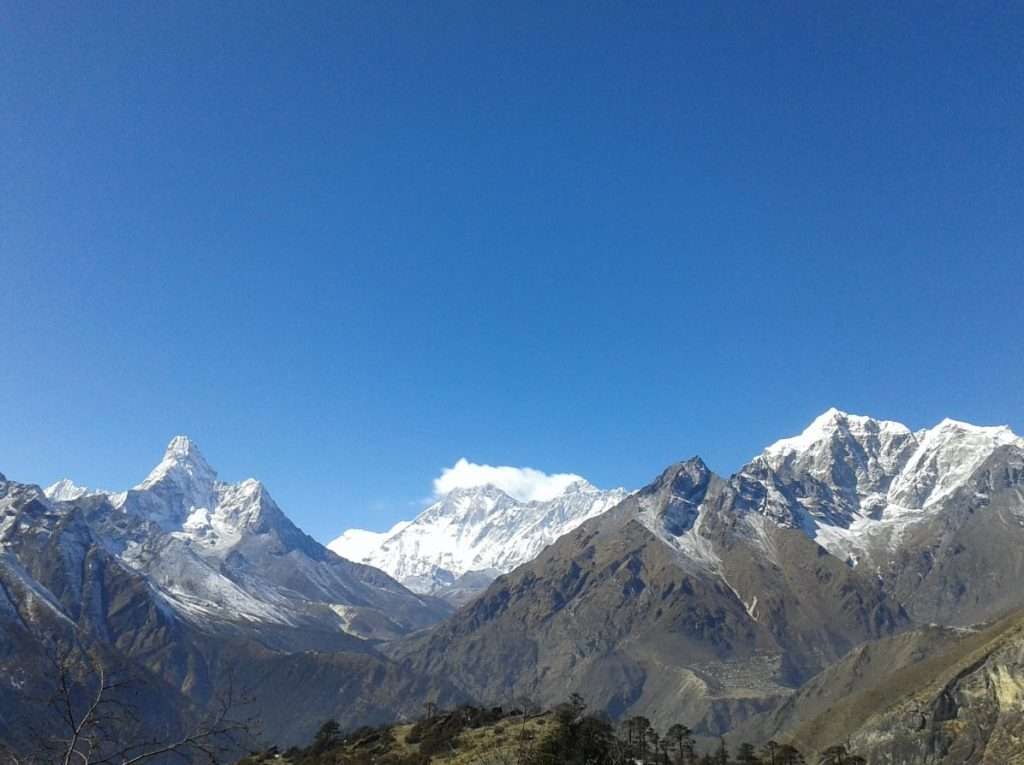
Why Is Acclimatization Important?
The Himalayas aren’t just tall—they’re extreme. Treks like Everest Base Camp (5,364m), Annapurna Circuit (5,416m at Thorong La Pass), or Manaslu Circuit (5,160m at Larkya La Pass) take you well above 3,000m.
Without acclimatization, your body struggles to cope with the altitude, which can end your trek early. But with the right strategies, you’ll:
✅ Minimize risk of altitude sickness
✅ Have more energy
✅ Enjoy your trek fully
✅ Safely reach your destination
7 Proven Tips to Acclimatize in the Himalayas
Tip 1: Ascend Slowly & Follow the “300–500m Rule”
The golden rule for Himalayan trekking: don’t climb too fast. Once you reach 3,000m, your daily sleeping altitude should increase by no more than 300–500 meters.
💡 Example: On the Everest Base Camp trek, guides plan the itinerary so you gradually ascend, allowing your body to adapt.
Tip 2: Stay Hydrated the Smart Way
Dehydration worsens altitude sickness. Aim for 3–4 liters of water daily. But avoid overhydrating, as that can cause hyponatremia (low sodium).
👉 Pro tip: Carry a reusable water bottle and add rehydration salts or electrolytes.
Tip 3: Eat Light, Eat Right
Your digestive system slows at altitude. Heavy, oily meals can make you feel worse. Instead, eat:
- Carbohydrate-rich foods (rice, pasta, potatoes)
- Fresh fruits and vegetables (when available)
- Warm soups
Carbs give your body the extra energy it needs to cope with thin air.
Tip 4: Follow the “Climb High, Sleep Low” Strategy
One of the best ways to acclimatize is to trek to a higher altitude during the day and return to sleep at a slightly lower camp.
💡 Example: In Namche Bazaar (3,440m), trekkers often hike to Everest View Hotel (3,880m) during the day, then return to Namche to sleep.
Tip 5: Take Rest & Acclimatization Days Seriously
Most Himalayan treks include rest days at certain altitudes. Don’t skip them! These days help your body adapt. Instead of just resting, do a short acclimatization hike nearby.
Tip 6: Avoid Alcohol & Smoking
Both alcohol and smoking reduce oxygen levels in your blood, which increases the risk of AMS. Stick to water, tea, and natural juices during your trek. Celebrate with a beer after you finish your trek, not during.
Tip 7: Listen to Your Body & Recognize Symptoms
Never ignore the early signs of altitude sickness:
- Headache
- Dizziness
- Nausea
- Shortness of breath
If symptoms worsen, descend immediately. Remember: the mountain will always be there; your health comes first.
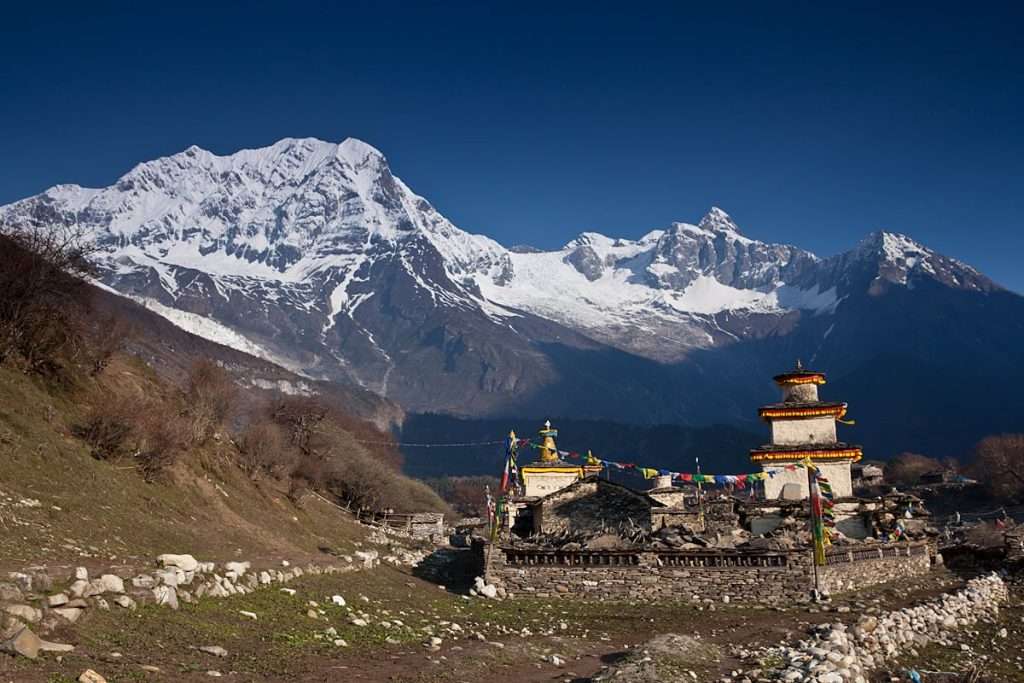
Common Mistakes Trekkers Make in Acclimatization
❌ Rushing the trek to save days
❌ Skipping acclimatization hikes
❌ Drinking alcohol at altitude
❌ Ignoring mild symptoms
Avoid these mistakes, and your trek will be safer and more enjoyable.
Medications & Natural Aids for Acclimatization.
Some trekkers use medication like Diamox (Acetazolamide) to prevent AMS. But it should only be taken after consulting a doctor.
Natural aids include:
- Garlic soup (popular in Nepalese tea houses)
- Ginger tea to improve digestion
- Herbal remedies used locally
Always prioritize natural acclimatization before relying on medication.
Final Thoughts: Trek Safely with The Nepal Trekking Company
Learning how to acclimatize in the Himalayas is the key to a safe and successful trek. With the right pace, hydration, diet, and awareness, you’ll not only avoid altitude sickness but also enjoy every breathtaking moment.
At The Nepal Trekking Company, we design our trekking itineraries with acclimatization in mind. Our expert guides ensure your journey is safe, comfortable, and unforgettable.
👉 Ready to trek the Himalayas with confidence? Contact The Nepal Trekking Company and let’s plan your adventure today!
🌄 What Trekkers Say
“The Nepal Trekking Company guided me on exactly how to acclimatize in the Himalayas. Their tips worked perfectly, and I never faced altitude issues during my trek.”
“Before my Everest Base Camp trek, I had no idea how to acclimatize in the Himalayas. Thanks to the expert team, I stayed healthy and enjoyed the adventure fully.”
“Learning how to acclimatize in the Himalayas gave me the confidence to trek higher without fear. I am so grateful for the practical guidance I received.”
“Altitude sickness was my biggest worry, but the team explained how to acclimatize in the Himalayas in a simple, effective way. It made my journey safe and enjoyable.”
“The most valuable lesson I got from The Nepal Trekking Company was how to acclimatize in the Himalayas. That knowledge turned my trek into a successful experience.”
“If you’re planning a trek, make sure you understand how to acclimatize in the Himalayas. I followed the advice and had an amazing, worry-free trip.”


Shwecasino, been hearin’ the buzz. Decided to check it out and not too bad. Interface is clean, and games are fun. Might be my new spot! shwecasino
Tried logging into 99abgamelogin the other day, was pretty smooth. No issues getting in, gameplay’s decent. Give it a shot if you’re looking for something new. Link here: 99abgamelogin
I downloaded a game from pk68gamedownload, and the install was quick and easy. Game runs well. Nothing crazy, but solid. Download them here: pk68gamedownload