Trekking in the majestic Himalayas is a dream for many adventurers. With snow-capped peaks, vibrant Sherpa culture, and breathtaking landscapes, it’s no wonder the region is called the “Roof of the World.” But one thing every trekker must prepare for is altitude sickness.
If ignored, altitude sickness can turn an incredible journey into a struggle. But with the right preparation and guidance, you can prevent it and fully enjoy your Himalayan adventure.
At The Nepal Trekking Company, we believe your comfort is the key to an unforgettable experience. That’s why we proudly say:
👉 “Your comfort is our summit of success — because every trek should feel like your own adventure.”
Now, let’s dive into the most effective altitude sickness tips in the Himalayas.
Table of Contents
🌍 What is Altitude Sickness?
Altitude sickness, also called Acute Mountain Sickness (AMS), happens when your body doesn’t get enough oxygen at high elevations. In the Himalayas, trekkers often cross altitudes above 3,000 meters, where oxygen levels drop significantly.
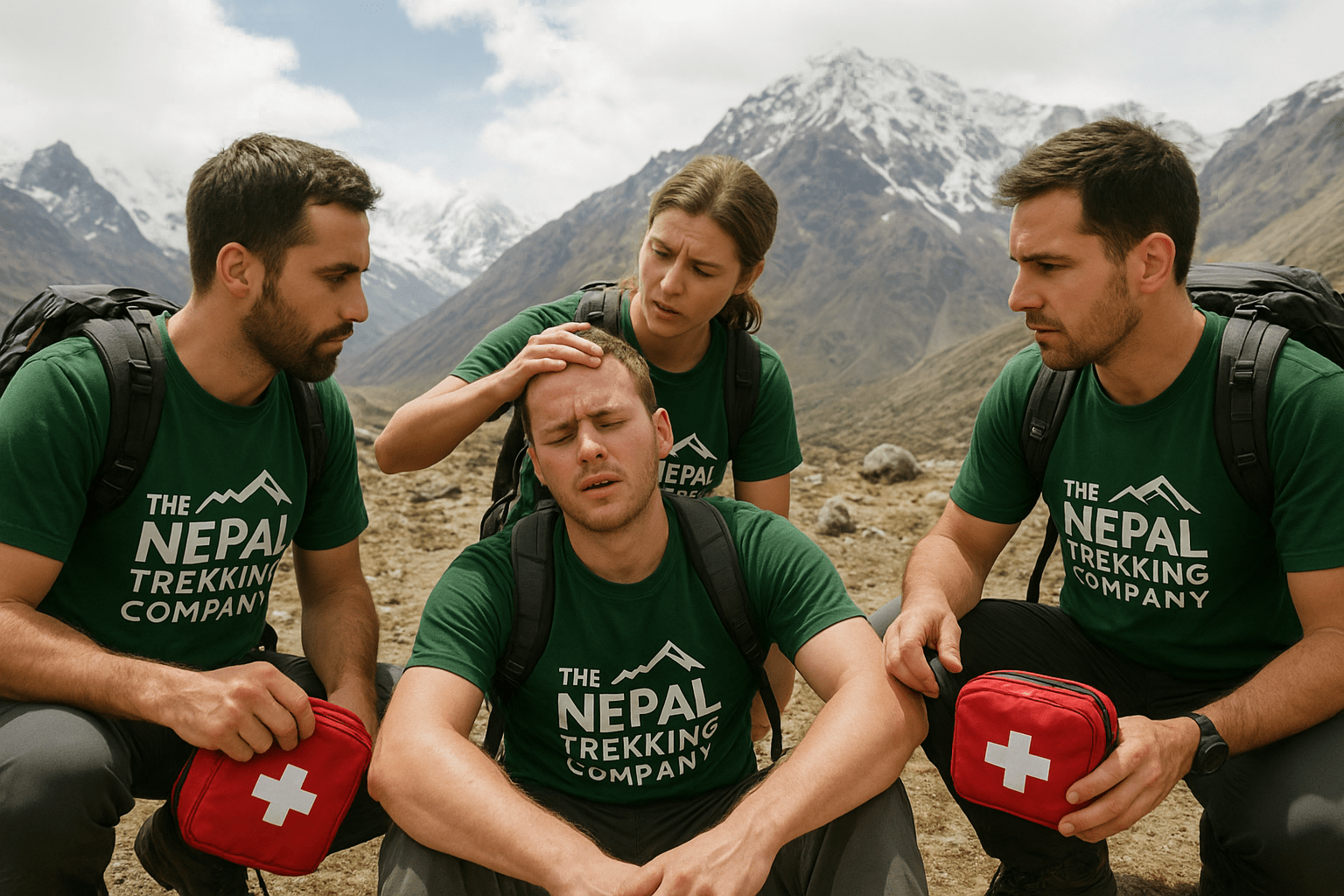
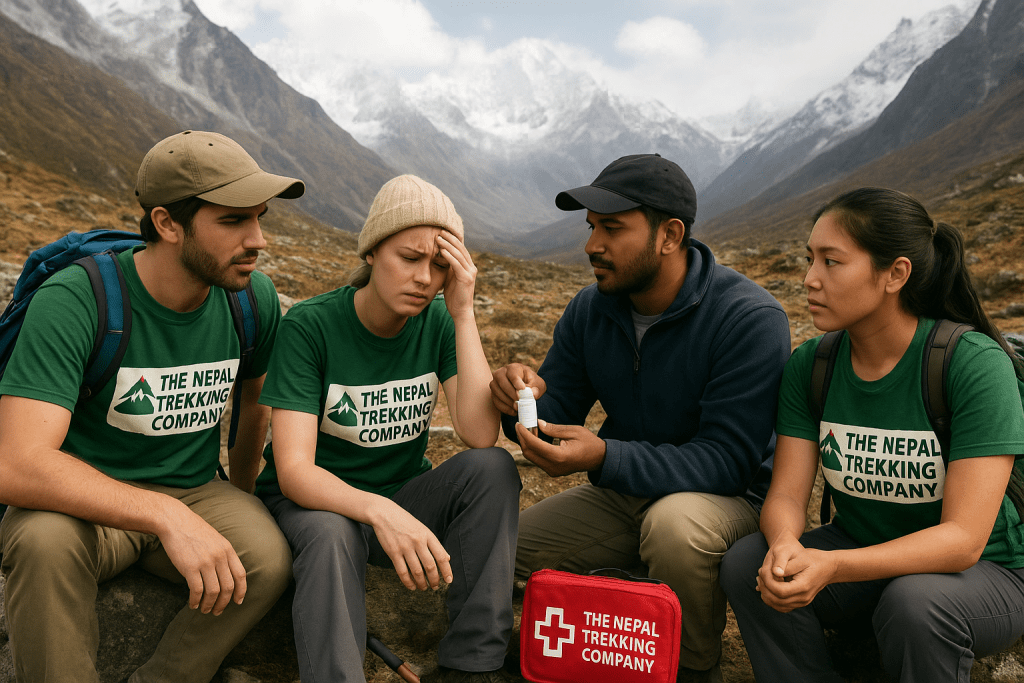
⚠️ Symptoms to Watch Out For
Recognizing symptoms early can make a big difference. Common signs include:
- Headache
- Dizziness
- Nausea or vomiting
- Loss of appetite
- Shortness of breath
- Fatigue
- Trouble sleeping
If symptoms worsen, it could lead to severe conditions like HAPE (High-Altitude Pulmonary Edema) or HACE (High-Altitude Cerebral Edema), which require immediate descent.
✅ 7 Essential Altitude Sickness Tips in the Himalayas
1. Ascend Slowly
One of the golden rules: “Climb high, sleep low.” Gain altitude gradually and give your body time to adapt. A safe pace is no more than 300–500 meters of sleeping elevation per day once above 3,000 meters.
2. Stay Hydrated
Dehydration increases the risk of altitude sickness. Drink 3–4 liters of water daily, and avoid too much caffeine. Carry a reusable water bottle and purifying tablets.
3. Eat Nutritious Meals
Fuel your body with energy-rich foods like rice, lentils, vegetables, and soup. Carbohydrate-heavy meals help with acclimatization.
4. Avoid Alcohol and Smoking
Alcohol and cigarettes reduce oxygen levels in your blood. Skip them at high altitudes to stay strong and energized.
5. Take Proper Rest Days
Schedule acclimatization days in places like Namche Bazaar or Dingboche on the Everest Base Camp trek. These breaks help your body adjust to thinner air.
6. Consider Diamox (with Medical Advice)
Some trekkers use Acetazolamide (Diamox) to reduce symptoms. Always consult a doctor before taking any medication.
7. Trek with Experts
The Himalayas demand knowledge and preparation. Trekking with a professional guide ensures your safety, proper pacing, and emergency support.

🧭 Why Altitude Sickness Happens in the Himalayas

The Himalayas are home to the world’s tallest peaks like Mount Everest, Annapurna, and Manaslu. The higher you climb, the thinner the air becomes, and your body struggles to adapt to reduced oxygen.
For example:
- At 3,000m, oxygen is about 68% of sea level.
- At 5,000m, it drops to around 50%.
- At 8,000m, it’s only 33%!
This dramatic change makes preparation essential.
💡 Bonus Safety Tips for High-Altitude Treks

- Always listen to your body.
- Trek with a buddy — never alone.
- Carry travel insurance that covers high-altitude trekking.
- Learn basic first aid.
- Keep warm with proper layers.
For more details, check trusted medical sources like CDC High Altitude Tips.
🛠️ Customize Your Trek With Us
At The Nepal Trekking Company, we know that no two trekkers are the same. That’s why we offer:
- Flexible itineraries
- Personalized acclimatization days
- Private guides and porters
- Tailored meal plans
👉 Because “Your comfort is our summit of success.”
Want to create your dream trek? Contact us here and let’s plan your personalized Himalayan adventure.
✨ Final Thoughts
The Himalayas are more than just mountains — they’re life-changing experiences. With the right altitude sickness tips in the Himalayas, you can trek safely, enjoy breathtaking views, and create unforgettable memories.
Remember: prevention is the best cure. Ascend slowly, stay hydrated, rest well, and always trek with experts.
At The Nepal Trekking Company, we’re here to make your journey safe, enjoyable, and uniquely yours.


