
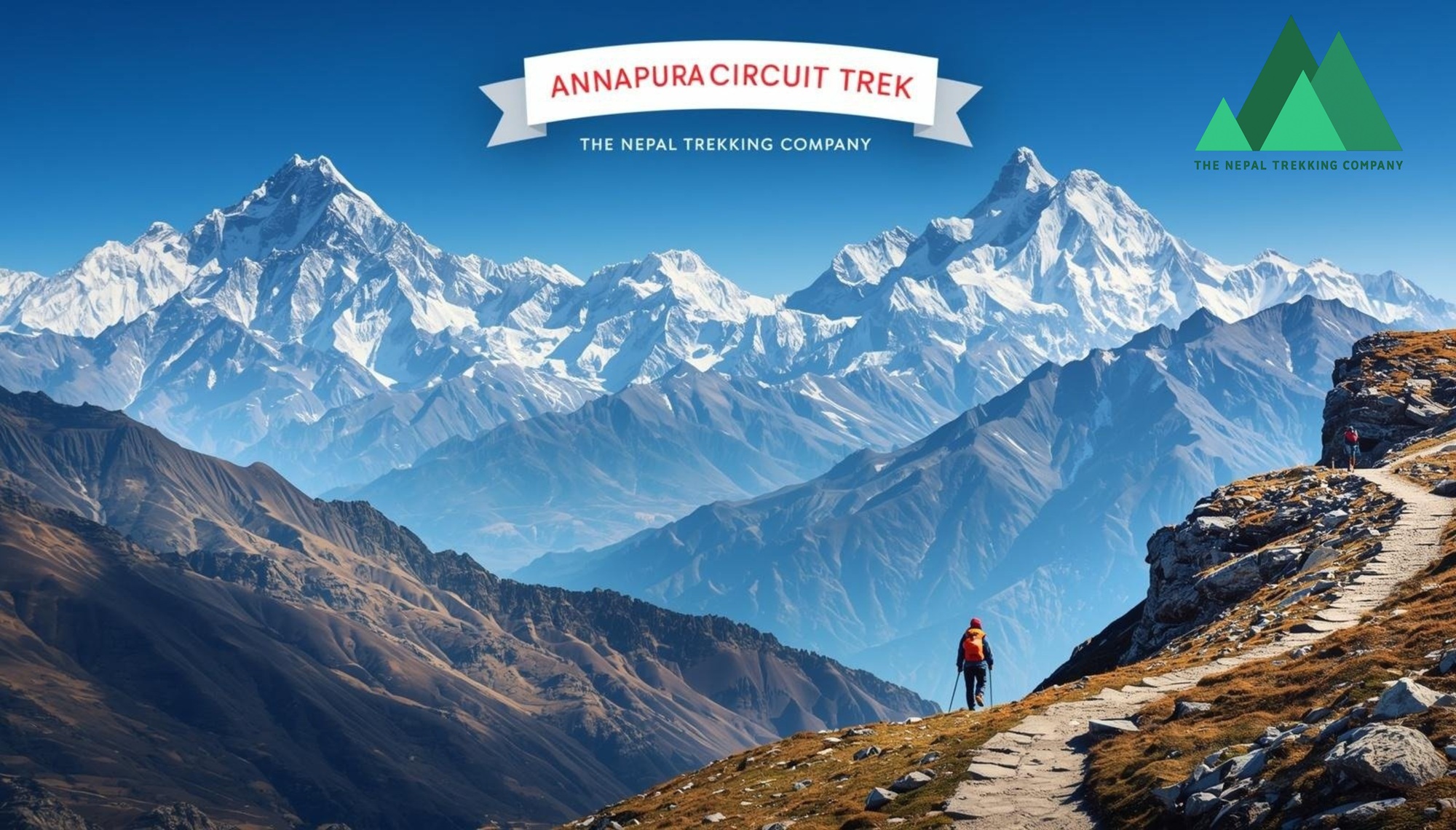
Dreaming of the Himalayas but short on time? The Short Annapurna Circuit Trek is your answer. In just 7 days, you can cross the legendary Thorong La Pass (5,416 m), witness jaw-dropping mountain vistas, and immerse yourself in authentic Nepali culture — all without taking a month off work.
In this complete 2026 guide, you’ll find everything: a day-by-day Annapurna 7-day itinerary, permit requirements, a realistic Annapurna circuit budget, packing list, and insider tips to make your trek unforgettable.
What Is the Short Annapurna Circuit Trek?
The classic Annapurna Circuit is a 160–230 km route that traditionally takes 14–21 days to complete. The Short Annapurna Circuit Trek is a condensed version that typically covers the most dramatic and high-altitude section of the route — from Besisahar (or Chame) to Muktinath — in approximately 7 to 10 days.
The Short Annapurna Circuit Trek starts from a higher elevation, thanks to jeep roads, trekkers skip the lower-elevation forested sections and jump straight into the alpine landscape. You still cross the iconic Thorong La Pass — the highest point of the circuit at 5,416 metres — and experience the full cultural richness of the Annapurna region, including Gurung villages, Tibetan-influenced settlements, and the sacred town of Muktinath.
This abbreviated version is perfect for working professionals, budget-conscious travellers, and first-time Himalayan trekkers who still want a genuine high-altitude adventure.
Why Choose the 7-Day Annapurna Trek?
The 7-day format has surged in popularity since road improvements made it possible to start deeper into the circuit. Here’s why so many trekkers now prefer it:
- Time-efficient: Ideal for travellers with 7–10 days in Nepal.
- Still crosses Thorong La: You don’t miss the crown jewel of the circuit.
- Lower cost: Fewer days mean a lower overall Annapurna circuit budget.
- Less crowded lower sections: The jeep road approach bypasses the busiest lower trails.
- Achievable fitness level: Suitable for moderately fit trekkers with proper acclimatisation.
“The short circuit gave me everything I came to Nepal for — mountains, monasteries, and a genuine sense of achievement — in a single week.” — Solo trekker, January 2026
Short Annapurna Circuit Trek: 7-Day Itinerary
This itinerary begins in Besisahar (760 m) and ends in Jomsom or Pokhara. Transport (jeep/bus) is used strategically to gain elevation faster and focus hiking time on the most scenic sections.
Day 1: Kathmandu / Pokhara → Besisahar → Chame (2,710 m)
Short Annapurna Circuit Trek
Take an early morning bus or private jeep from Pokhara to Besisahar (approx. 4 hrs), collect your TIMS card and ACAP permit here, then continue by jeep to Chame — the headquarters of Manang District. The road winds through rhododendron forests with your first views of Lamjung Himal. Arrive by afternoon, check into a teahouse, and rest for acclimatisation.
Altitude gain: 760 m → 2,710 m | Driving: ~7 hrs | Trekking: optional short walks around Chame
Day 2: Chame → Pisang (3,200 m)
Today’s trek is one of the most scenic of the entire circuit. The trail follows the Marsyangdi River through a dramatic gorge, past the beautiful Paungda Danda rock face, with stunning views of Annapurna II (7,937 m) and Pisang Peak. The trail climbs gradually to Upper Pisang, where you get your first sweeping views of the Annapurna range.
Distance: ~16 km | Trekking time: 5–6 hours | Altitude gain: ~490 m
Day 3: Pisang → Manang (3,500 m) — Acclimatisation Day
Trek from Pisang to Manang via the high route through Ghyaru and Ngawal for the best mountain views on the circuit. This is a longer but rewarding route past traditional Tibetan-style villages and mani walls. Spend the afternoon in Manang acclimatising — visit the Himalayan Rescue Association clinic for a free altitude sickness talk, explore the monastery, and take a short hike to Gangapurna Lake.
Distance: ~22 km (high route) | Trekking time: 6–7 hours | Max altitude: ~3,700 m
Day 4: Manang → Yak Kharka (4,018 m) or Ledar (4,200 m)
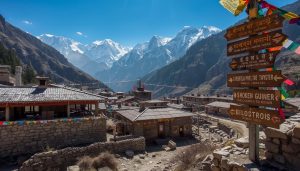
This is a critical acclimatisation day. The trail climbs steadily through yak pastures and sparse alpine vegetation. Vegetation becomes thinner, and the air noticeably crisper. Most trekkers stay in Yak Kharka or push on to Ledar. Drink plenty of water, eat light, and avoid alcohol. Sleep early — tomorrow is summit day.
Distance: ~10 km | Trekking time: 3–4 hours | Altitude gain: ~500–700 m
Day 5: Ledar → Thorong La Pass (5,416 m) → Muktinath (3,760 m)
This is the big day — the highlight of the entire Short Annapurna Circuit Trek. Start trekking by 4:00–5:00 AM to reach the pass before afternoon winds pick up. The ascent is steep but well-marked. Reaching Thorong La Pass rewards you with a prayer-flag-festooned summit and 360° views of the Himalayas.
The descent to Muktinath (1,600 m drop) takes around 3 hours and is hard on the knees — trekking poles are essential. In Muktinath, visit the sacred Vishnu temple, one of the holiest sites in Nepal and Tibet.
Distance: ~16 km | Trekking time: 8–10 hours | Start: 4 AM | Max altitude: 5,416 m
Day 6: Muktinath → Jomsom (2,720 m)
Enjoy a well-earned rest morning in Muktinath, then trek or take a jeep down to Jomsom — the main town of the Mustang District. Jomsom has an airport with daily flights to Pokhara (weather permitting). Explore the town, enjoy apple brandy (a local speciality), and celebrate completing the hardest section of the circuit.
Distance: ~18 km trek or 45-min jeep | Altitude drop: ~1,040 m
Day 7: Jomsom → Pokhara (by flight or jeep)
Fly from Jomsom to Pokhara (20 minutes) for spectacular aerial views of the Annapurna and Dhaulagiri ranges. Alternatively, take a jeep via the Kali Gandaki gorge road (~8–9 hours). Arrive in Pokhara and celebrate with a lakeside dinner — you’ve earned it!
Flight: USD 100–120 one-way | Jeep: ~NPR 1,500–2,000
Annapurna Circuit Budget 2026: Complete Cost Breakdown
Budgeting for the Short Annapurna Circuit Trek is one of the most common questions we receive: “How much does the Short Annapurna Circuit Trek actually cost?” Here’s an honest, up-to-date breakdown for 2026.
| Expense | Budget Estimate (USD) | Notes |
|---|---|---|
| ACAP Permit | $30 | Annapurna Conservation Area Project |
| TIMS Card | $20 | Trekkers’ Information Management System |
| Accommodation (7 nights) | $35–$70 | Teahouses: $5–$10/night; free if you eat there |
| Food & Drinks (7 days) | $100–$140 | $15–$20/day; prices increase at altitude |
| Transport (Pokhara–Besisahar–Chame) | $20–$40 | Bus or shared jeep |
| Jomsom–Pokhara Flight | $130–$160 | Or jeep ~$200 |
| Guide (optional) | $20–$35/day | Highly recommended for solo trekkers |
| Porter (optional) | $15–$25/day | Carry 15–25 kg; tips expected |
| Travel Insurance | $50–$100 | Helicopter rescue coverage essential |
| Miscellaneous (charging, WiFi, hot showers) | $20–$40 | $1–$3 per device charge; WiFi is inconsistent |
| TOTAL ESTIMATE | $375–$565 | Without a guide, add $140–$245 with a guide |
Budget tip: The biggest variable in your Annapurna circuit budget is whether you hire a guide and porter. The trek can be done independently with a good map and GPS app (Maps.me or Gaia GPS work offline), but a guide adds safety, local knowledge, and peace of mind — especially for the Thorong La crossing.
Permits & Fees for the Short Annapurna Circuit Trek (2026)
You need two mandatory permits to trek in the Annapurna region:
- ACAP (Annapurna Conservation Area Permit): NPR 3,000 (approx. USD 23–25) for SAARC nationals; NPR 4,000 (approx. USD 30) for others. Obtain from Kathmandu (Nepal Tourism Board) or Besisahar.
- TIMS Card (Trekkers’ Information Management System): USD 20 for independent trekkers; USD 10 if trekking through a registered agency. Available at Nepal Tourism Board offices in Kathmandu or Pokhara.
Both permits are checked at multiple checkpoints along the route, so keep them accessible at all times. Note: as of 2024, the Nepal government has discussed making guides mandatory on certain Himalayan routes — check the latest regulations before your trip via the Nepal Tourism Board website.
Best Time for the Short Annapurna Circuit Trek
The Annapurna region has two prime trekking seasons:
🍂 Autumn (September – November) — BEST SEASON
Post-monsoon skies are crystal clear, offering the most spectacular mountain views. Trails are well-maintained, and temperatures are comfortable. October is the busiest month, so book the teahouses in advance. This is the most recommended time for the 7-day Annapurna circuit.
🌸 Spring (March – May) — EXCELLENT
Rhododendron forests bloom in brilliant pinks and reds, creating a colourful trekking backdrop. Views are generally clear, though afternoons can bring cloud build-up. Slightly warmer than autumn at lower elevations.
❄️ Winter (December – February) — CHALLENGING
Thorong La Pass can be blocked by snow in December–January, making the crossing dangerous or impossible. Experienced trekkers with proper gear can attempt it, but it’s risky. Fewer crowds and lower prices are the main advantages.
🌧️ Monsoon (June – August) — NOT RECOMMENDED
Heavy rainfall causes leeches, trail damage, and poor visibility. Landslides are common. The Mustang region (rain shadow) remains open, but the full circuit is not advised.
Accommodation & Food on the Circuit
The Annapurna Circuit is one of the most well-served trekking routes in the world. You’ll find teahouses (locally called “bhattis”) in virtually every village along the route.
Accommodation
Teahouse rooms range from basic (twin wooden beds, shared bathroom) to surprisingly comfortable (attached bathroom, hot shower, even WiFi). Rooms are often free or subsidised if you eat your meals at the same teahouse — this is the local business model. Expect to pay NPR 300–800 (~$2.50–$6) per room per night.
Food
Nepali dal bhat (lentils, rice, vegetables, pickle) is the trekker’s staple — and for good reason. It’s unlimited, cheap (~NPR 500–700), nutritious, and provides sustained energy for long days. Other menu staples include:
- Tibetan bread with jam and peanut butter
- Momos (dumplings) — best in Manang
- Garlic soup (excellent for altitude)
- Pasta, pizza, and fried rice (increasing variety at larger towns)
- Yak cheese and fresh apple products in Mustang
Altitude pricing note: Food prices increase significantly above 3,500 m because all supplies are carried by porter or mule. Expect to pay 30–50% more in Manang and above compared to Chame.
What to Pack for the 7-Day Annapurna Circuit

Packing for the Short Annapurna Circuit Trek is critical for a 7-day high-altitude trek. Keep your pack under 10–12 kg (without porter) to avoid fatigue on the pass day.
Clothing
- Moisture-wicking base layers (merino wool preferred)
- Insulated mid-layer (down or synthetic jacket)
- Waterproof outer shell/rain jacket
- Trekking trousers (2 pairs) + shorts
- Warm hat, gloves, and buff/neck gaiter
- Sun hat and UV-protection sunglasses
- Warm sleeping socks + trekking socks (4–5 pairs)
- Camp shoes or sandals
Gear
- Quality trekking boots (broken in before the trek!)
- Trekking poles — essential for Thorong La descent
- 30–40 L daypack (if using a porter for main bag)
- Headlamp with extra batteries (4 AM pass starts require this)
- Sleeping bag rated to -10°C / 14°F
- Water bottles or hydration bladder (2L minimum)
- Water purification tablets or a filter
Health & Safety
- Altitude sickness medication (Diamox / acetazolamide — consult your doctor)
- First aid kit (blister plasters, ibuprofen, antiseptic)
- Sunscreen SPF 50+ and lip balm (UV radiation is intense at altitude)
- Rehydration salts
- Personal prescription medications
Documents & Money
- Passport (original) — required at checkpoints
- Trekking permits (ACAP + TIMS)
- Travel insurance documents with emergency contacts
- Cash in Nepali Rupees — ATMs are available in Besisahar and Chame; none after that
Insider Tips & Safety for the Short Annapurna Circuit
🗓️ Book Flights Early
Jomsom–Pokhara flights sell out fast in peak season and are frequently cancelled due to weather. Book at least 2 weeks in advance and always have a jeep a backup plan.
💧 Hydration Is Everything
Drink 3–4 litres of water daily, especially above 3,500 m. Dehydration accelerates altitude sickness. Avoid alcohol above 3,000 m — it dehydrates you and worsens AMS symptoms.
🏔️ Acclimatise Properly
The classic rule: “climb high, sleep low.” Never increase your sleeping altitude by more than 300–500 m per day above 3,000 m. The Manang rest day on Day 3 is not optional — it’s what makes Day 5 (Thorong La) safe and achievable.
📱 Download Offline Maps
Download the Annapurna Circuit on Maps.me or Gaia GPS before you leave Pokhara. Cell signal is patchy along the route (available in main towns). The Wikiloc app has community-verified GPX tracks for the circuit.
🔋 Power Management
Solar charging is available at most teahouses but costs NPR 100–300 per device. A small power bank (10,000 mAh) is worth its weight in gold on the pass day when your camera is working overtime.
🩺 Know the Signs of AMS
Acute Mountain Sickness (AMS) symptoms include headache, nausea, dizziness, and fatigue. If symptoms worsen — especially loss of coordination, severe breathlessness at rest, or confusion — descend immediately and seek medical help. The Himalayan Rescue Association clinic in Manang is a valuable resource.
Frequently Asked Questions
How difficult is the Short Annapurna Circuit Trek?
The 7-day Annapurna circuit is rated moderate to strenuous. The Thorong La Pass day (Day 5) is physically demanding — a 1,000+ metre ascent followed by a 1,600 metre descent. You should be comfortable walking 6–8 hours per day and ideally have some prior hiking experience. Strong cardiovascular fitness is more important than technical skill.
Can I do the Short Annapurna Circuit Trek without a guide?
Yes — the circuit is well-marked, and teahouse owners are generally helpful. However, solo trekkers should be comfortable with navigation, altitude risks, and emergency situations. For first-timers or solo female trekkers, hiring a guide is strongly recommended for both safety and local insight.
What is the minimum Annapurna circuit budget needed?
The minimum realistic Annapurna circuit budget for the 7-day version (independent trekker, budget teahouses, jeep back from Jomsom) is approximately USD 300–375 excluding international flights and gear. Add USD 140–250 if hiring a guide.
Is Thorong La Pass safe to cross in 2026?
Yes — Thorong La is a well-established trekking route with a teahouse at the base (Thorong Phedi) and at the top. The main risks are altitude sickness and weather. Start early (pre-dawn), dress in layers, and monitor weather forecasts. Never cross if there are active storm warnings.
Do I need a visa for Nepal?
Most nationalities require a tourist visa for Nepal, which can be obtained on arrival at Tribhuvan International Airport in Kathmandu or at land border crossings. Costs are USD 30 (15 days), USD 50 (30 days), or USD 125 (90 days). Apply online via the Nepal Immigration Department e-visa portal to save time.
Can I extend the Short Annapurna Circuit to 10 days?
Absolutely. Adding 2–3 days lets you take a rest day in Manang, hike to Ice Lake (4,600 m), or extend your time in Muktinath — highly recommended if your schedule allows.
Final Thoughts: Is the Short Annapurna Circuit Trek Worth It?
Without question — yes. The Short Annapurna Circuit Trek delivers one of the most rewarding trekking experiences in the world in just seven days. From the emerald gorges of the Marsyangdi Valley to the windswept prayer flags of Thorong La Pass and the ancient streets of Muktinath, this route packs an extraordinary diversity of landscapes and cultures into a compact, manageable itinerary.
With a well-planned Annapurna circuit budget of $375–$565, proper gear, and respect for acclimatisation, the Annapurna 7-day trek is achievable for most reasonably fit travellers. Nepal’s Annapurna region rewards those who come prepared — and leaves them counting the days until their next return.
Ready to start planning? Check the Nepal Tourism Board for the latest permit requirements and trek with the mountains calling your name.
Share it with a fellow trekker, pin it for later, or drop your questions in the comments below — we reply to every one. And if you’re comparing routes, check out our guide to Poon Hill Trek vs Annapurna Circuit and the Langtang Valley Trek 7-Day Itinerary.

https://shorturl.fm/wrzdG
https://shorturl.fm/Fjqfd
https://shorturl.fm/i70BN